
Equipment
Golf 101: What is bounce?

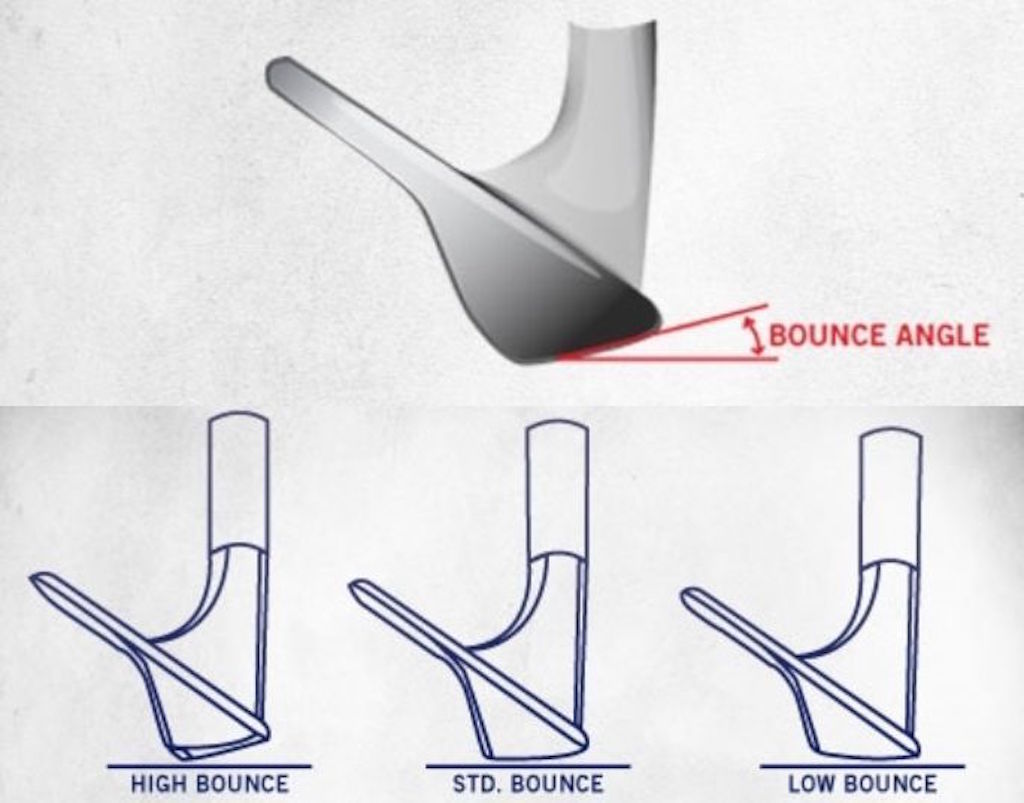
Although I could pen a 2,000-word essay on the subject of “what is bounce,” that’s not the goal here. Instead, let’s paint a simple picture.
You are a new golfer looking to buy your first sand wedge because your buddy told you it was necessary. You enter your local shop and start looking at racks of wedges with numbers and letters. Loft? That’s simple enough. But what’s this other number—this “bounce” thing?
What is bounce?
When I explain it to new players, I use Bob Vokey’s “rudder” analogy. For soft sand, you need a bigger rudder (more bounce/wider sole) to move the sound out of the way. On firmer sand, you need a smaller rudder (less bounce/narrow sole) to keep the leading edge under the ball.
Basically, more bounce equals leading edge sits higher off the ground, less bounce means leading sits lower to the ground. Yes, there are exceptions to every rule, but this is for beginners so let’s keep it easy.
This is a VERY simple picture for those that are visual learners

Vokey’s Aaron Dill had this to say:
“Bounce is a combination of sole angles and shape that create forgiveness and versatility for all golfers.”
In simple terms, every golfer fits into a unique profile based on how they deliver the club at impact. Players that are steep tend to need a wedge with more bounce, shallow/sweepy/pickers prefer less bounce.
By the numbers: This is general, OEMs all have their own parameters for Low/Std/High but this will give you an idea
Low Bounce = 4-9 degrees

Std/High Bounce= 10-14 degrees

So when you are buying your first wedge (yes, just one, to begin with, a 56 degree), ask some questions, try some different options and if at all possible, more than any club in your bag, get to know that wedge like the back of your hand. As a new golfer, it will be the first club that will actually help your score.


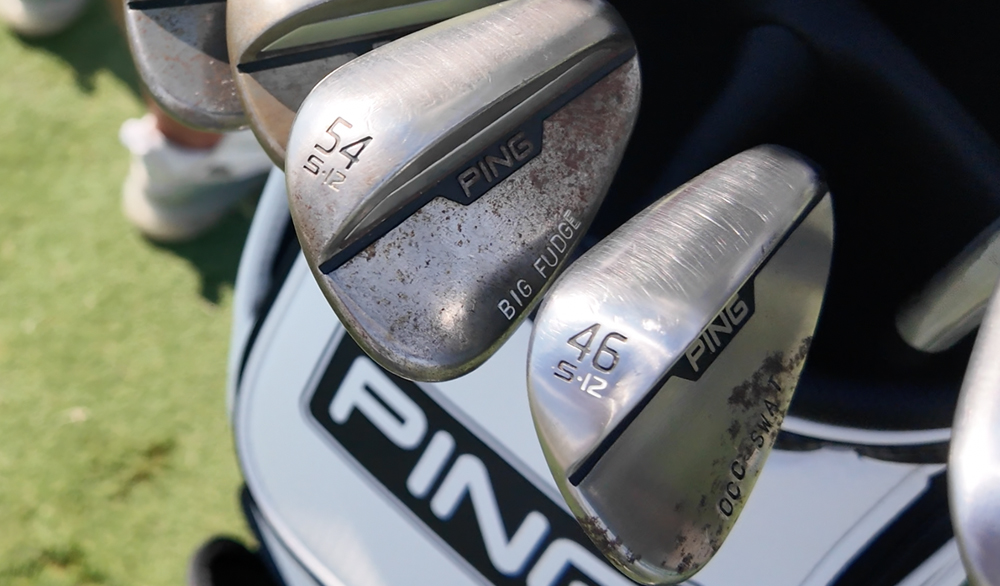
Neal Shipley was the first to admit that he enjoyed his food while in college. But since his days at Ohio State, he’s slimmed down and earned a PGA Tour Card.
That hasn’t stopped him from having fun with his wedge stampings, though it’s led to some misunderstandings.
On the 54 (degree), we have ‘Big Fudge,'” Shipley told GolfWRX. “It was supposed to be ‘Big Fridge,’ so this happened a little while ago. ‘Big Fridge’ was a nickname between my college teammates and I, with ‘fridge’ meaning stomach, a big stomach.
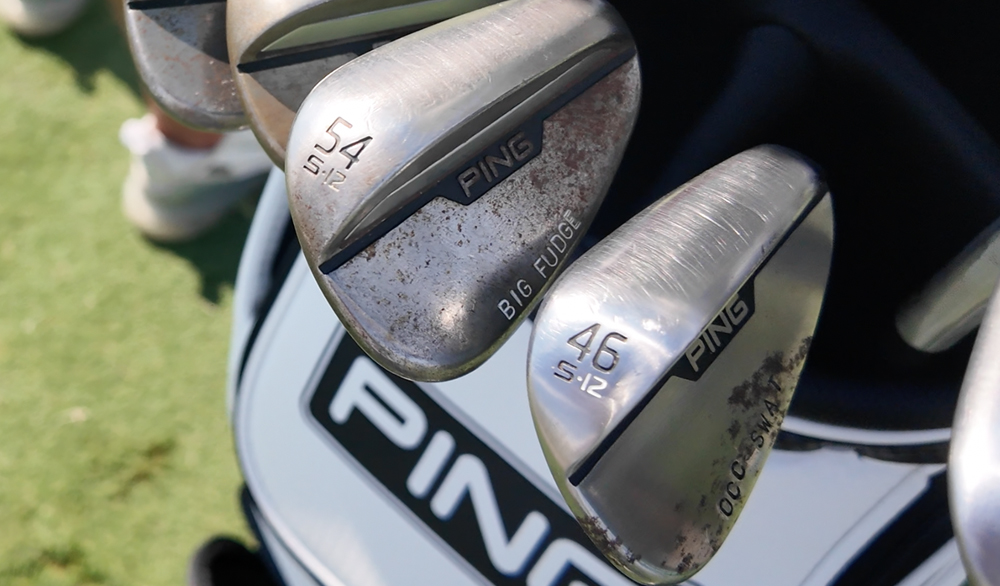
“We told the Ping guys to put … ‘Big Fridge’ on it, and I think maybe some bad cell service or something, and they thought I said ‘fudge,’ so they put fudge on it.”
On Shipley’s 50-degree he also continues the food theme, this time with his go-to order at the “Golden Arches,” and his stamping “DONS 7.”
“The number 7 meal, the two cheeseburger meal, that was my McDonald’s order, back when I would have McDonald’s frequently,” Shipley shared.

At GolfWRX, we are a community of like-minded individuals who all experience and express our enjoyment of the game in many ways.
It’s that sense of community that drives day-to-day interactions in the forums on topics that range from best driver to what marker you use to mark your ball. It even allows us to share another thing we all love – buying and selling equipment.
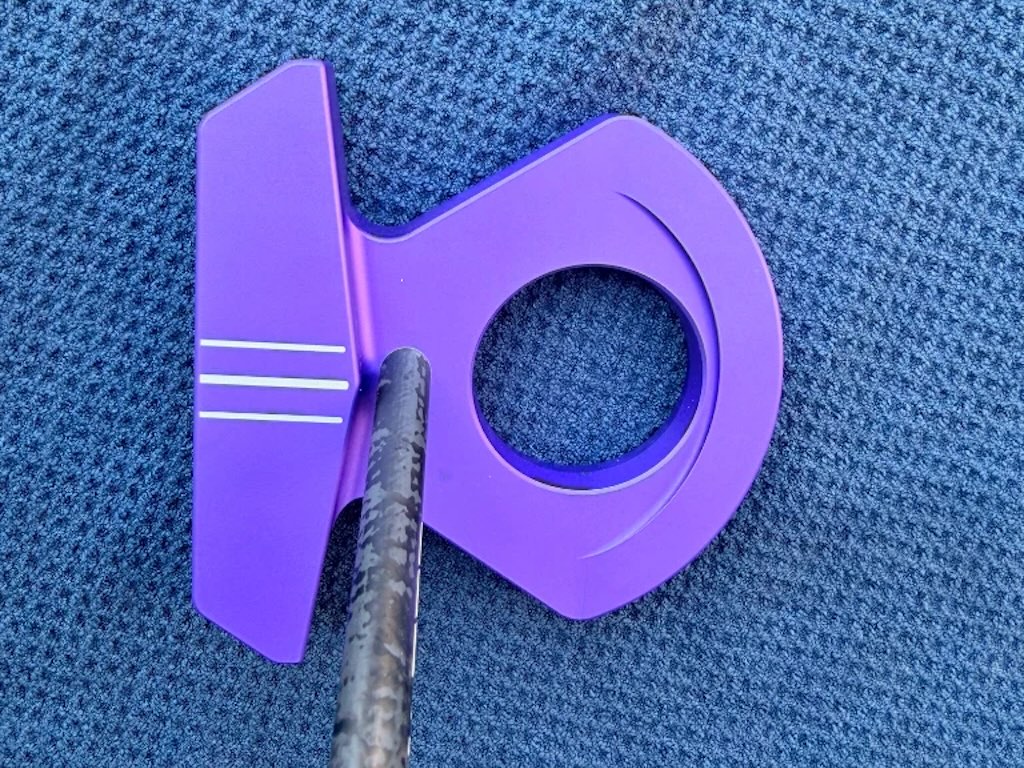
Currently, in our GolfWRX buy/sell/trade (BST) forum, @raw10628 has a L.A.B. DF3 putter and Masters putter cover up for grabs.
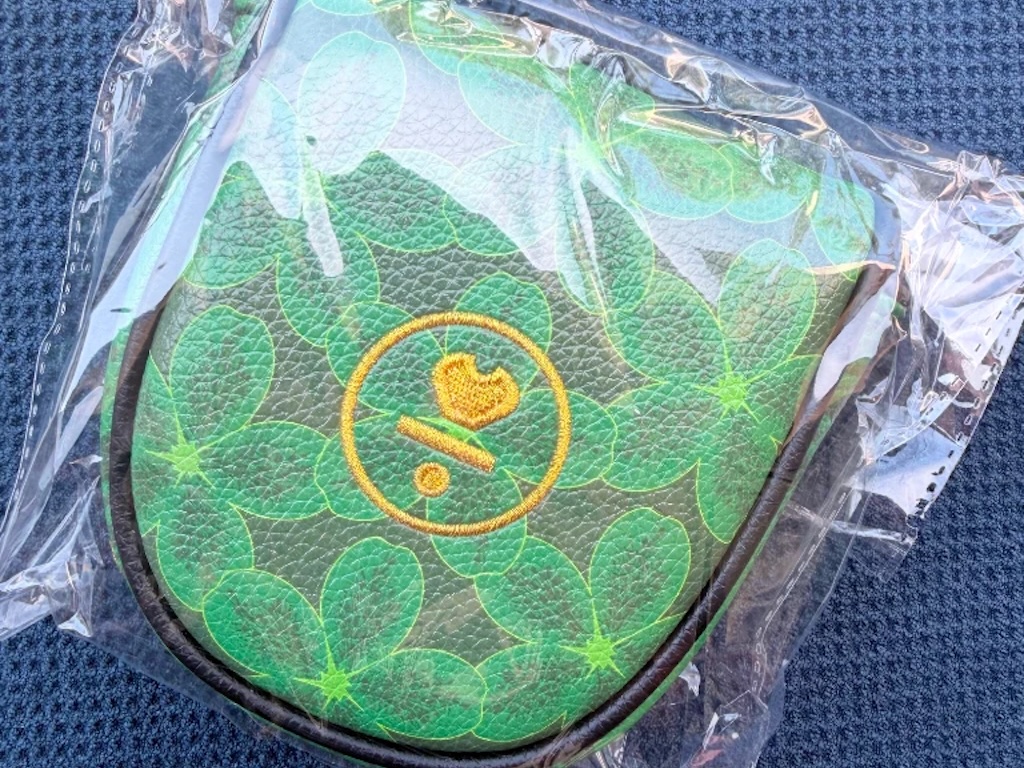
From the listing: “Some great items here today, time to thin out and make room for next set of gear. All prices include shipping.
LAB DF3 Purple 33.5” 68° lie with TPT – $725. LAB Masters release DF3 cover – $150.”
To check out the full listing in our BST forum, head through the link. If you are curious about the rules to participate in the BST Forum, you can learn more here: GolfWRX BST Rules

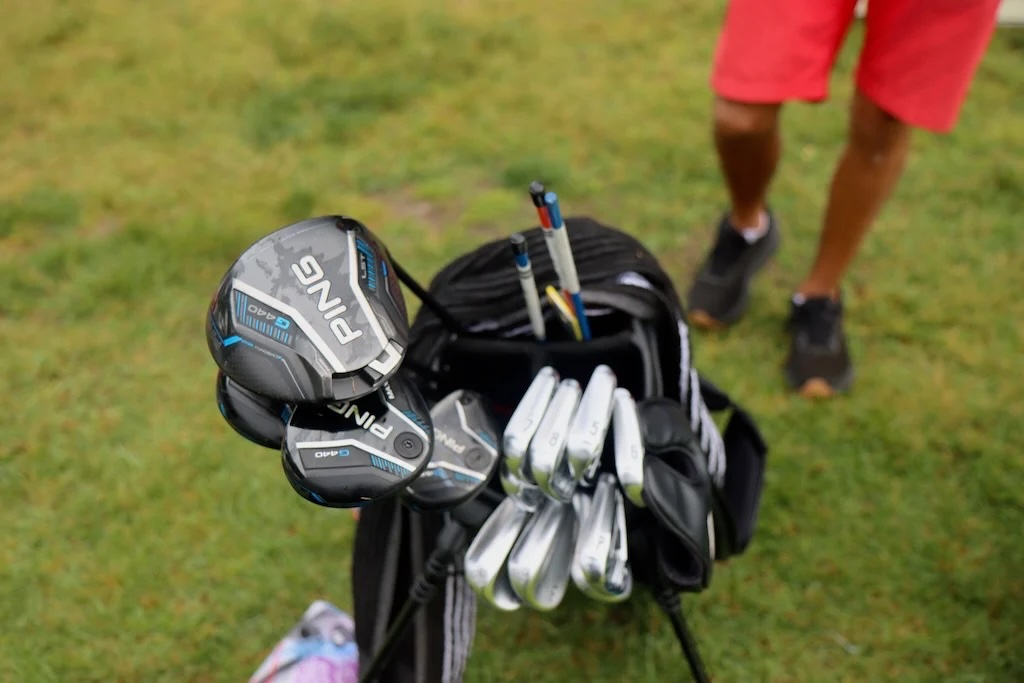
Driver: Ping G440 LST (9 degrees)
Shaft: Accra TourZ Green 5-M4
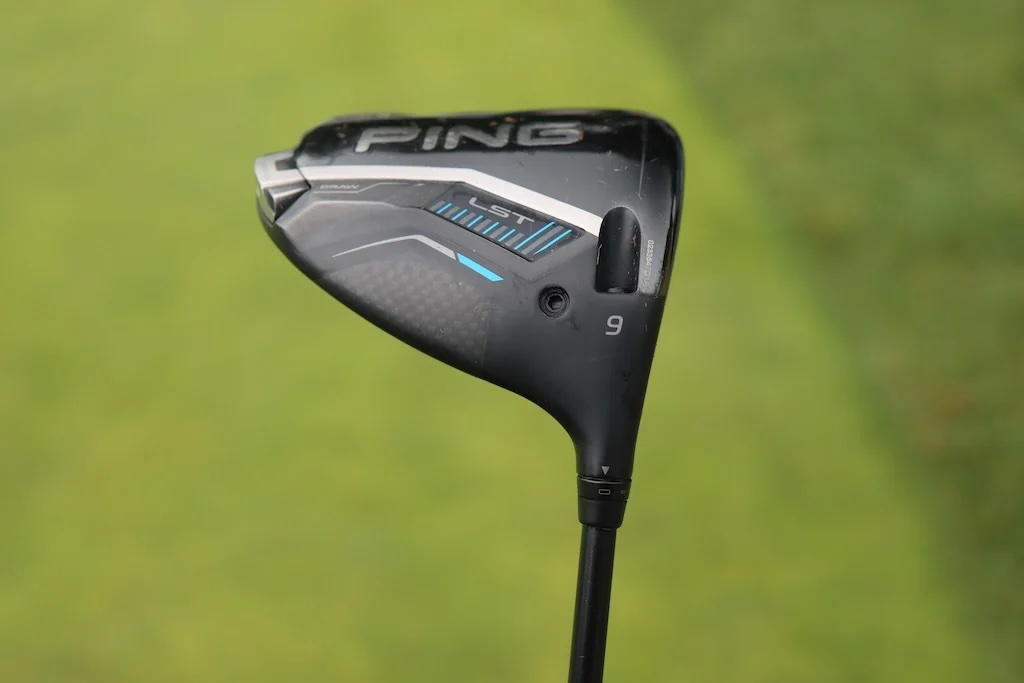
3-wood: Ping G440 Max (15 degrees)
Shaft: Accra TourZ Green 6-M4
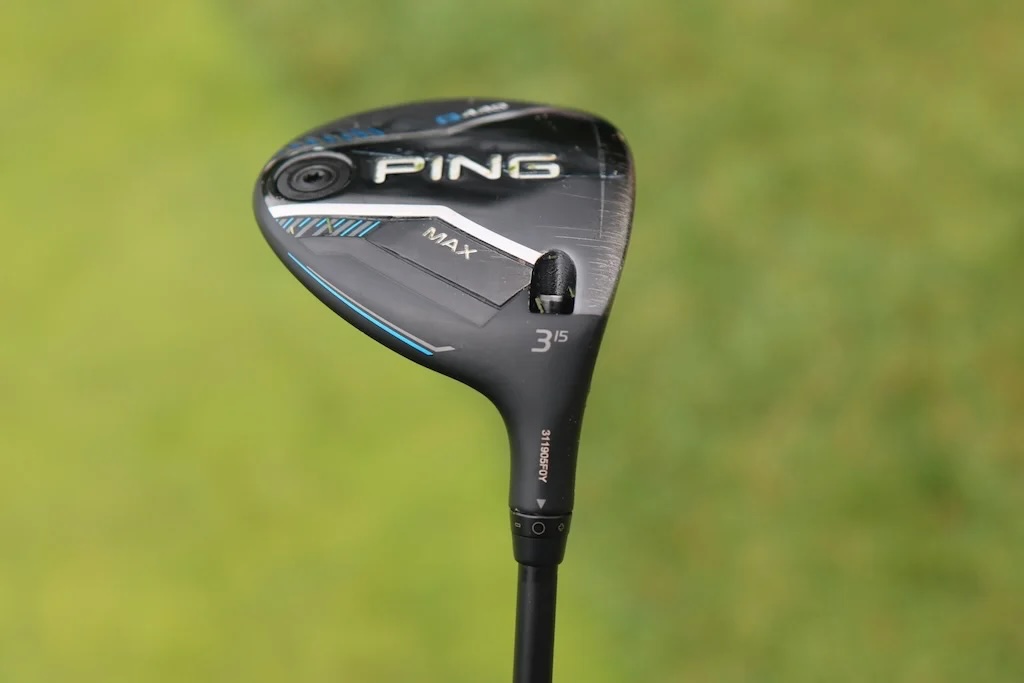
5-wood: Ping G440 Max (19 degrees @18)
Shaft: Accra TourZ Green 6-M4
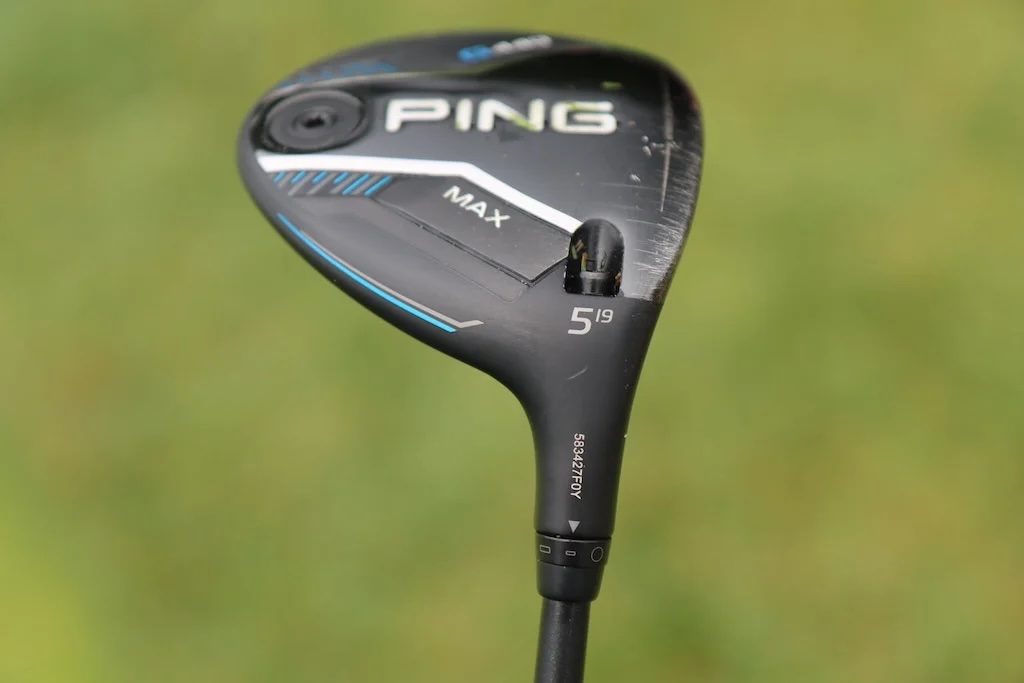
Hybrid: Ping G440 (23 degrees)
Shaft: Oban Isawa Red Hybrid Shaft 04 Flex 70 Gms
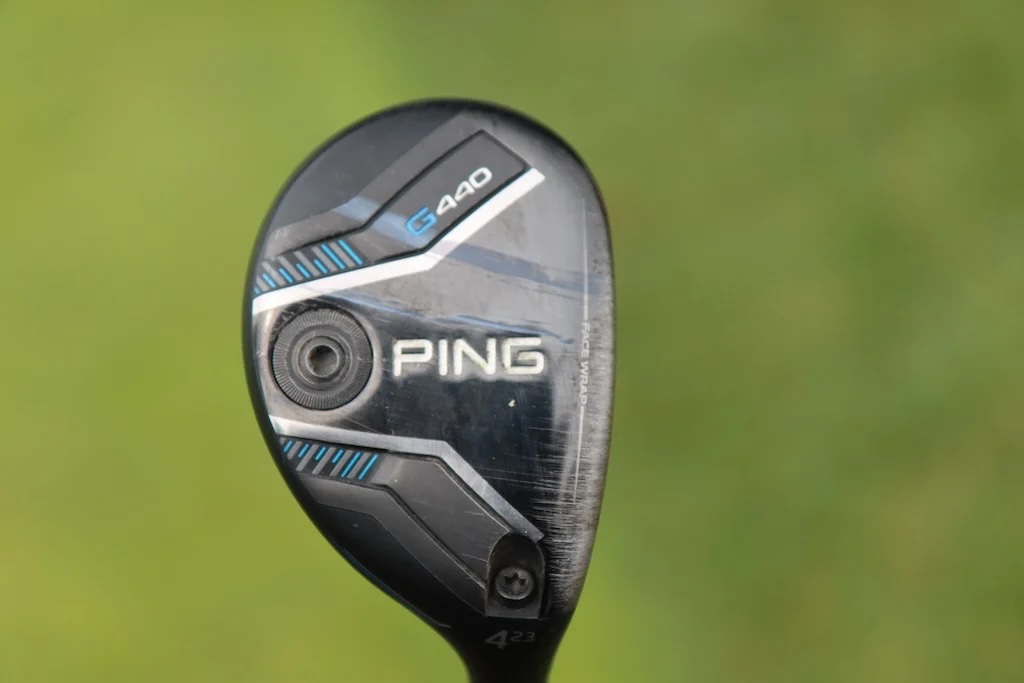
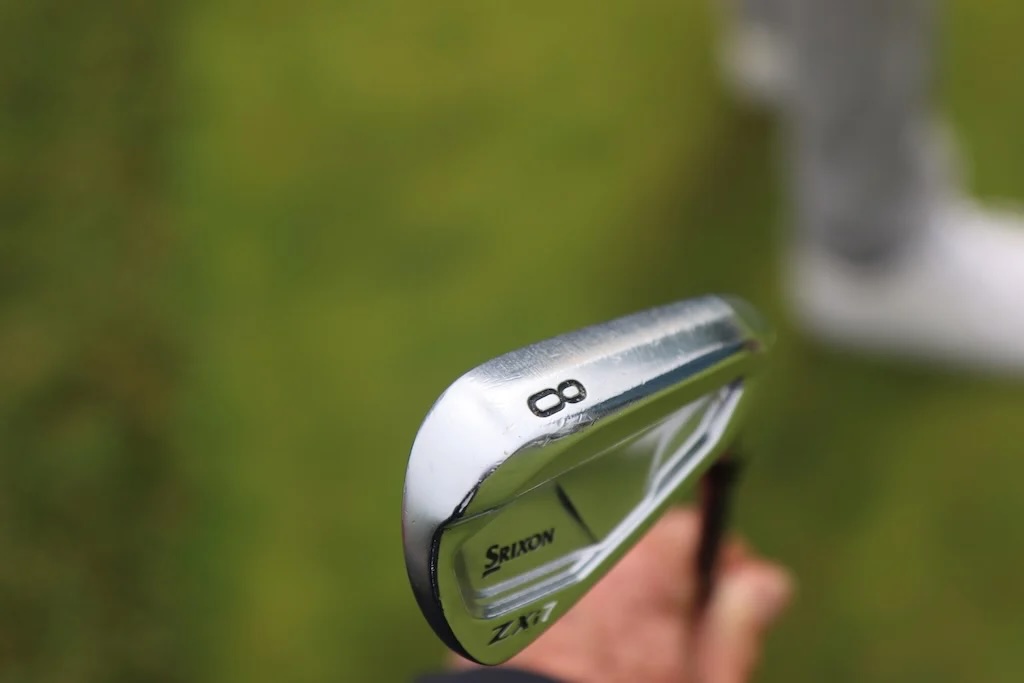
Irons: Srixon ZXi7 (5-P)
Shafts: Aerotech SteelFiber Private Reserve i80
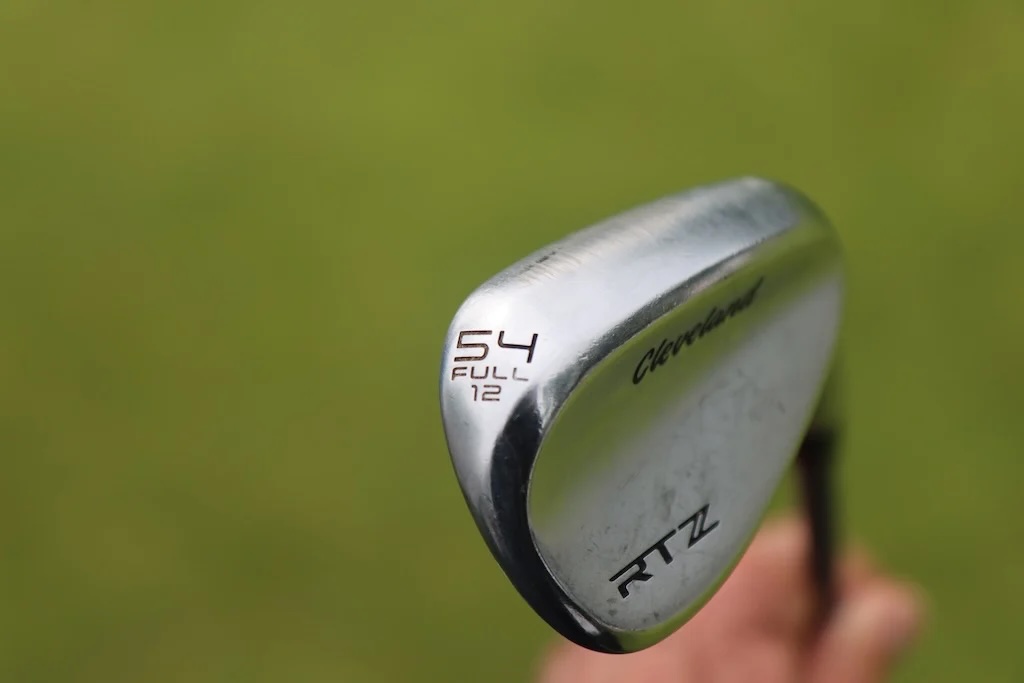
Wedges: Cleveland RTZ (50-MID, 54-FULL, 58-MID)
Shafts: Aerotech SteelFiber Private Reserve i105
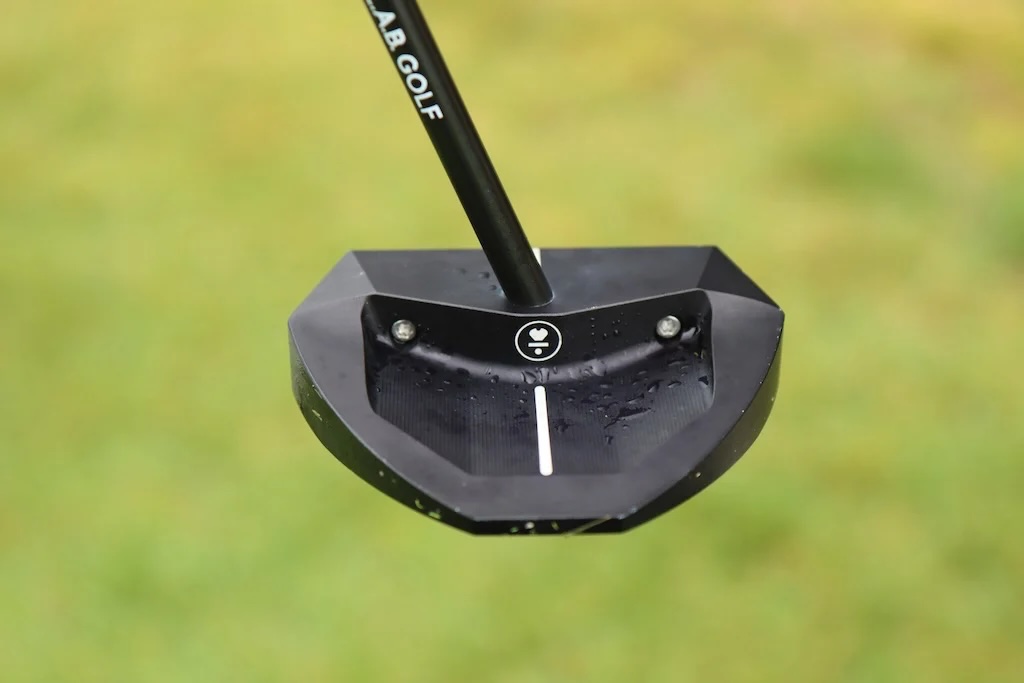
Putter: L.A.B. Golf OZ.1i
Shaft: ACCRA Putter Shaft
Grips: Golf Pride Tour Velvet

Aaron Rai’s winning WITB: 2026 PGA Championship

Russell Henley’s winning WITB: 2026 Charles Schwab Challenge

Photos from the 2026 CJ Cup Byron Nelson

CJ Cup Byron Nelson Tour Report: Koepka and Kim’s newest putters finally get hot

Charles Schwab Challenge Tour Report: MacIntyre, Åberg and Spaun all switch putters, TaylorMade launches new Spider

Details on J.J. Spaun’s surprise putter switch

GolfWRX Launch Report: 2026 Titleist GTS drivers

Photos from the 2026 Charles Schwab Challenge

PGA Championship Tour Report: Fitzpatrick, Koepka among big-name putter switches for Aronimink

Photos from the ShopRite LPGA

Maria Torres WITB 2026 (June)
Driver: Ping G440 LST (9 degrees) Shaft: Accra TourZ Green 5-M4 3-wood: Ping G440 Max (15 degrees) Shaft: Accra TourZ Green 6-M4 5-wood: Ping G440...


Eric Cole WITB 2026 (June)
Driver: PXG Lightning Tour Max (9 degrees) Shaft: Project X Titan Yellow 70 TX 3-wood: TaylorMade Qi4D (15 degrees) Shaft:...


Si Woo Kim WITB 2026 (May)
Driver: Callaway Quantum Triple Diamond (8.5 degrees) Shaft: Fujikura Ventus Black 6 X Mini driver: Callaway Paradym Ai Smoke Mini...


Wyndham Clark’s winning WITB: 2026 CJ Cup Byron Nelson
Driver: TaylorMade Qi4D (10.5 degrees) Shaft: Project X Titan Yellow 60 TX 3-wood: TaylorMade Qi4D Tour (15 degrees) Shaft: Project...


Jack Wullkotte
Sep 9, 2020 at 11:03 am
As far as I know, Toney Penna was the first club designer to incorporate bounce in designing iron heads. I believe it was in 1950. Prior to that, most irons had zero or minus bounce and laid wide open with extremely sharp leading edges. Toney also attempted to put 4 way roll on iron heads, but that never materialized. Just a little trivia from a 90 year old man who began working for the MacGregor Golf Co. in 1947.
Ted Noel
Sep 9, 2020 at 11:02 am
This article is pablum. Bounce is not bounce is not bounce. Take the low bounce wedge and extend it further aft. You will get leading edge rise the same as a high bounce wedge. Thus, the key feature is leading edge rise. You can get it different ways, but your technique will determine how much leading edge rise you need. Further, leading edge shape will affect your shots. A sharp edge is less forgiving, while a more rounded edge will let you get away with some shots.
We need to define wedges by 1) leading edge rise 2) leading edge profile 3) sole grind (for versatility). Bounce angle is worthless.
Gebby
Sep 10, 2020 at 7:32 am
Potato -cpotahto, tomato – tomahto
Jack Nash
Sep 9, 2020 at 10:39 am
Important to consider bounce when chipping “against” the grain also. Lower bounce digs in more. Good article and explanation.
Jim
Sep 9, 2020 at 10:22 am
I like the skid plate vs shovel analogy. Bounce is your friend For the average guy.