
Equipment
TrackMan 4 vs. GCQuad: Full tech breakdown (plus Justin Rose explains why he uses both)

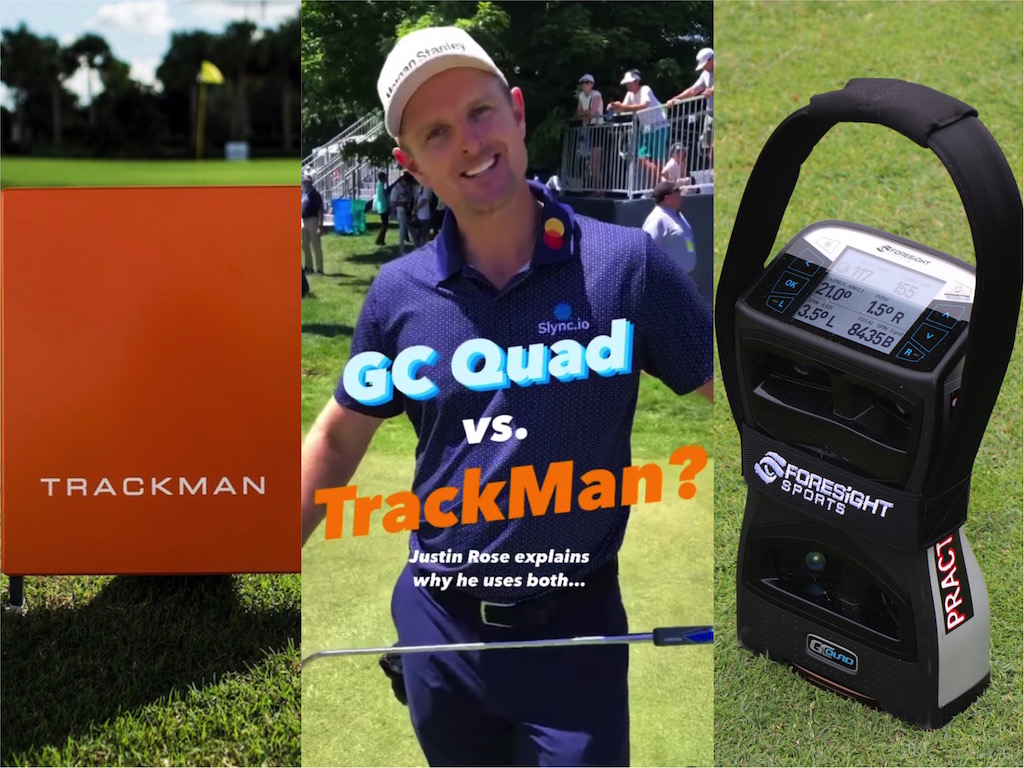
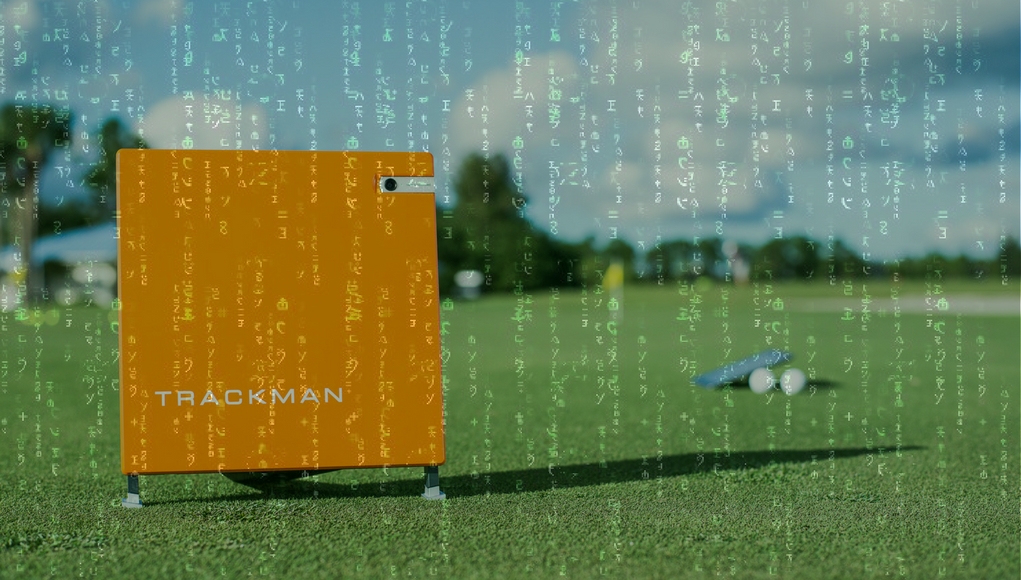
If you walk up and down the range at a PGA Tour event, you’ll notice that nearly every player has a portable launch monitor setup at their practice station. They either have one behind their hitting station, pointing directly down the target line (TrackMan), or in front of them, facing perpendicular to the target line (Foresight Sports GCQuad).
(It should be noted that some players use FlightScope, Full Swing, or another launch monitor system, but for the purposes of this article, we’ll be focusing on TrackMan and GCQuad)
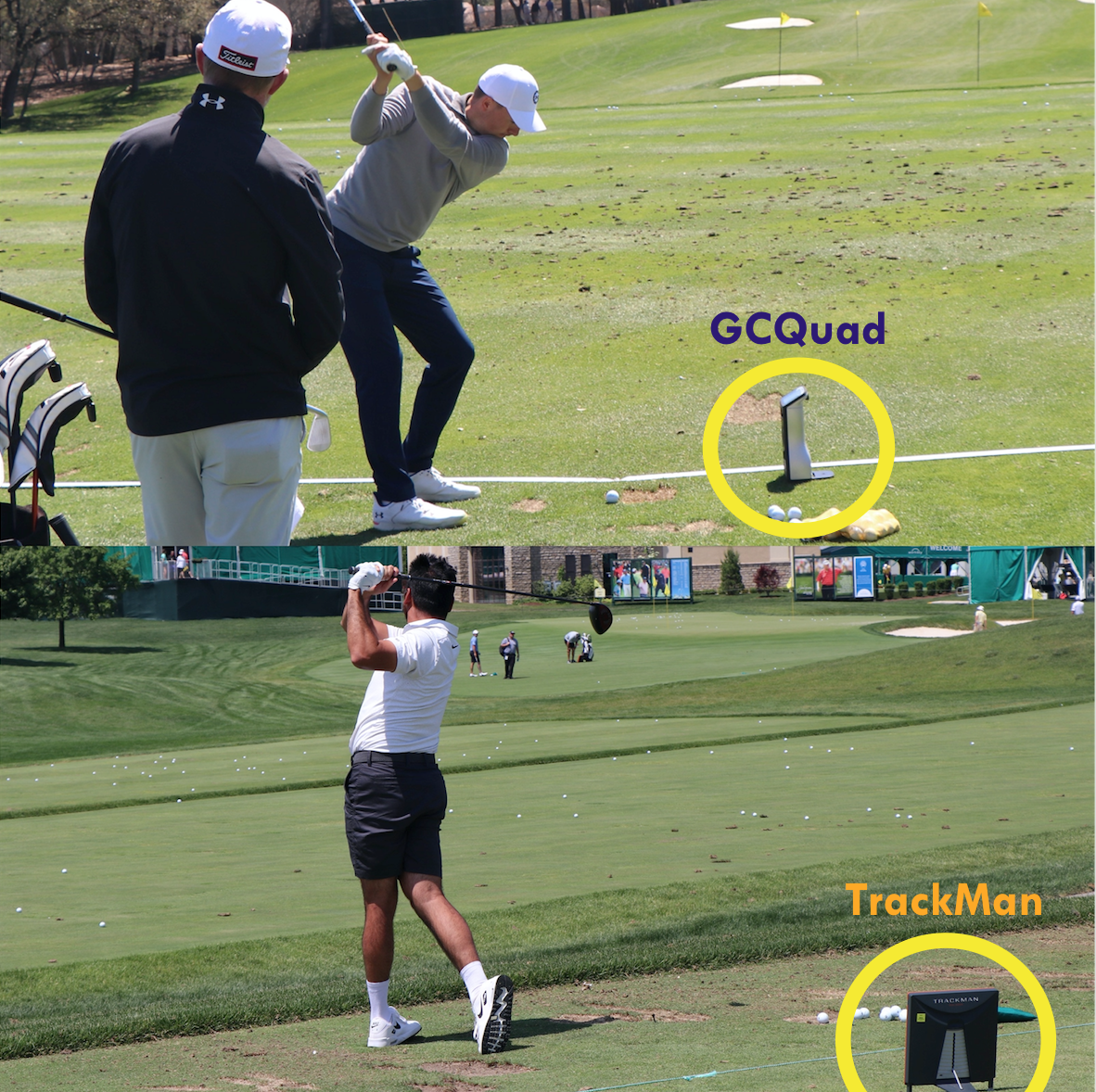
Jordan Spieth (top) was using a Foresight Sports GCQuad at the 2022 WGC-Dell Technologies Match Play, while Jason Day was using a TrackMan 4 during a testing session at the 2022 Memorial Tournament presented by Workday.
Sometimes, a player will actually have both TrackMan and GCQuad launch monitors functioning simultaneously. Justin Rose is one of the players who uses both.
Earlier this year, at the 2022 U.S. Open, I asked Rose why he uses both launch monitor systems at the same time, because, wouldn’t that be a bit redundant?
Before getting into his answer, I wanted to provide an overview of the differences between the TrackMan 4 and Foresight Sports GCQuad systems, and what they measure. The science and engineering behind these systems can get extremely complicated if you get too deep in the weeds, but let’s try to make this as simple as possible.
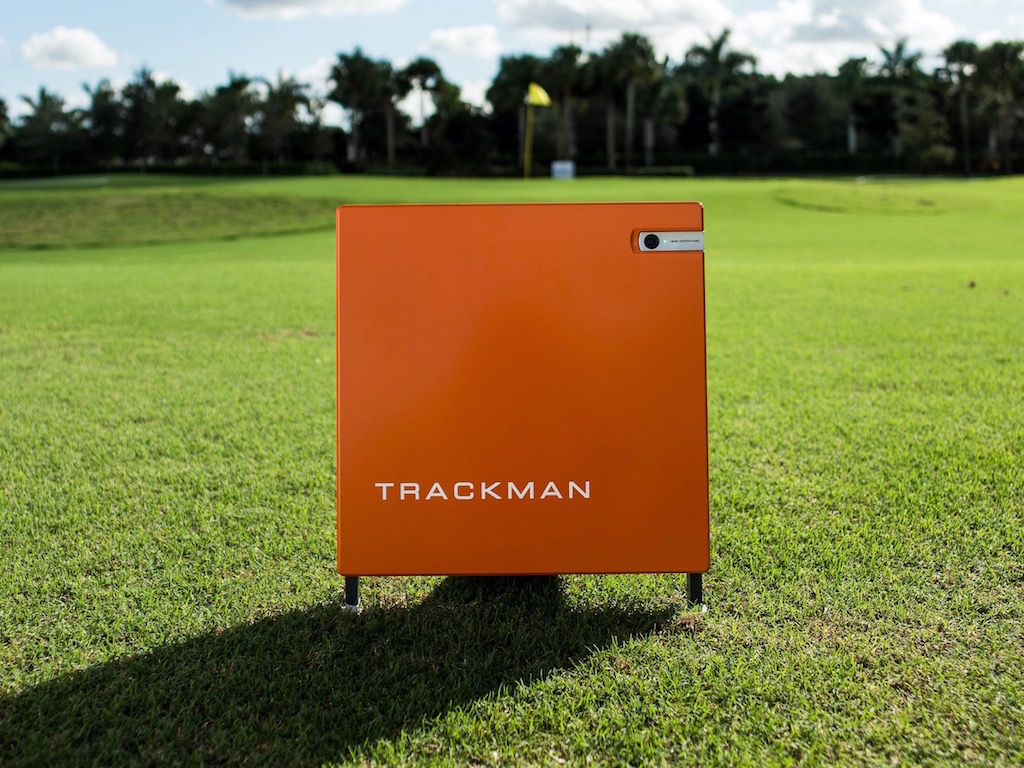
The TrackMan 4 unit ($21,495) – which is the unit that most TrackMan users on Tour currently use – tracks the full trajectory of the golf ball using a dual-radar system combined with OERT (Optically Enhanced Radar Tracking). According to TrackMan, the “OERT synchronizes an inbuilt full HD video camera with the dual radar system to give you the most accurate analysis possible.” Basically, it combines doppler radar and camera technology to track the golf ball and golf club.

Here’s an example of the data feedback you might see from a TrackMan 4, displayed through a computer screen (photo credit: lukecollinsgolf.com)
It should be noted that TrackMan can run in multiple modes, including unnormalized (unaltered data from the full ball flight), normalized (calculates how a ball would fly without wind, and allows users to adjust for ball type, temperature and elevation), and indoor (hitting into a net). In the unnormalized mode, it measures the full flight of the golf ball, from impact until it hits the ground. In the normalized or indoor modes, TrackMan takes impact and initial launch conditions and determines the remainder of the flight data using calculations.
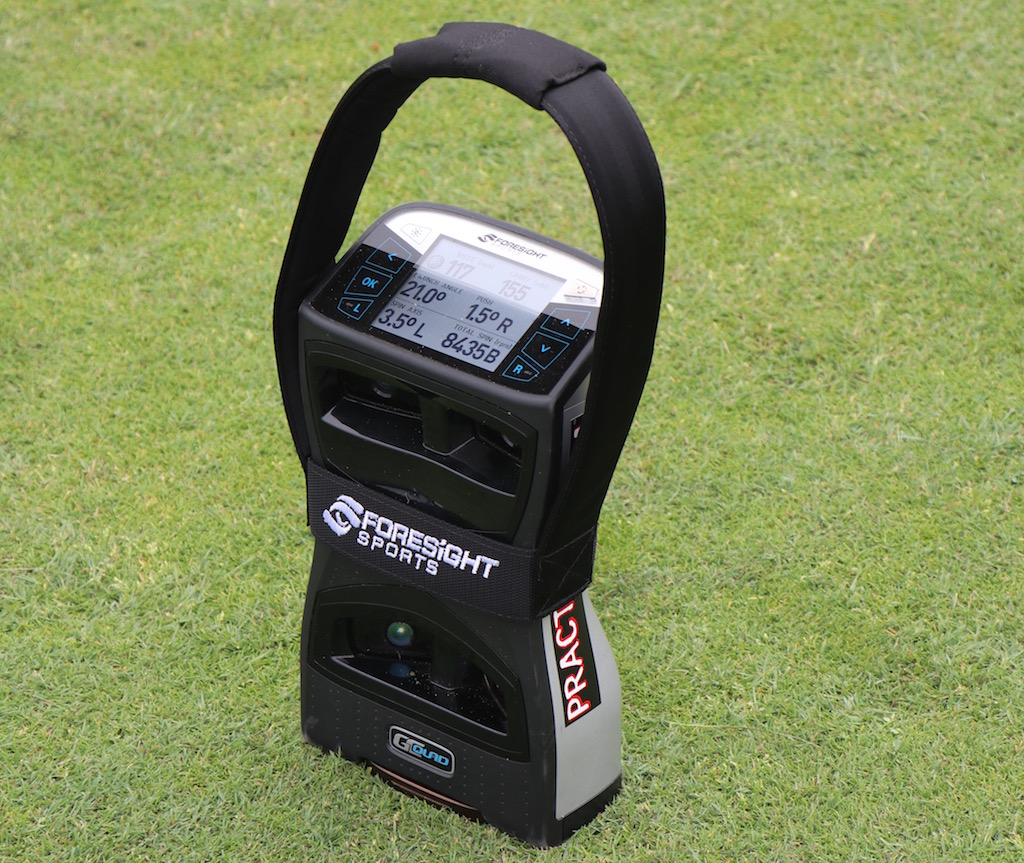
Available in limited qualities to PGA Tour players, Foresight Sports is offering a velcro strap to make the GCQuad easier to carry.
The Foresight Sports GCQuad ($14,500), on the other hand, is Quadrascopic, meaning it uses a 4-camera system. The GCQuad captures data from within the strike zone, and it uses photometric measurements from a side-on angle to measure both golf ball and club data. According to a Foresight Sports representative, “All club delivery and ball launch data is measured, not calculated, or derived from other data parameters.”
Basically, the GCQuad system takes the measurements of the launch conditions and club positions at impact using its custom camera lenses, then determines the remainder of the ball flight metrics using calculations. The GCQuad also makes adjustments to carry distance based on atmospheric pressure, temperature and elevation using a built-in thermometer/barometric altitude sensor, and users can customize altitude.
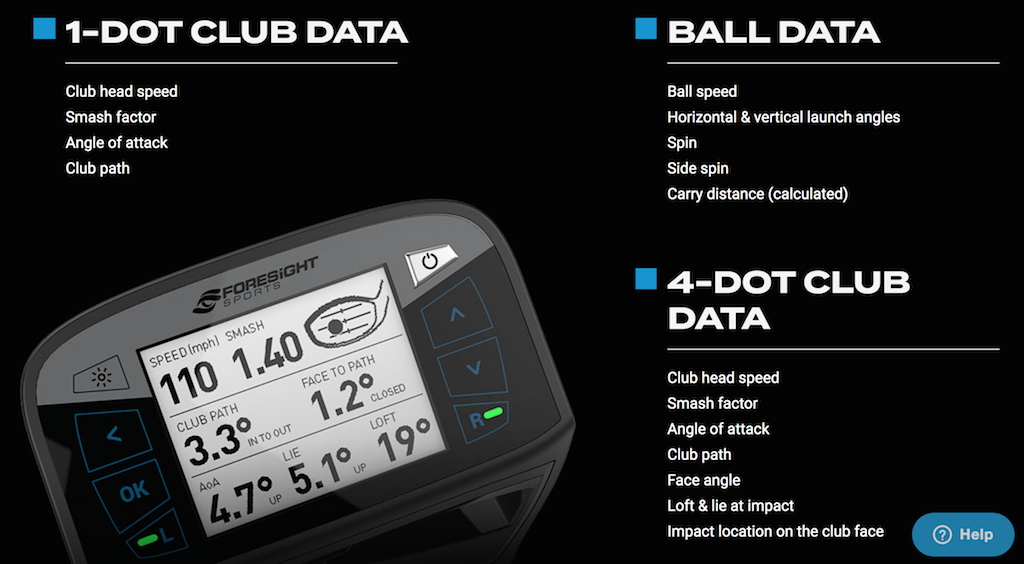
The GCQuad also has different modes, depending on how many reflective dots you place on the face of the golf club. The graphic below, which is a screenshot from ForesightSports.com, highlights the differences of those modes.
In the real world setting at PGA Tour driving ranges, there’s a few pros and cons to using one system versus the other.
When using a TrackMan, players set up the unit behind the golf ball, and the system displays data feedback on a separate smart device (a tablet, cell phone, or laptop). There are no reflective dots necessary to gauge extensive club data. The GCQuad, on the other hand, gets placed on a side-on angle to the golf ball (a.k.a., facing the player at address) and displays golf ball data directly onto the screen of the unit. For more extensive club data when using the GCQuad, reflective dots must be used, but remember, they are illegal during competition to leave on the face, so players must remember to remove them before play.
There are a few other points of note to consider between the two launch monitors:
1) TrackMan measures club impact parameters by identifying the geometrical center point of the the club head using radar, whereas GCQuad measures the front of the face from a side-on angle using cameras.
2) TrackMan derives spin axis using calculations based on either initial flight (the first 30 yards of flight in outdoor mode), or spin loft and face-to-path ratio (indoor mode), whereas the GCQuad measures the rotation of the golf ball as it launches.
3) TrackMan reports that its dual-radar system captures data at 40,000 frames per second, whereas GCQuad reports that it captures around 10,000 frames per second.
4) TrackMan has performance tools such as the TrackMan Combine – which is a test of strengths and weaknesses – and Test Center 2.0.
All things considered, in a practical sense, since the TrackMan requires multiple devices to see real-time feedback on a shot, the GCQuad is a bit more portable and offers the player immediate ball data just by looking at the unit’s screen. While the TrackMan can be used on the course – and plenty of PGA Tour players do take TrackMan units around with them during a practice round – the GCQuad sees more use on shots hit during practice rounds on the course. TrackMan, however, provides more data points in terms of club data without a barrier to entry of using reflective dots.
As mentioned before, there are pros and cons to each system.
Of course, accuracy is of upmost importance to both players and their coaches, but that’s for them to determine which one is best for their purposes.
Here’s a cool point of note when using both systems simultaneously: players can actually identify the effect of wind on distance in a given environment. Using a TrackMan in the unnormalized mode (where it tracks the full ball flight), combined with a GCQuad (which factors in temperature, air density, and elevation, but not wind), players can simply take the difference in distance between the TrackMan distance (which accounts for actual flight in the wind), and the GCQuad distance (which doesn’t account for wind). For example, say an unnormalized TrackMan measures the shot at 142 yards, but the GCQuad measures it at 145 yards; the effect of wind on that shot would be 3 yards.
OK, so let’s get out of the weeds and into why Rose decides to use both during his practice sessions.
Justin Rose says…
View this post on Instagram
“I use both out of laziness a little bit,” Rose told GolfWRX ahead of the 2022 U.S. Open. “I think the TrackMan can do…they can both do the job of each other, right? But it just depends how you like to see it. From the players point of view, I like the quick reference point the Quad gives me, and then my coach will love the detail that the TrackMan gives him, whether that be attack angle, where the low point is, dynamic swing plane, that type of stuff, which is telling him how the handle of the club is working through the ball. Versus, I’m just trying to get ball speed, and spin, and distance. Those are the quick things that I’m keying into, and the coach is keying into some of the technical side of the swing.”
To see more equipment interviews with PGA Tour players, head over to our @GolfWRX Instagram page.






Neal Shipley was the first to admit that he enjoyed his food while in college. But since his days at Ohio State, he’s slimmed down and earned a PGA Tour Card.
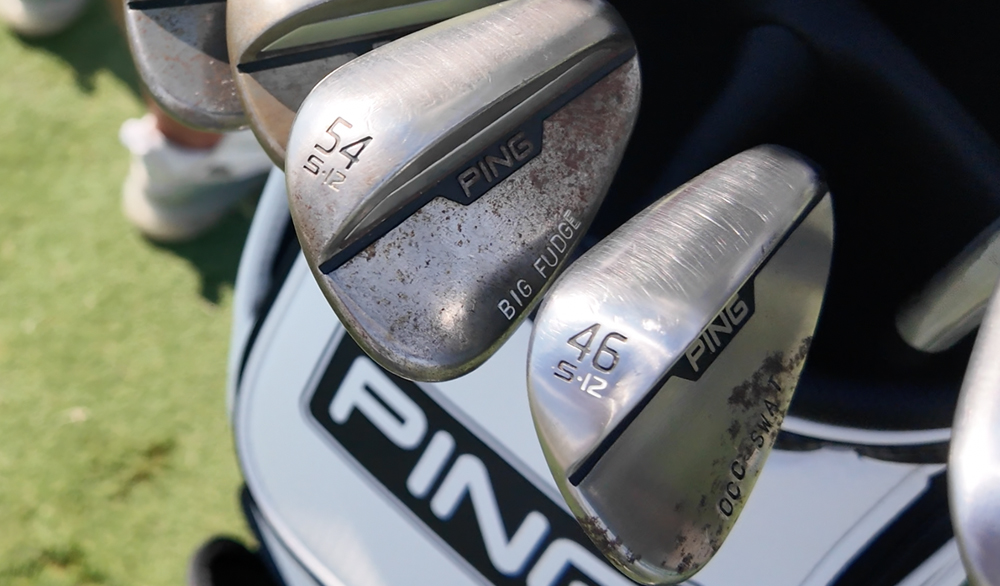
That hasn’t stopped him from having fun with his wedge stampings, though it’s led to some misunderstandings.
On the 54 (degree), we have ‘Big Fudge,'” Shipley told GolfWRX. “It was supposed to be ‘Big Fridge,’ so this happened a little while ago. ‘Big Fridge’ was a nickname between my college teammates and I, with ‘fridge’ meaning stomach, a big stomach.
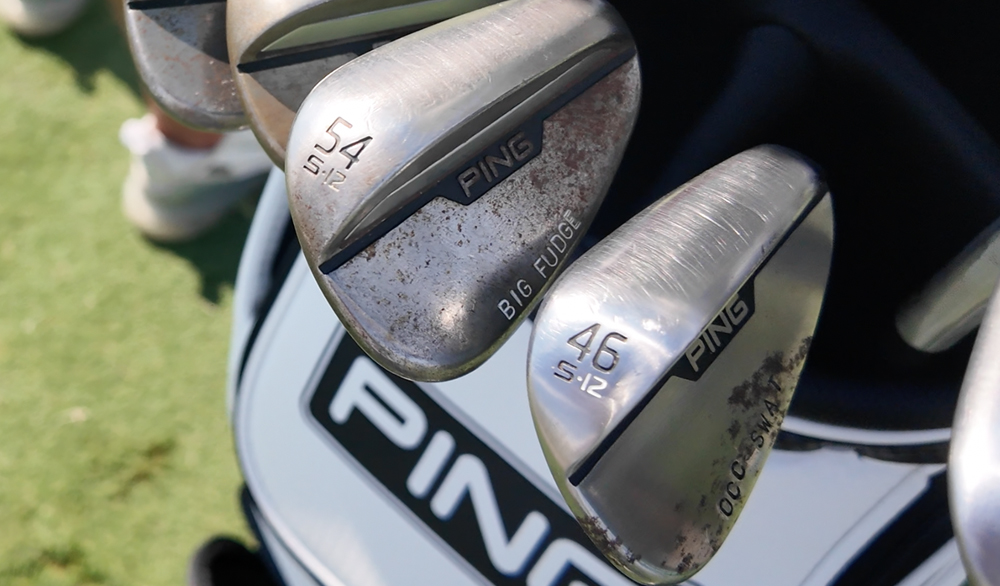
“We told the Ping guys to put … ‘Big Fridge’ on it, and I think maybe some bad cell service or something, and they thought I said ‘fudge,’ so they put fudge on it.”
On Shipley’s 50-degree he also continues the food theme, this time with his go-to order at the “Golden Arches,” and his stamping “DONS 7.”
“The number 7 meal, the two cheeseburger meal, that was my McDonald’s order, back when I would have McDonald’s frequently,” Shipley shared.

At GolfWRX, we are a community of like-minded individuals who all experience and express our enjoyment of the game in many ways.
It’s that sense of community that drives day-to-day interactions in the forums on topics that range from best driver to what marker you use to mark your ball. It even allows us to share another thing we all love – buying and selling equipment.
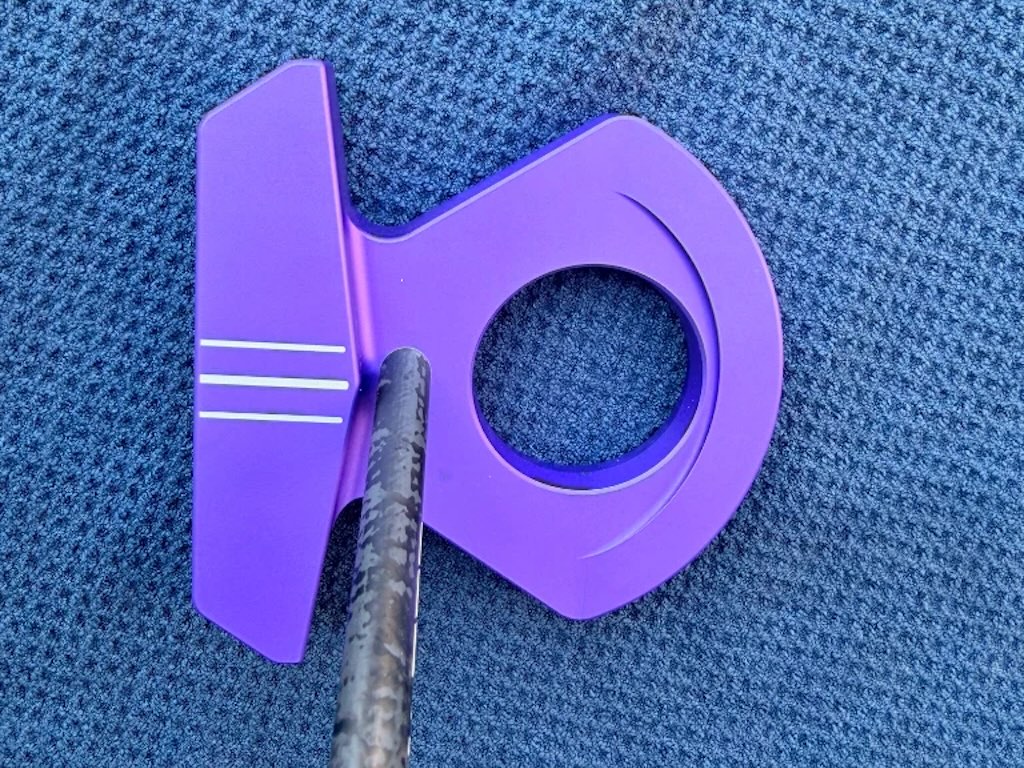
Currently, in our GolfWRX buy/sell/trade (BST) forum, @raw10628 has a L.A.B. DF3 putter and Masters putter cover up for grabs.
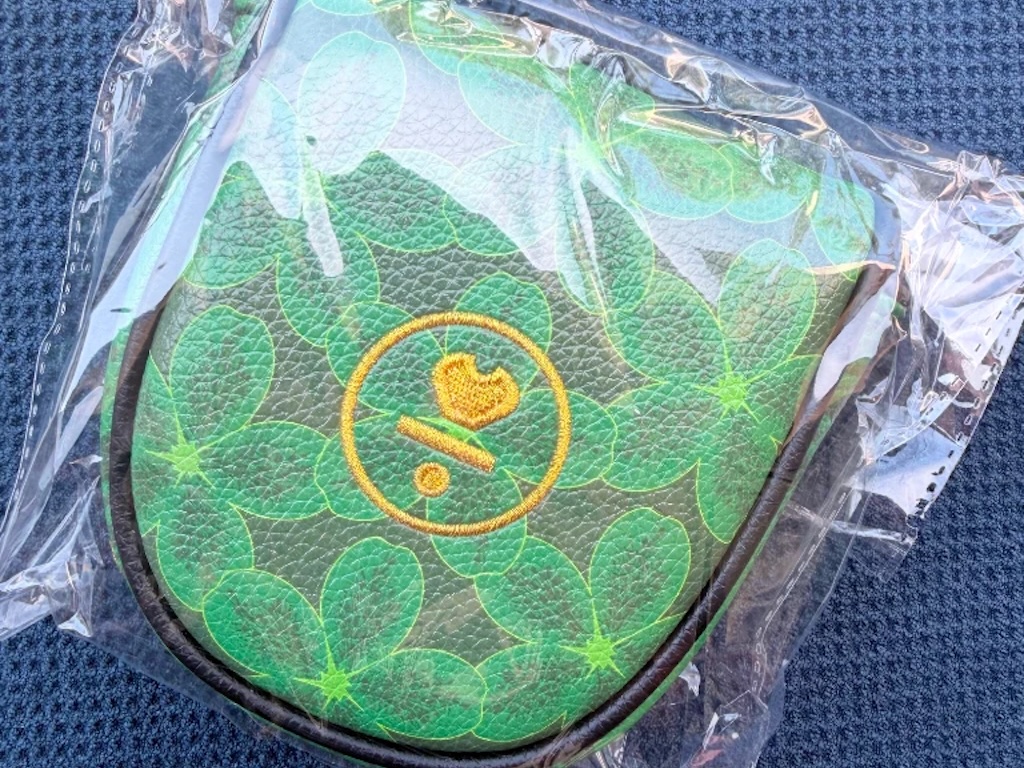
From the listing: “Some great items here today, time to thin out and make room for next set of gear. All prices include shipping.
LAB DF3 Purple 33.5” 68° lie with TPT – $725. LAB Masters release DF3 cover – $150.”
To check out the full listing in our BST forum, head through the link. If you are curious about the rules to participate in the BST Forum, you can learn more here: GolfWRX BST Rules

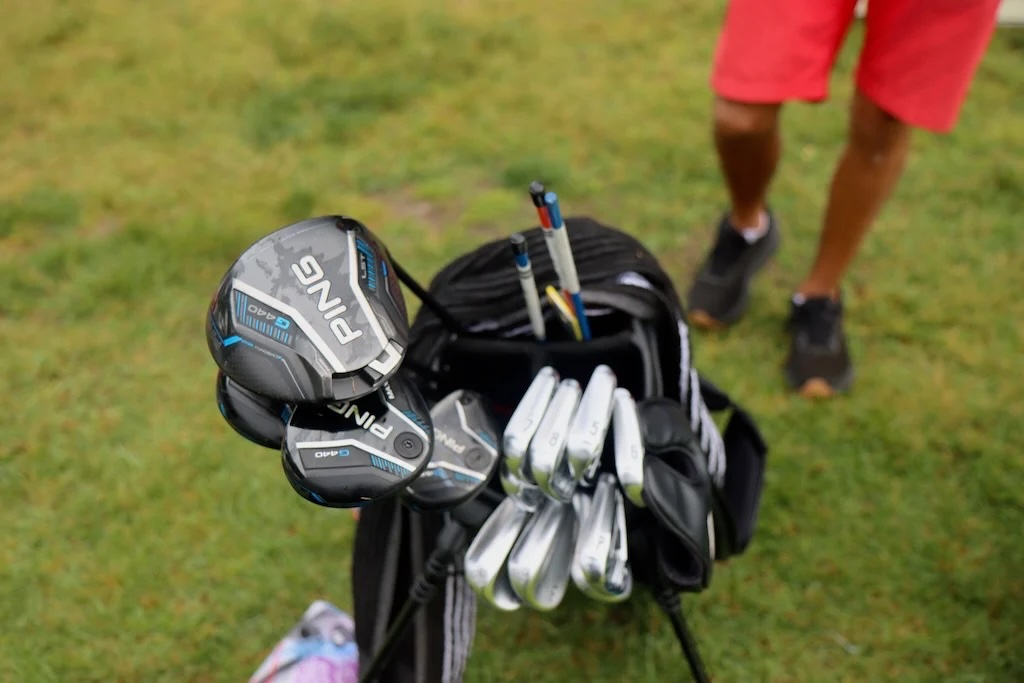
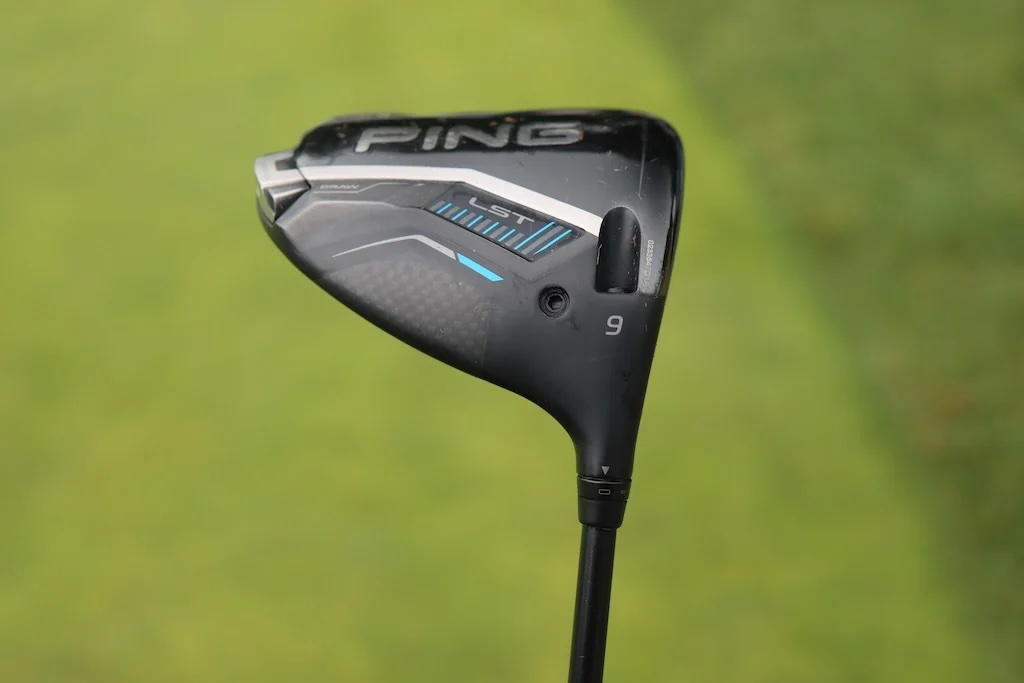
Driver: Ping G440 LST (9 degrees)
Shaft: Accra TourZ Green 5-M4
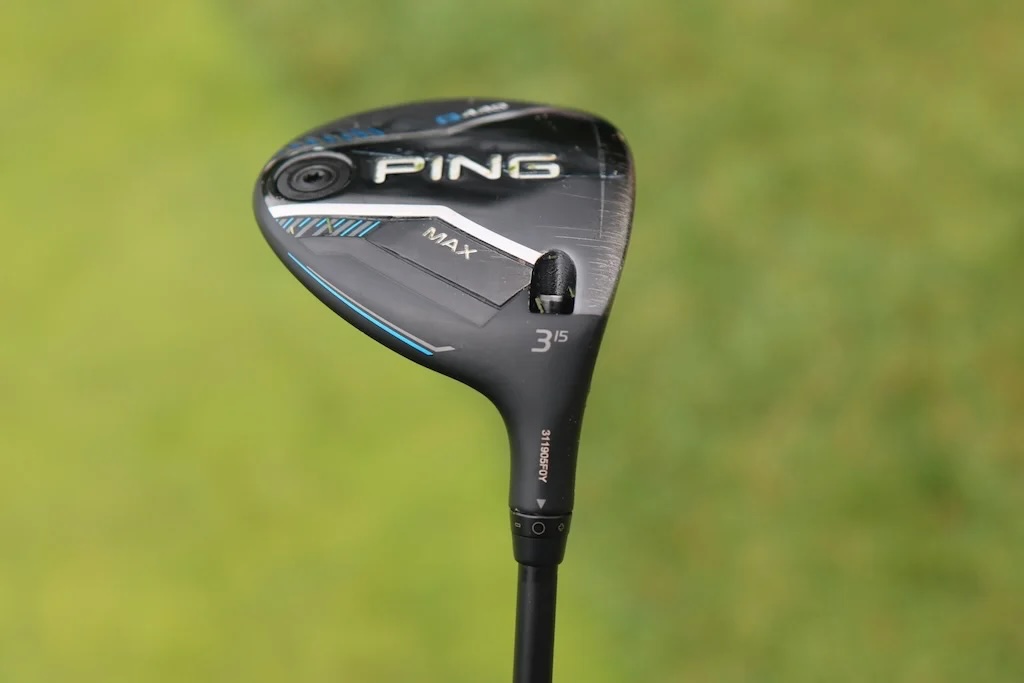
3-wood: Ping G440 Max (15 degrees)
Shaft: Accra TourZ Green 6-M4
5-wood: Ping G440 Max (19 degrees @18)
Shaft: Accra TourZ Green 6-M4
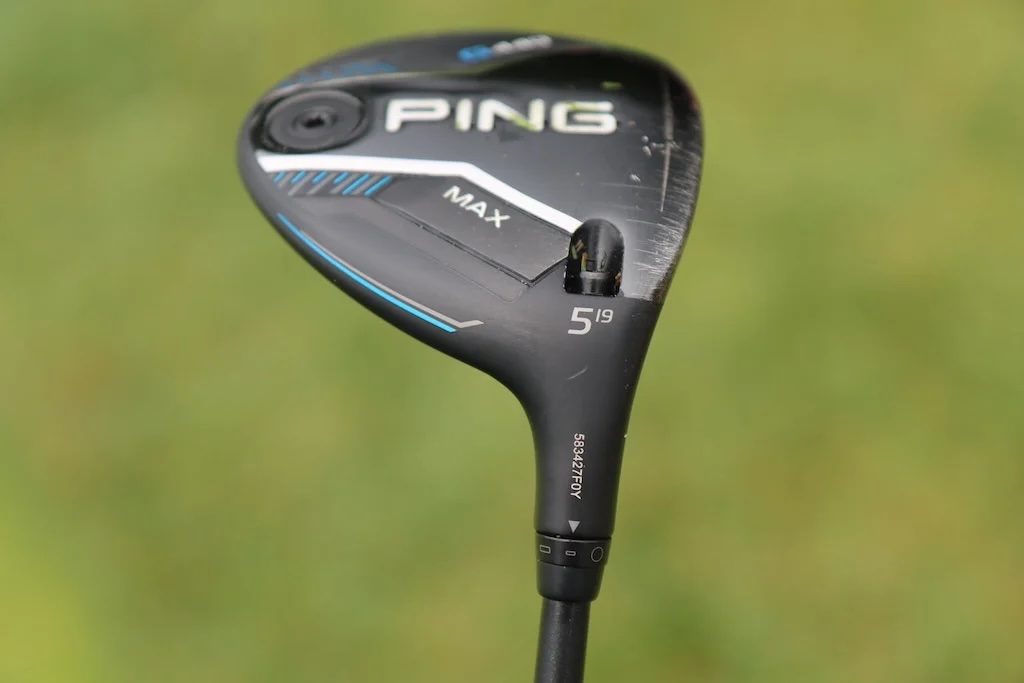
Hybrid: Ping G440 (23 degrees)
Shaft: Oban Isawa Red Hybrid Shaft 04 Flex 70 Gms
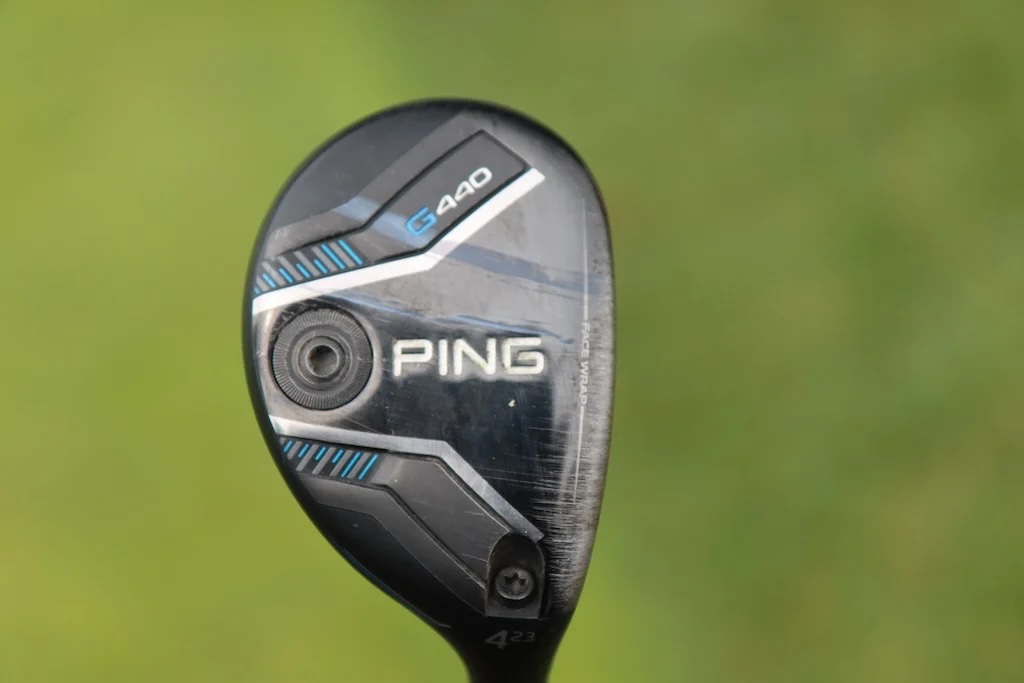
Irons: Srixon ZXi7 (5-P)
Shafts: Aerotech SteelFiber Private Reserve i80
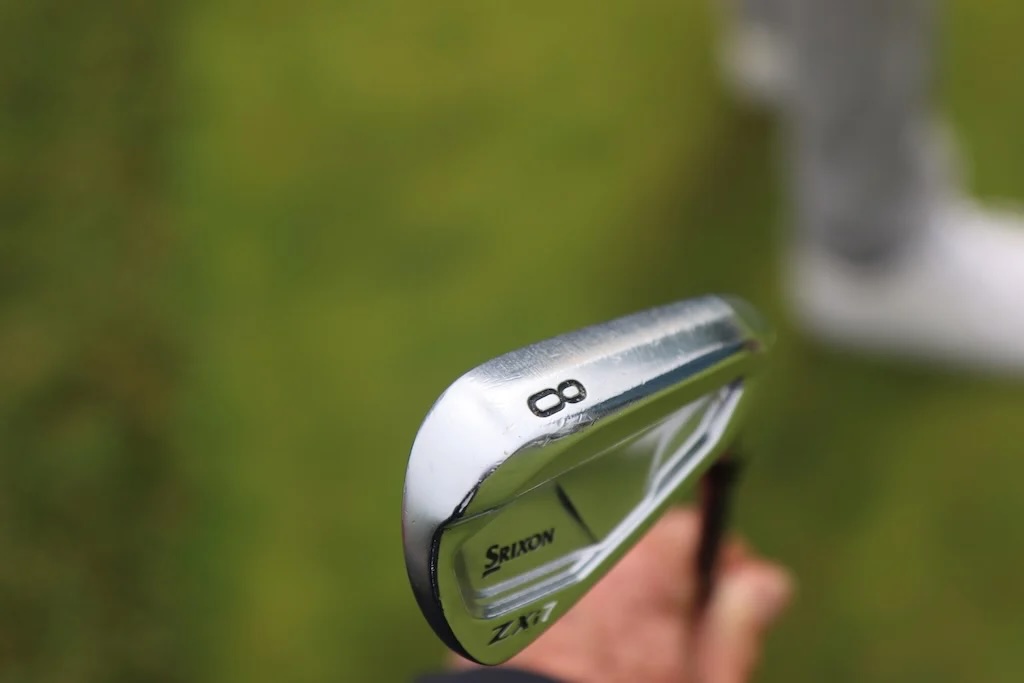
Wedges: Cleveland RTZ (50-MID, 54-FULL, 58-MID)
Shafts: Aerotech SteelFiber Private Reserve i105
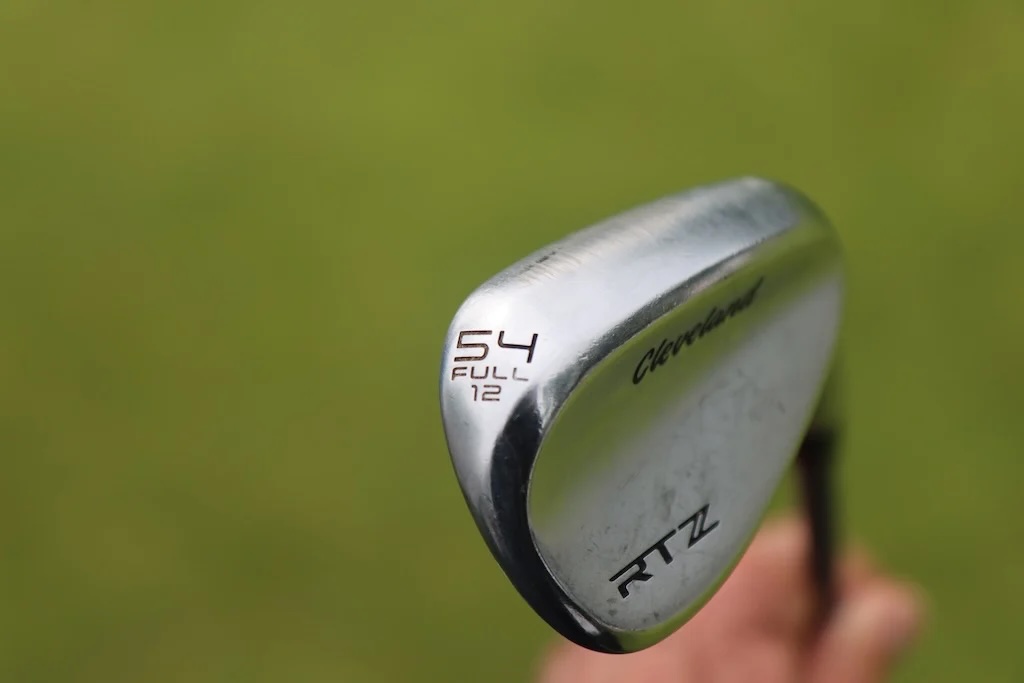
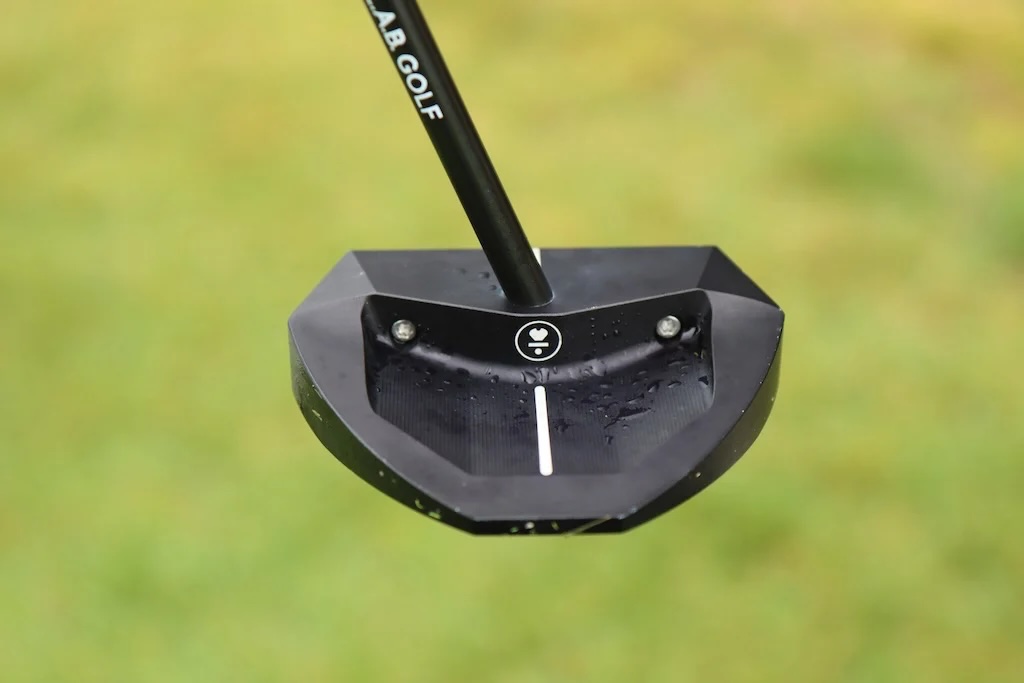
Putter: L.A.B. Golf OZ.1i
Shaft: ACCRA Putter Shaft
Grips: Golf Pride Tour Velvet

Aaron Rai’s winning WITB: 2026 PGA Championship

Russell Henley’s winning WITB: 2026 Charles Schwab Challenge

Photos from the 2026 CJ Cup Byron Nelson

CJ Cup Byron Nelson Tour Report: Koepka and Kim’s newest putters finally get hot

Charles Schwab Challenge Tour Report: MacIntyre, Åberg and Spaun all switch putters, TaylorMade launches new Spider

Details on J.J. Spaun’s surprise putter switch

GolfWRX Launch Report: 2026 Titleist GTS drivers

Photos from the 2026 Charles Schwab Challenge

PGA Championship Tour Report: Fitzpatrick, Koepka among big-name putter switches for Aronimink

Photos from the ShopRite LPGA

Maria Torres WITB 2026 (June)
Driver: Ping G440 LST (9 degrees) Shaft: Accra TourZ Green 5-M4 3-wood: Ping G440 Max (15 degrees) Shaft: Accra TourZ Green 6-M4 5-wood: Ping G440...


Eric Cole WITB 2026 (June)
Driver: PXG Lightning Tour Max (9 degrees) Shaft: Project X Titan Yellow 70 TX 3-wood: TaylorMade Qi4D (15 degrees) Shaft:...


Si Woo Kim WITB 2026 (May)
Driver: Callaway Quantum Triple Diamond (8.5 degrees) Shaft: Fujikura Ventus Black 6 X Mini driver: Callaway Paradym Ai Smoke Mini...


Wyndham Clark’s winning WITB: 2026 CJ Cup Byron Nelson
Driver: TaylorMade Qi4D (10.5 degrees) Shaft: Project X Titan Yellow 60 TX 3-wood: TaylorMade Qi4D Tour (15 degrees) Shaft: Project...

