
Opinion & Analysis
Blame the rules committee, not Tiger


Moving Day at Augusta began with a bang on Saturday as news broke about Tiger Woods being assessed a two-shot penalty for an incorrect drop on No. 15 Friday after his ball struck the flagstick and spun backward into the water.
The unfortunate shot unleashed an explosion of opinion and controversy that resulted in the Masters rules committee making the correct decision not to disqualify Tiger from competition.
Keep in mind that it does not come down to whether Tiger broke a rule or not — he certainly did, and he has admitted it. It is simply the series of events and decisions made by the committee that would have made it unfair to Tiger for him to be disqualified.
So let’s start at the beginning:
Being a water hazard (not lateral) Tiger had four options he could exercise under Rule 26-1:
- Play the ball as it lies, which was not possible because it was submerged in water.
- Take a one-shot penalty and drop his ball in the drop zone at the left side of the fairway toward the grandstand.
- Drop a ball behind the water hazard, keeping the point at which the original ball last crossed the margin of the water hazard directly between the hole and the spot on which the ball is dropped, with no limit to how far behind the water hazard the ball may be dropped.
- Proceed under the stroke and distance provision of Rule 27-1 by playing a ball as nearly as possible at the spot from which the original ball was last played.
Tiger attempted to exercise the fourth option and drop where he hit the prior shot from. At the time, it seemed as though Tiger had proceeded correctly. Between the time that he dropped his ball and the end of his round, the Masters rules committee received a call from a viewer prompting it to reexamine how Tiger proceeded at No. 15. At that time, the committee ruled that Tiger had proceeded correctly, and no penalty was issued.
Many are wondering where the rules official was during all of this. Surely the world’s No. 1 player must have an official with him at all times, right? Yes, pretty much. However, it is the responsibility of the player to call the official in to assist with procedural questions. Rules officials are essential silent observers unless called upon for a ruling, or they can prevent a rules infraction.
So why didn’t the official step in this time?
Since we never saw the official with Tiger short of the pond on No. 15, we can’t be sure. But I have to believe he was up near the green or drop area. From the perspective of the official some 85-plus yards away, those two yards back that Tiger dropped his ball had to look very near to the original spot where he hit from. Therefore there was no reason for him to step in.
In an interview after his round, Tiger stated that he purposely dropped his ball about two yards behind where he hit his original ball from, not knowing he had broken a Rule 26-1. Upon seeing the interview, the committee believed that the ruling warranted further discussion, and they asked Tiger to meet Saturday morning. It was during this meeting that it was deemed that Tiger had not proceeded correctly, and had played his ball from a wrong location.
Playing a ball from an incorrect location in stroke play competition is a two-stroke penalty. However, in Tiger’s case he had already signed his scorecard for a 71. Signing for an incorrect score in stroke play competition will usually result in a disqualification. So why was Tiger not disqualified?
Under Rule 33-7, “A penalty of disqualification may in exceptional individual cases be waived, modified or imposed if the Committee considers such action warranted.” To some, this rule might make it seem like the committee made an exception in Tiger’s case in order to keep the most exciting player in golf in the field for the weekend.
It did not.
Before Tiger finished his round on Friday, the committee had already reviewed what happened on No. 15 and ruled no penalty. Since the committee initially ruled that there was not penalty and thus facilitated the player into signing for an incorrect score, they enacted Rule 33-7 and waived the penalty of disqualification.
Yes, it is the player’s responsibility to know and follow the rules as best he can. However, it would not have been fair to Tiger for the committee to disqualify him from competition.
It was the committee who ruled initially that there should not be a penalty issued. It was the committee who didn’t say anything before Tiger signed for his 71. And it was the committee who reversed its decision and assessed a penalty.
Tiger simply did exactly what the committee instructed him to do. He proceeded under the rules to the best of his knowledge, did not intentionally breach Rule 26-1, and wasn’t told of a possible infraction before he signed his card because the committee had already decided that no penalty was warranted at the time
I fully expect him to continue his exceptional play and make a run at the green jacket. And if Tiger goes on to win The Masters, it will go down as possibly the greatest win of his career.
Click here to read five reasons why Tiger should have withdraw from the Masters this weekend.






Club Junkie
Tour Edge Exotics mini driver review + TaylorMade Spider ZT Max first look – Club Junkie

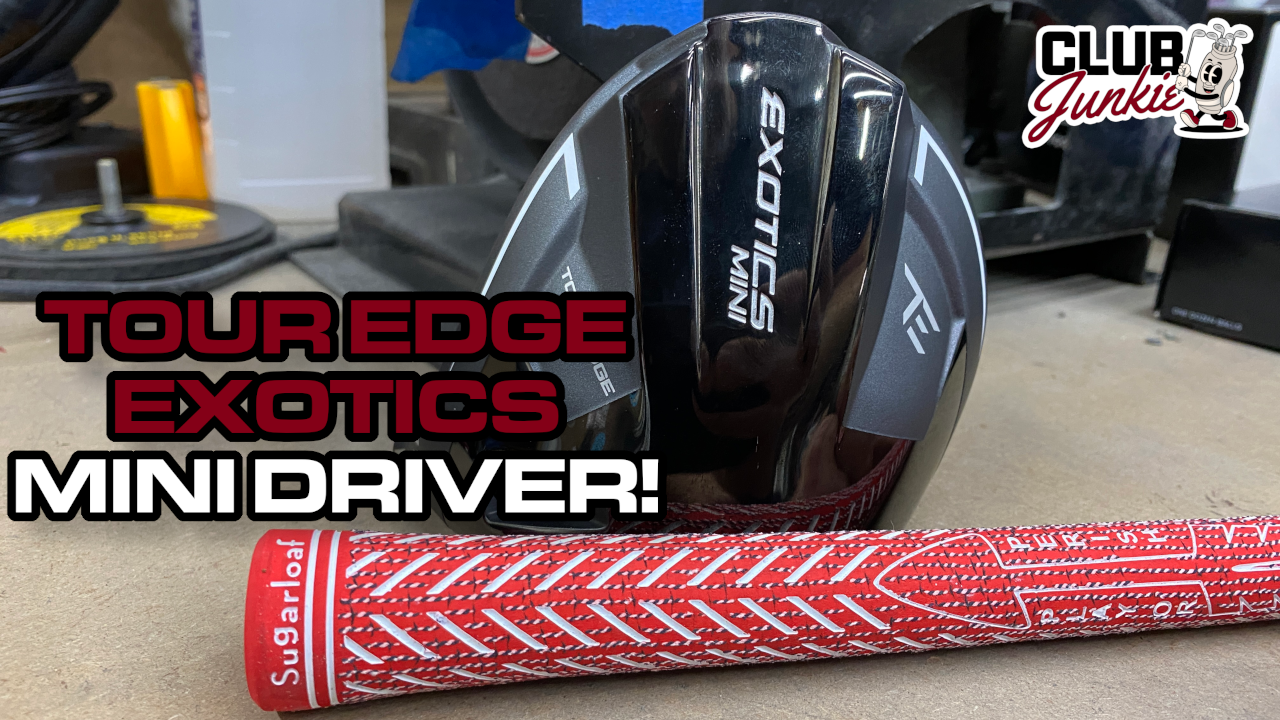
On this episode of Club Junkie, I put the new Tour Edge Exotics Mini Driver to the test and break down the performance, forgiveness, distance, and where it fits compared to a traditional driver or strong fairway wood. If you have been curious about adding a mini driver to the bag, this one is worth a look.
I also dive into the new TaylorMade Spider ZT Max putter that was recently spotted and discuss the growing zero torque putter trend. Plus, there is a closer look at the new Project X Titan Yellow shaft showing up on the PGA Tour and what makes it different from other profiles currently out there.
Opinion & Analysis
AVL: We’re talking about practice! My best tips for taking your game to the course


With the beginning of June on the horizon and courses rounding into peak condition for the season, it’s time to hone the finer skills that often get rusty over the winter. More sunlight also means more time to get out on the course and work on your game.
Whether it’s the practice green or the driving range, there’s always something to improve—whether you’re enjoying the fresh air or preparing for a weekend game or tournament. You can work on drills or freestyle around the green, and friendly competition is a great way to sharpen your skills.
While there are endless ways to get better at golf, I’m going to focus on practicing around the green. Let’s take a look at a few things to keep in mind as we head into the summer months.
Drills
From the driving range to the practice green, it’s important to incorporate drills into your routine. Years ago, I spent a weekend working on my short game with James Sieckmann. He recommended doing drill work for 5–10 minutes, then returning to your main practice.
This way, you create a balance between structured drills and real-world scenarios, so you’re not confined to “perfect” situations. For example, hitting the same three-foot putt over and over is good for repetition, but after a while, it becomes less interactive for your brain.
My approach is to use a putting trainer with a narrow gate for the ball to pass through, or simply place tees just outside the width of the ball. I’ll hit a series of four putts through the gate for three sets. Then, from a similar distance, I’ll hit four putts without the training aid and repeat that sequence three times.
Next, I’ll hit a number of 15–25 foot putts in a random fashion, then circle back to repeat the short putt drills with and without the training aid.
This breaks up the rhythm of hitting short putts with the training aid. When you hit the same short putts over and over, it’s easy to get into a groove—which is great for the drill, but not reflective of actual course play. While finding a rhythm is fundamental for drills, I like to introduce variation with longer putts to keep things realistic.
Game Mode
Once you’ve established a foundation with drills, it’s time to simulate on-course scenarios. This is where a few practice games come in handy.
One that I’ve been enjoying lately involves putting 10- to 15-footers with two balls. If I make the putt, great! If I miss, I pull the missed ball back a putter length. Suddenly, that little tap-in becomes a nerve-wracking three-footer—at least at first. As you get better at this game, those three- and five-footers become much more comfortable and routine.
It may sound cliché, but each shot is just what it is—it’s how we react that makes the difference. I like this game because it blends the pressure of on-course putting with the consequence of leaving yourself a much longer putt than usual.
Another game I like is one I recently learned from Brad Faxon. Place three tees in a line at four different locations around the hole: one at 3 feet, one at 6 feet, and one at 8 feet. The 3- and 6-foot putts count as par, and the 8-footer is for birdie.
This game keeps you focused on scoring and helps you get into a competitive mindset. You can even think about this putting game while you’re on the course. I just started playing it, and last week I couldn’t get better than two under par.
Competition
Competition during practice is when drills and games come to life, and you start to see results. For me, nothing beats a putting contest with a friend or two. In the right setting, these contests can become talking points for the whole season.
Match play, a game of 21, or simply seeing who can make the most one-putts (with a small prize on the line) are all great ways to simulate real on-course pressure. Recently, I played in a putting contest where one competitor made back-to-back 30- and 50-foot putts. As they say, expect your opponent to make every putt—and he nearly did. That’s impressive, and it’s something you see on the course, too: you have to stay committed to your game plan, no matter what.
When it comes to practice, it’s important to blend feedback from recent rounds with the fundamentals you want to reinforce. Drills, games, and competition—from the driving range to the putting green—form the backbone of skills you’ll rely on during actual rounds.
Finding the right balance is something we’re all working on, one practice session at a time. With the beginning of June on the horizon and courses rounding into peak condition for the season, it’s time to hone the finer skills that often get rusty over the winter. More sunlight also means more time to get out on the course and work on your game. Whether it’s the practice green or the driving range, there’s always something to improve—whether you’re enjoying the fresh air or preparing for a weekend game or tournament. You can work on drills or freestyle around the green, and friendly competition is a great way to sharpen your skills. While there are endless ways to get better at golf, I’m going to focus on practicing around the green. Let’s take a look at a few things to keep in mind as we head into the summer months.
Drills
From the driving range to the practice green, it’s important to incorporate drills into your routine. Years ago, I spent a weekend working on my short game with James Sieckmann. He recommended doing drill work for 5–10 minutes, then returning to your main practice. This way, you create a balance between structured drills and real-world scenarios, so you’re not confined to “perfect” situations. For example, hitting the same three-foot putt over and over is good for repetition, but after a while, it becomes less interactive for your brain.
My approach is to use a putting trainer with a narrow gate for the ball to pass through, or simply place tees just outside the width of the ball. I’ll hit a series of four putts through the gate for three sets. Then, from a similar distance, I’ll hit four putts without the training aid and repeat that sequence three times. Next, I’ll hit a number of 15–25 foot putts in a random fashion, then circle back to repeat the short putt drills with and without the training aid.
This breaks up the rhythm of hitting short putts with the training aid. When you hit the same short putts over and over, it’s easy to get into a groove—which is great for the drill, but not reflective of actual course play. While finding a rhythm is fundamental for drills, I like to introduce variation with longer putts to keep things realistic.
Game Mode
Once you’ve established a foundation with drills, it’s time to simulate on-course scenarios. This is where a few practice games come in handy. One that I’ve been enjoying lately involves putting 10- to 15-footers with two balls. If I make the putt, great! If I miss, I pull the missed ball back a putter length.
Suddenly, that little tap-in becomes a nerve-wracking three-footer—at least at first. As you get better at this game, those three- and five-footers become much more comfortable and routine. It may sound cliché, but each shot is just what it is—it’s how we react that makes the difference. I like this game because it blends the pressure of on-course putting with the consequence of leaving yourself a much longer putt than usual.
Another game I like is one I recently learned from Brad Faxon. Place three tees in a line at four different locations around the hole: one at 3 feet, one at 6 feet, and one at 8 feet. The 3- and 6-foot putts count as par, and the 8-footer is for birdie.
This game keeps you focused on scoring and helps you get into a competitive mindset. You can even think about this putting game while you’re on the course. I just started playing it, and last week I couldn’t get better than two under par.
Competition
Competition during practice is when drills and games come to life, and you start to see results. For me, nothing beats a putting contest with a friend or two. In the right setting, these contests can become talking points for the whole season. Match play, a game of 21, or simply seeing who can make the most one-putts (with a small prize on the line) are all great ways to simulate real on-course pressure. Recently, I played in a putting contest where one competitor made back-to-back 30- and 50-foot putts. As they say, expect your opponent to make every putt—and he nearly did. That’s impressive, and it’s something you see on the course, too: you have to stay committed to your game plan, no matter what.
When it comes to practice, it’s important to blend feedback from recent rounds with the fundamentals you want to reinforce. Drills, games, and competition—from the driving range to the putting green—form the backbone of skills you’ll rely on during actual rounds. Finding the right balance is something we’re all working on, one practice session at a time.


For Korean golfers, we always look forward to the last of the kkot-saem-chu-I for the true start of a new golf season. The term refers to a cold snap, but literally translates as “winter being jealous of the flowers beginning to bloom, thus lashing out one final time before surrendering to spring”.
A rather poetic mouthful packed into a short expression.
Koreans can be like that. Understated, yet oddly expressive at the same time. And nowhere is this more true on the golf course and in our golf bags. In fact, I suspect many Korean golfers look forward to new apparel and accessory drops more than they do actual equipment launches each year.
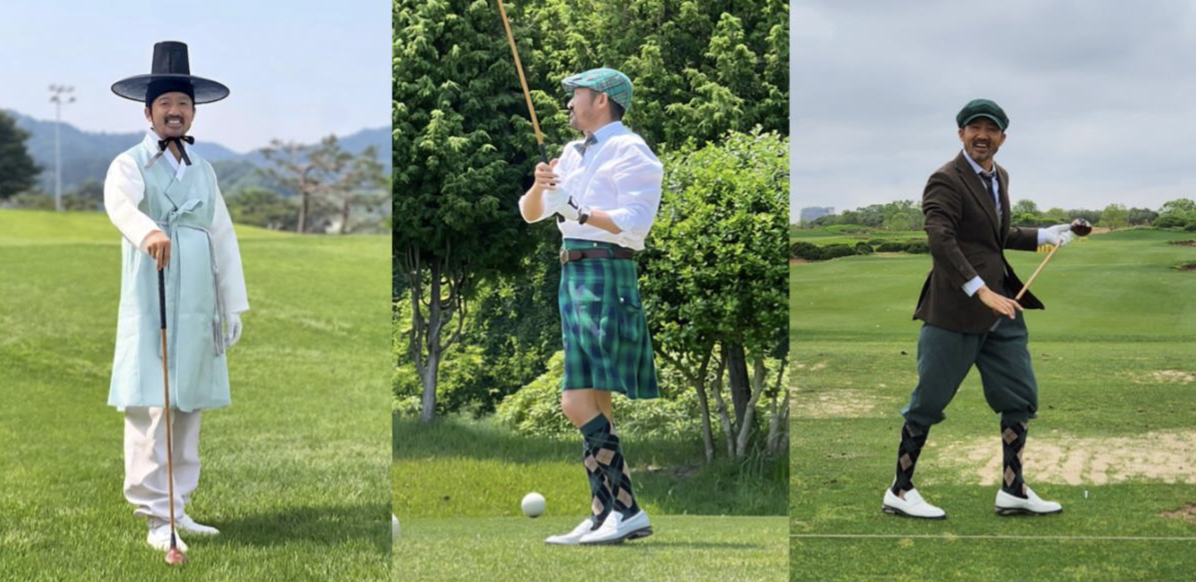
At this point, Korean golf fashion may exist on its own timeline. (courtesy of @seonbi_golfer)
There is ample evidence to support that suspicion. Korea is the world’s third-largest golf market behind the United States and Japan, yet its appetite for golf apparel exceeds that of both countries combined. Recent estimates suggest that Korea accounts for nearly 40 percent of the global golf apparel market, placing it among the world’s most influential golf fashion markets and punching well above its size.
Simply, we care deeply about how new golf clubs look and feel, but enjoy looking good while swinging them even more.
Golfers in the West may laugh and say that golf is played on a course, not a fashion runway. Perhaps. But what’s the harm in trying to look and feel good, if the added self-confidence can help actual performance? It certainly seems to have worked for Jason Day, who may have unlocked a new stats category: dormant strokes gained. Coincidence?

During the COVID-era, estimates placed the market near $9 billion, an astonishing figure for a single country.
As a proud member of Gen X, I’ve witnessed the highs and lows of golf fashion firsthand. The pleated trousers and wing-tipped shoes of Jack Nicklaus, the stylish plus-fours and knickers of Payne Stewart, the baggy black trousers and fitted mock-necks of Tiger Woods, and the thigh-hugging athletic tailoring of Rory McIlroy. Golf fashion, like the golf swing itself, has rarely stood still.
But nowhere have those trends shifted, evolved, and been scrutinized quite as relentlessly as in Korea. Here, golf fashion moves faster than fairway gossip, and consumers dissect brands with a level of discernment that can be both impressive and mildly terrifying. New brands are studied, judged, embraced, or dismissed with startling efficiency.
The result is a consumer base with one of the sharpest eyes for quality and authenticity anywhere in the world. It is difficult to quantify, but easy to recognize. Clean lines without trying too hard. Luxury mixed with utility. Trend awareness balanced by restraint and purpose.
It’s golf fashion shaped by one of the world’s most style-literate cities, something I like to call Seoul Sensibilities, referring to the taste level forged by a uniquely competitive environment.
And increasingly, global brands have noticed.

Many golf brands in Korea have their own flagship shops dedicated to apparel only
Titleist understood this years ago, when its apparel business in Korea took on a life of its own under new ownership and local direction. What had once been a straightforward extension of an iconic equipment giant became something sharper and more premium. By going all in on the serious Tour-player look (I couldn’t even fit into their XL sizes), Titleist struck the right chord with Korean consumers and helped its fledgling apparel business break into the mainstream. Titleist became a household name even for non-golfers who wore its caps, shirts, and windbreakers in daily life. In many ways, it proved that even heritage golf brands could carry real fashion credibility when viewed through a Korean lens.
Several years later, PXG took a page out of Titleist’s playbook and followed suit. Korean consumers helped transform the brand from one known largely for irons and loud commercials into something broader and more stylish. PXG apparel’s growth in Korea was explosive, where it found an early audience and turned the category into something more than mere logo merchandise. It is still hard to walk anywhere in Seoul without seeing its palindrome logo.
Malbon’s meteoric rise in the United States was genuine, but its ascent into a global golf lifestyle brand owes much to Korea, where it was elevated by a market already fluent in modern golf style. Korea did not simply embrace Malbon. It pressure-tested the concept, refined its appeal, and helped push it into the global spotlight.
As such, new brands may arrive from abroad, but more often than not, their sharpest evolution happens here. If a brand can earn credibility in Seoul, it’s deemed to have passed one of the toughest style audits in the game.
That is why the next meaningful chapter may not come from outside, but from a Korean brand moving in the opposite direction, carrying those Seoul Sensibilities outward as K-pop once did.

Play young Stay dope.
From Seoul, With Intent
Khalhon is a label that feels less like a trend-chasing newcomer and more like the product of a market that has already seen everything. Golfers here have long been surrounded by luxury logos, technical fabrics, and tour uniforms disguised as lifestyle wear and vice-versa. In other words, novelty alone rarely lasts here, and the Koreans seems to understand that instinctively.
Its style language leans into clean silhouettes, relaxed but tailored proportions, muted palettes, and premium materials that speak quietly but confidently. There is a modern city aesthetic running through it all, with strong layering pieces, thoughtful textures, and subtle branding that suggests sophistication rather than demanding attention.

“Built for the course. Designed beyond it.”
Most importantly, the garments seem designed to blur the line between golfwear and everyday style. Shirts, trousers, knitwear, and outer layers move comfortably between a game of screen golf, a lunch reservation, an airport gate, or an afternoon coffee in Gangnam with friends.
It raises the question of whether this is golfwear that happens to look good off the course, or everyday clothing that performs beautifully on the fairways.
Personally, I have long appreciated Nike Golf for its clean, athletic modernization of golf attire. It also has the useful side effect of making me look like a more serious golfer than I probably am. But off the course, there are times when being instantly identified as the golf guy in a crowd of non-golfers can feel a touch self-conscious.

“Built for the course. Designed beyond it.”
That is part of what drew me to Khalhon, which seemed to blend golf and everyday wear naturally. While some of the outfits may be slightly beyond my personal confidence level, the brand also offers tasteful options for older guys like me who still want to express a little personality without regretting the decision later.
These are not simply flashy outfits worn on the course and then banished to the closet until the next tee time. They work surprisingly well off the course too, and I suspect many of the pieces will still look right a couple of years from now, which would certainly be kinder to my wallet than most golf fashion trends tend to be.
And perhaps that broader lifestyle positioning also helps explain why someone like Sean Wotherspoon would find Khalhon creatively interesting in the first place.

“Built for the course. Designed beyond it.”
“Korea is not only one of the most fashion-forward golf markets in the world, but one of the most fashion-forward markets globally. Korea is ahead, and I love to watch and try to catch up.” – Sean Wotherspoon, Creative Director at Khalhon
Seoul and Beyond
If Khalhon’s rise says something about where Korean golf fashion is today, its relationship with Sean Wotherspoon says even more about where it is heading.
For readers less familiar with Sean Wotherspoon, his arrival at Khalhon is not some routine celebrity endorsement or influencer collaboration. In design and streetwear circles, Wotherspoon is regarded as one of the more influential creative voices of his generation, particularly when it comes to blending nostalgia, storytelling, and contemporary culture into products that people can connect with.
He first gained widespread attention through his now-famous Nike sneaker collaborations, where his vintage-inspired designs and instinct for color helped turn him into one of the defining artists of the late-2010s sneaker era. His work gradually expanded beyond footwear into apparel, automotive collaborations, collectibles, and broader lifestyle design.
Modern golf style now extends well beyond the fairways, where performance and functionality are largely expected by default. And while plenty of brands already make technically competent golfwear, Khalhon seems more focused on designing clothes people would genuinely want to wear even after the round ends.
And when guys at Wotherspoon’s level show genuine interest in working with a Korean golf brand as its new Creative Director, fashion circles tend to sit up and pay attention. There’s already a huge buzz among the fashion-conscious here about upcoming collabs with iconic sports stars and brands.

“My creative direction for Khalhon is disruptive, colorful, nostalgic, and modern. My goal is to blend these avenues seamlessly within each collection.” – Sean Wotherspoon
In chatting with Sean, what stood out most to me was how genuinely energized he sounded about the project itself. Despite having already worked across and countless other creative spaces, he described golf as a completely fresh category for him, saying that Khalhon “will be an amazing vehicle for my design work.”
At the same time, his enthusiasm seemed tied just as much to Korea itself. He spoke openly about admiring Korea’s fashion culture while repeatedly insisting he is still a terrible golfer.
There was something oddly refreshing about that humility. Rather than sounding like a celebrity parachuting into golf simply because the category suddenly became fashionable, Sean sounded genuinely curious about what Korea might do with the category next.
And perhaps that is what makes Khalhon feel interesting right now. The brand feels less like a trend-chaser and more like the natural result of a market now confident enough to export its own point of view.
For years, global brands came to Korea to sharpen their image against one of the most discerning audiences anywhere. Now, a Korean label appears ready to send those Seoul Sensibilities outward instead.
Which brings us back to kkot-saem-chu-i.
That final cold snap before spring always arrives with a reminder that seasons are changing, whether we notice it immediately or not. Golf fashion feels a little like that right now as well, as the old boundaries between sport, streetwear, luxury, and everyday style continue to soften.
And somewhere in Seoul, a Korean golf label already seems prepared for whatever season comes next. I just hope they have everything in my size.

Aaron Rai’s winning WITB: 2026 PGA Championship

Russell Henley’s winning WITB: 2026 Charles Schwab Challenge

Photos from the 2026 CJ Cup Byron Nelson

CJ Cup Byron Nelson Tour Report: Koepka and Kim’s newest putters finally get hot

Charles Schwab Challenge Tour Report: MacIntyre, Åberg and Spaun all switch putters, TaylorMade launches new Spider

Details on J.J. Spaun’s surprise putter switch

GolfWRX Launch Report: 2026 Titleist GTS drivers

Photos from the 2026 Charles Schwab Challenge

PGA Championship Tour Report: Fitzpatrick, Koepka among big-name putter switches for Aronimink

Photos from the ShopRite LPGA


Maria Torres WITB 2026 (June)
Driver: Ping G440 LST (9 degrees) Shaft: Accra TourZ Green 5-M4 3-wood: Ping G440 Max (15 degrees) Shaft: Accra TourZ Green 6-M4 5-wood: Ping G440...


Eric Cole WITB 2026 (June)
Driver: PXG Lightning Tour Max (9 degrees) Shaft: Project X Titan Yellow 70 TX 3-wood: TaylorMade Qi4D (15 degrees) Shaft:...


Si Woo Kim WITB 2026 (May)
Driver: Callaway Quantum Triple Diamond (8.5 degrees) Shaft: Fujikura Ventus Black 6 X Mini driver: Callaway Paradym Ai Smoke Mini...


Wyndham Clark’s winning WITB: 2026 CJ Cup Byron Nelson
Driver: TaylorMade Qi4D (10.5 degrees) Shaft: Project X Titan Yellow 60 TX 3-wood: TaylorMade Qi4D Tour (15 degrees) Shaft: Project...


Dino
Apr 17, 2013 at 10:16 am
this is wrong. the committee does not nor has to remind players of thier penalties for breaching a rule or of any shot resulting in a penalty stroke prior to handing in thier cards. That is not thier job. Had they noted from the begining that Tigers drop was illegal they do not have to tell him prior to card signing. He simply would have been disqualified for handing in the wrong card. And wether or not Tiger knew the rule or not also does not matter. It is is his 100% resonsibility to know the rules and to play by them. This is not the same as what happened to P. Harrington becaues he did not know his ball moved but he still played by the rules. There is a big difference. Tiger (ignorant or not of the rule) did not play by the rules. They cannot dismiss the disqualification if they are going to penalize him for the play. They must do both or do nothing at all and say we missed it an its too late, its over. They should not acknowledge the penalty without acknowledging the wrong card. This notion that they missed it at first is not an excuse to excuse the disqualificatiopn because they do not have to discuss it with tiger prior to card signing anyway. That is not what they do. If a player hit a ball into water and hands in a card without penalty stroke he is disqualified. Its the same thing. They do not remind or tell players prior to signing who lost a ball in the woods or hit into water or whatever that they must add those strokes. They simply check the card against such and if it is wrong they are disqualified. They cant simply dismiss one and not the other because they go hand in hand. And cant dismiss it simply because they missed it. they should iether accpet it all and say they screwed up and its too late or penalize for both. Thats the only two ways which they should handle it. As said, totaly different from Harrington because he didnt know the ball moved or if a player double hits and doesnt know it. Harrington or other players in such situation still played by the rules. Tiger did not play by the rules and not knowing the rules is never an escuse. Whats to stop players from now doing things and pleating they didnt know the rule? they are using the right to waive for the wrong reason and unfairly applying it. They should have said. he handed in his card, we accepted his card and we screwed up so its over thats the breaks. But to acknowledge the penalty later on and also assess it as such they must also assess the disqualification. They cannot use the excuse they missed it for one penalty and not the other. They iether missed both which they did and decide to penalize for both or they should have done nothingdo nothing. There is no such thing to warrant an inbetween. It did not have to be discussed with tiger at all had they cought it earlier so thier notion that thats thier fault does not fly. If thats the case then penalize him for nothing. But shoulodnt do one without the other.
Gene
Apr 15, 2013 at 7:38 pm
Tiger and the Masters lost their integrity. There is no way they DQ Tiger because they lose their tv ratings. Any other player in field would have have been DQ. And dont tell me Tiger doesnt know the rules. He would cheat to win another major and he just proved it and the Masters proved they are willing to over look the rules and give preferential treatment to Tiger Woods.
Steve
Apr 16, 2013 at 1:06 pm
Lol. If he was cheating on purpose, he wouldn’t be stupid enough to admit it later. Especially after the rules committee watched the video and said nothing was wrong with the drop. If he actually was a cheater, he would have gone forward without saying anything and not get punished at all.
Ty
Apr 15, 2013 at 12:58 pm
so, the third option for a drop from this type of hazard is:
3.Drop a ball behind the water hazard, keeping the point at which the original ball last crossed the margin of the water hazard directly between the hole and the spot on which the ball is dropped, with no limit to how far behind the water hazard the ball may be dropped.
Tiger’s drop was behind the hazard, the poing at which the ball crossed the hazard was between the hole and his drop point, and he droped the ball farther back from the original shot. The rules state that there is NO distant limit to how far back you can play your drop. So if anything I think Tiger is guilty of confusion between the 3rd and 4th option allowed by the rules.
Ty
Apr 15, 2013 at 12:53 pm
This one falls on the Rules Committee. After the caller notified them of the potential infraction, they should have not only reviewed the tape themselves but also notified Tiger in the scorer’s tent before he signed his card. Had they done this, Tiger would have admitted his mistake, signed for the correct score and all of this would be a non-issue.
Clark
Apr 15, 2013 at 11:40 am
Maybe Tiger should be able to see instant replay from last shot. Haha
Joe C.
Apr 14, 2013 at 6:17 pm
Kind of late to be jumping into the Tiger Wood’s controversy but …… When Tiger signed his score card, wasn’t it an incorrect score card? Does the fact that he did not asses himself a penalty mean that his score was correct on the card? This is where I am confused.
TWShoot67
Apr 14, 2013 at 8:06 pm
At the time Tiger signed the scorecard NO. No one who was at the event said anything about it before he signed his card. When a rules official (and its their job) thinks there’s a rule infraction he will in fact talk to the player ie…. just like they talked to the 14 year old Tianlang Guan after they clocked him for slow play. When they it got brought up about Tiger possibly braking a rule they said he didn’t that it looked like the drop was proper. No one really knows how far he actually dropped the ball until an interview with tiger where he stated it was 2 yards longer shot. well when I watched him drop and seen the replay it didn’t look 2 yards but that what he said he did. The rule as been explained over and over but the Tiger haters or so called PGA pro’s who say the older pro’s like JACK would have just DQ themselves. Tiger has been cheating for years, thats why he has the wins he has…. pure cheater.
char005
Apr 15, 2013 at 11:17 am
name one other instance. this should thread should just be i like tiger or i hate tiger.
Bob S
Apr 14, 2013 at 5:43 pm
Well….at least they have an official w/Snedeker and Cabrera when they needed ’em…..
Alex
Apr 14, 2013 at 2:24 pm
Trying to argue that a pro should know all the rules is like saying that a business owner should be familiar with the legion of laws and practices regarding taxes, statues, etc. I’m never going to buy that one.
Sorry, but it’s easy to “remember” everything at home watching on TV.
TWShoot67
Apr 14, 2013 at 6:21 pm
Great answer Alex.
oilfield7550
Apr 14, 2013 at 11:27 am
Hmmm…seems as though the Masters rules committee called Eric Holder before rendering their decision.
Brian
Apr 14, 2013 at 10:49 am
If the rules of golf intended for someone to be DQ’d for failing to execute a proper drop, they would not have the rule imposing a strict 2-stroke penalty! If Tiger intentionally violated the rule (i.e., cheated), there would be grounds to DQ him. The evidence does not suggest this as he voluntarily explained the improper drop. As a result, the evidence suggests that he had no knowledge of the error until after he signed his card. While this would have resulted in immediate DQ in the past, that has changed with the new rule. The conspiracy theorists are nuts if they believe this rule was created for Tiger, as will be shown in time as others reap the benefit of the new rule.
JeffMac
Apr 14, 2013 at 10:49 am
Grant has quoted the rules correctly, but some others in this discussion have not. The rules do NOT state that a player is to “drop” his ball as near as possible to where the previous stroke was made. He is to “play” his ball as nearly as possible from where the previous stroke was made.
If a player was allowed to place his ball, obviously he could place it in the exact spot where the prior stroke was made (in this case, the divot left behind). But you can’t place – you are required to drop the ball.
I believe Tiger was on a down slope, and so it would make sense to me that a player would drop his ball some distance behind where the original stroke was made, so that if it rolled towards the hole, it has a chance of not rolling nearer the hole then where prior stroke was made (which would require a re-drop).
In addition, the ball cannot roll more then 2 club lengths (2 yards?) from where it first hits the ground. So it makes sense to me that dropping 2 club lengths behind, when on a downslope, is your best chance to have your first drop be a legal drop and have the ball in play without having to re-drop.
I think Tiger knows the rules, and the above is what was going through his mind when dropping. True, he may have been hoping the ball did not roll, or did not roll much, so he could play from a slightly further distance then previous. And sharing that thought process was his downfall that caused the penalty.
It almost seems like he should have tried to drop his ball into his divot, and if he missed the divot, or if the ball rolled or bounced out of the divot, then re-drop. If it happens again, then place the ball in the divot.
That is the only way to indisputably play your stroke from as near as possible to where prior stroke was played.
Anything else is subjective.
Larry
Apr 14, 2013 at 9:44 am
No,No,NoThe rules committtee knew exactly what happened. They tried to ignore it until ESPN told them about the interview. Then they had no choice. Tiger knew the rules and he thinks he is above them. He knows they all want him there to bring in the ratings but once there was no way out they had to work something out. All the other golfers and critics who called for Tiger to withdraw knows what was going on. Anyway you are right about one thing you can’t blame Tiger because the media has made him believe that he is above everyone and should not have to account for his actions on or off the golf course.
jake
Apr 14, 2013 at 10:48 am
Larry I am inclined to agree with you. I think that is exactly what happened. This isnt the first tine he has taken a funny drop. As someone who has played professionally I can tell you it does not sit well with other professionals when stuff like this happens, the worst thing you can have as a professional is to have a cloud of “gray” attached to your name.
Woodie
Apr 14, 2013 at 12:26 pm
Once there was this nice drop of a parking lot… which was out of bounds till then 😉
Jack
Apr 14, 2013 at 3:20 am
This really changes everything. I don’t like how they can go back and change what was approved and signed for in the name of making it right. To me there were many opportunities to make it right, but that time had passed.
sam
Apr 14, 2013 at 12:40 am
Rule requires you drop at spot as near as possible to prior spot. He knew he didn’t do that when he admitted he took it back two yards to a more favorable spot to hit his next shot. Rule does not provide you can take it as far back as you want. Committee or no committee it is a game of honor and if the committee didn’t dq him he had the moral obligation to withdraw. Aside from having a rules official with each group they should probably let players have their lawyers with them.
jake
Apr 14, 2013 at 7:59 am
Thank You
Woodie
Apr 14, 2013 at 12:23 pm
well said, Sam. Thank you!
J
Apr 13, 2013 at 11:13 pm
Yet again, people making comments without the skill most kindergarten children posess.
READ THE ARTICLE
Tiger was told, by the rules committee, that his drop was legal.
Read it.
The rules committee changed its mind.
Read it.
They assessed him a penalty as described in the rules and proceeded to follow the rules even farther by not DQ’ing him but waiving the DQ because… Now get ready… Here it comes… The reading part…
They told him his drop was correct. They changed their mind. They waived the DQ.
READ before you comment. You look stupid when you speak from a point of emotion, with some sort of weird, obsessive dislike of someone you’ve never met or interacted with, rather than speaking from a point of educated information and the benefit of all the information available. And… Here’s the best part..
Augusta… The Masters… It’s an invitational. They make the rules. It’s their Tournament… They can say everyone uses pink balls and croquet mallets for putters… The PGA Tour rules… The USGA.. The R&A.. All of their rules…ALL OF THEM… Are irrelevant. Augusta makes em…breaks em…enforces em… All of you crying foul because of the rules are speaking from a point of ignorance. The rules are what AGNC says they are… They spoke. SU.
Greg DeLaney
Apr 13, 2013 at 10:58 pm
For the signing the incorrect scorecard argument: Tiger didn’t knowingly sign a wrong scorecard, and when it was signed, the rules committee had determined it was the right scorecard. So Tiger obviously didn’t knowingly sign a wrong card. After the interview it was determined he broke the rule, he admitted he did this after the rule was further explained to him, and he was assessed the 2 stroke penalty, as the new rule states. Everything was followed by the book. Any other player would get the same treatment. This wouldn’t happen to any other player tho, because every single shot of Tiger’s is on TV therefore he probably follows the rules by the book more than any other golfer out there because he was more closely watched.
Greg DeLaney
Apr 13, 2013 at 10:52 pm
Nicely put Grant! Who on here really believes he should have been DQ’ed? He obviously didn’t know the rule, or at least the full rule, but within 5 feet is close enough anyways. And he hit the pin on the shot he was retaking anyways. Y’all that think he should have been DQ’ed are haters. Committee made the mistake, not Tiger. If anything Tiger should be commended for tattling on himself and taking the 2 stroke penalty. If he doesn’t say anything, all this is mute. 2 stroke penalty was more than fair. Hope he can make a nice run tomorrow. And anybody would get this treatment, but I don’t think any other golfer has enough haters who look up a rule such as this in the rule book and takes the time to call it in. LOL get a life. Probably one of you haters on here hating on Grant.
jake
Apr 13, 2013 at 11:52 pm
There is no “close enough anyways”…..he broke a rule.
Jeff
Apr 13, 2013 at 9:18 pm
I find it interesting that ALL of this hand-wringing about who-knew-what-when began LONG AFTER the fact. None of his playing partners or caddie said, “Hey, wait a minute” either as he dropped or after the shot. None of the announcers calling the play-by-play at the time recognized a problem. None of the folks watching with me noticed it. And most important, none of the officials, until notified by fans watching TV (something I’m not fond of, by the way.) So now all of a sudden everyone is an expert on what happened and what Tiger should do or should have done. If he was trying to cheat, I’m pretty sure he’s smart enough not to yap to the press about how he tried to illegally gain an advantage. I see it as an honest mistake that in retrospect makes US ALL look a little foolish, most of all Mr. Woods, but one that has been ruled on and…play on, Tiger.
Don
Apr 13, 2013 at 9:17 pm
This ruling is comical….Anyone defending not DQing tiger is either 1)a huge fan of tiger (so I understand) 2)doesn’t believe in DQs for
sometimes lame golf rules which can be understandable, see Dustin Johnson at the PGA or 3)can’t understand the rules (or is a CBS tv exec).
The rule is pretty simple, especially when you read the examples. Basically the rules are set up to protect someone from DQ when he doesnt REASONABLY know that he DID SOMETHING that caused him to break the rules. It does not matter if he knew he broke the rules or not, only if he knows that he did the act (which is prohibited).
So in this case, if there were a bunch of divot marks around the area he hit from, and he dropped next to a divot where he thought he hit from previously, he would be saved. However, misinterpreting a rule is not a defense….
Greg DeLaney
Apr 13, 2013 at 11:01 pm
it was pretty reasonable that he misinterpreted the rules since he tattled on himself in his own after round interview there Elin. So by the rules he didn’t have to be DQ’ed just like the rule was put in place for. It’s too protect the players
J
Apr 13, 2013 at 11:19 pm
He didn’t break the rules. ANGC spoke. It’s their tournament… How is it absolutely so few of the people posting comments fail to understand the basic facts…
Augusta makes the rules. It’s an invitational.
They make the rules. ALL of the other rules are subject to…. Ready for it…. Wait for it…. Wait for it….
LOCAL RULES.
You don’t like it… Fine. But the rules were enforced the way AGNC wanted them enforced. Which means… Here it comes again….ready….
LOCAL RULES supercede those of the PGA… The R&A… The USGA… Their rules stop at the gate.
jake
Apr 13, 2013 at 11:45 pm
Local rules do not supercede USGA rules they have to be formed with USGA approval. Rule 33-8
J
Apr 14, 2013 at 2:16 am
Wrong.
It’s an Invitatinal. The USGA has no authority over an Invitational tournament. Period.
jake
Apr 14, 2013 at 7:57 am
UH-Hello–They play by USGA rules.
TWShoot67
Apr 14, 2013 at 6:19 pm
Thank you , explain that to Woodie a PGA professional.
Woodie
Apr 15, 2013 at 4:31 am
Thanks TWshoot. Everything is said, I will not reply any further here. Guys like you are not seeing the facts, but ok. Play what you like, it is not Golf.
Metrybill
Apr 20, 2013 at 7:42 pm
misinterpreting a rule is not a defense.
EXACTLY.
jake
Apr 13, 2013 at 8:48 pm
What I can’t believe is that the rules committee, after reviewing, ruled that what he did was ok! Mind you they had a forner USGA President and Mark Russell, a well respected official that has officiated on the PGA Tour for years. Forget all the other stuff that happened after… That where it starts getting funky for me.
Troy Vayanos
Apr 13, 2013 at 8:22 pm
Well said Grant,
The rules committee need to take full responsibility for what happened. Tiger was doing as he was told and has every right to continue playing.
If he goes on to win, hopefully this incident will not overshadow his victory.
Steve
Apr 13, 2013 at 5:15 pm
I wish I could call the NBA and tell them that LeBron didn’t actually get fouled, it was a flop, so he shouldn’t get free throws.
Marc
Apr 13, 2013 at 9:23 pm
I think this is getting ridiculous about having people call, tweet, or whatever to the officials and then have them change their decision. The official needs to make the call, then you live with the result. I agree that Tiger should have been DQ’d, but all sports have officials that make bad decisions. We complain, and say “what if” – but the fact is, it’s getting to the point where the rules are being enforced differently based upon input from the TV audience. This is pretty ridiculous IMHO. What’s next? Are they going to start posting a phone number or email address at the bottom of the TV screen for us to send in our rules alerts and just make it part of the game?
Ty Woodruff
Apr 13, 2013 at 4:06 pm
I’ve never attended a Rules seminar, but even I know dropping 6 ft from the original position isn’t “as near as possible”. Wondering if the original ruling isn’t the one that should come into question as favoritism. Committee should have assessed a penalty to begin with…before Tigger signed his card.
nick baker
Apr 13, 2013 at 4:04 pm
Agree up to a point, and that point is the news conference, when TW stated that he dropped at a different location for benefit. This statement undermines the logic of the Rules Cte. Unless TW or the Rules Cte has good reason to believe that TW mis-spoke in his news conference, it is DQ in my opinion. Without the news conference the Rules Cte is entitled to make their own determination, but not when TW is on tape saying this.
Kenneth Atkin
Apr 13, 2013 at 4:00 pm
I want to add that I feel it is sad that the new rule is being used to justify a player violating the rules (admittedly) and then signing an incorrect scorecard (admittedly) and being allowed to play for the green jacket. This is not what the new rule was aimed at. This is much different than a ball moving an 1/8th of an inch without the player knowing. Tiger SHOULD have known he violated a rule. Plain and simple.
Andrew Sellitti
Apr 13, 2013 at 9:23 pm
That is my point as well. The spirit of this rule change was to protect players where they couldn’t protect themselves. Ignorance of the most basic rules is not a situation of a player not being able to protect themselves. The application of the rule sets a dangerous precedent going forward. The game of golf on the pro level will move further away from a self policing game of integrity and now into a sport where officials manage all the rules.
Bern
Apr 13, 2013 at 10:22 pm
The scorecard was in fact not incorrect when Tiger signed it. It was not incorrect until the committee decided that drop was improper. Nobody on the course seemed to think the drop was improper when Tiger made it. The commentators said nothing. The rules folks said nothing. The other players said nothing and Tiger thought he had taken a proper drop. This is nothing but that same old mess from the same tired voices that have found fault with Tiger from day one. The same kind of folks who called in threats on his life in 1997. Same folks. Same agenda. The committee made its ruling and that should be it. Move on.
Brent Ashcroft
Apr 13, 2013 at 3:37 pm
I do blame the rules committee as well as Tiger Woods. If any other player would have been caught trying to give them selves an advantage they would have been dq’d. Everything in golf is not about tiger and you people need to realize he’s not God.
Blanco
Apr 13, 2013 at 6:57 pm
Nobody thinks he’s God dude. Just a mortal human being on the path to total knowledge of self– he’s also a phenomenal golfer– probably the best there ever was. This social media thing is getting more and more manic depressive every day. Journalism and enlightened discussion is long dead.
Kenneth Atkin
Apr 13, 2013 at 3:33 pm
So is the Committee now going to keep score? Why even have players sign their cards in this day and age? Just one more reason that professional golf and recreational golf have nothing in common.
Mikko U
Apr 13, 2013 at 3:29 pm
So why is it ok not to know even the most basic rules of golf and break them?
Tiger made a mistake (or cheated), then the committee makes an uninformed decision, Tiger reveals his mistake to the media, the committee doesn’t hand out the required penalty of disqualification.
Or how does a basic water hazard rule become something professional players shouldn’t or needn’t be aware of?
Woodie
Apr 13, 2013 at 6:58 pm
Right, Mikko!
Sorry Grant, but as a Professional you should know better!
“He proceeded under the rules to the best of his knowledge,…”
Tiger did not know one of the easiest rules in golf, come on! He signed a wrong scorecard. It doesn’t matter what the guys from the rules comittee recognized or did not recognize. Any player is responsible for playing under the same rules as any other player in the tournament.
Grant Shafranski
Apr 13, 2013 at 10:14 pm
Thank you for the comment Woodie. I absolutely agree that Tiger should know the rule, and I’m sure that he does. Keep in mind that knowing the rules and proceeding under them are two completely different things, however. The most difficult thing about the Rules of Golf is interpreting their meaning.
I believe that Tiger was flustered at the time he took the drop, and did not think about the point at which his ball LAST crossed the margin (opposite side). I think he was only thinking about when his ball first crossed, and went back on a line with THAT point between himself and the hole. Therefore, in his mind he was proceeding correctly, and not intentionally breaking any rules.
At the club level, the golf professional often times is the “committee” and we cannot expect every participant in the field to know every rule. The same goes at the professional level, you would be surprised how many tour pros struggle with the rules, even though they are playing the game for a living.
Had Tiger said in his interview that he was knowling breaking Rule 26-1 when he dropped his ball, it would be a completely different story. It would then become a possible serious breach, for which the committee could decide to DQ him for. But as the committee, all we can do it trust that the player is telling the truth, just as the Masters committee has to believe Tiger when he says that he thought he was proceeding correctly.
MLamar
Apr 14, 2013 at 10:53 pm
Great Post … People need to take their emotions out of the situation and review the facts … As I’ve played in my Club Chmps – we have a committee – if there’s a question about a ruling – we play on – right the score and the committee will discuss/review with us when we get into the club house – Penalty will be assessed or not … The rules AGNC committee initially deemed no foul and later reviewed & assessed a 2stroke penalty – PLAY ON !!!
Betcha dimes/donuts – I don’t think everyone (even tour players) know all the rules. ie They’re open for interpretation.
Metrybill
Apr 20, 2013 at 7:41 pm
I like the article, but …
Ignorance of the law (rules) is no excuse. I do not care that he was “flustered.” So what? That is at best an explanation; but it is no excuse. There is no “fluster” exception to the rules. He violated a very, very basic rule. He had a caddie, too; which most of us cannot afford or claim. 4 eyes and 2 brains; not just 2 and 1. All the worse, he in fact admitted that he intentionally played from farther back than the rule permits. He did something that the rules committee did not know about! He had 4 options and he took none of them. Intent has no place in the rules for a proper drop. You either dropped the ball correctly or you did not. He didn’t get an official ruling during the round, only afterwards and even then not one generated by him or by a committee with full knowledge of the facts.
btw, and importantly, there was a rules official available and TW did not take advantage of that. All he had to to was to ask, “Can I do this? (or) Is this OK?” In a club tournament he gets d’q’d.
Another option: in case of doubt under the rules he could have played a 2nd ball.
Golf is not a regular ball-sport. Golfers are self-regulating. Officials do not throw flags during the round. Golf officials are not active, flag-throwing officials. {Still I do not get that the rules official did not “check out” the drop to protect the field. If he/she had this affirmative duty, this might not have come up. Now, if rules officials had that “duty,” I would have a different opinion.}
Full disclosure: Clearly, Tiger is one of the very best ever. I am not a Tiger fan but I don’t hate him or wish him failure. Tiger has benefited from the lack of a full field of future Hall-of-Famers in his era, except for Mickeleson and Els. If I could get a bet on Tiger v. Tom Watson, 1-shot a side, I would take Watson. (I know; ridiculous but that is how I feel about it.) Tiger has never come from even 1-shot behind to win a major. IMO, that is a serious hole in his resume’ when compared to others.
Tiger is about Tiger and no one else. He is known to be smart and analytical. I am sympathetic but not to the point that the rules are compromised. I do think this was favoritism; maybe not intentionally so, but as applied.
Tiger is without a doubt the best round 1 -3 player ever. As a 4th round player, who absolutely WILL be and deserves to be a hall-of-famer, as a 4th round player he will probably go down as one of the most mediocre of them all. That will be the hole in his resume’.
btw, again. Most of us play without “drop-zones.” Pros are privileged with the best of everything when they play.
Looking forward to the comments and prove me wrong. Is there some context that I am missing?
Metrybill
Greg DeLaney
Apr 13, 2013 at 10:53 pm
You keep talking about playing by the rules but Tiger followed the rules set forth by the governing body of golf. Stop being a hypocrite. The game of golf changed this rule. Grant is a professional and does know better you stupid idiot
Woodie
Apr 14, 2013 at 6:03 am
Oh Greg, are we getting personal? I won’t jump on your verbal abuse…
I am a PGA Professional too and I know what I talk about! Signing a wrong scorecard is a DQ, period.
Tiger should have amditted that he made a mistake and pull out of the Masters. And I am no Tiger hater…
Mikko U
Apr 14, 2013 at 9:13 am
I’m sorry but he did not follow the rules set forth by the governing body of golf. He himself said he went back a couple of yards to drop the ball (thus he knew where he shot his original shot) and that is not dropping as near as possible.
Ronald Montesano
Apr 13, 2013 at 3:23 pm
Nicely put, Grant. While I believe that my take is the correct one, and that the Competition Committee enabled Tiger in a way that they would no other player, I applaud your research and your formulation of your argument.
TWShoot67
Apr 14, 2013 at 6:14 pm
There is no argument. they are the facts Ronald. Tiger followed the rules of golf plain and simple. he didn’t need to withdraw because haters want him to, if in fact he did he would do the rules an injustice. When Tiger dropped he didn’t think he was gaining any advantage. if he wanted to cheat he would cheat but since he has 77 wins and 14 majors Tiger doesn’t need to cheat. He’s the greatest golfer of our time and maybe of all time.
John
Apr 14, 2013 at 11:16 pm
Well he didn’t end up winning. Well Done Adam Scott