
Equipment
Why your golf clubs keep snapping (and how to stop it)


A long, long time ago, in the glory days of minimum wage and perpetual verbal abuse, I landed a job as a club builder. Well, that’s a bit generous — I was really just a teenager tasked with pulling off 25-year-old Golf Pride Tour Velvets, scraping tape residue with the finesse of a bricklayer, and regripping clubs for hours on end. The black stains on my hands and the acrid stench of the chemicals still linger in my memory.
But through the blisters and solvents, I learned a thing or two about club repair — and even got to meet some fascinating people along the way.
Like most stories worth telling, this one starts on the course. I was playing with a guy who was on the verge of giving up golf altogether. His clubs were snapping at the hosel with alarming frequency. He was frustrated, convinced he was cursed, and ready to quit the game entirely.
Quit golf? What? It was like a bat signal calling me into action. I had to figure out what was going on.
To get some expert insight, I enlisted my friends at KBS Golf Shafts, including Kim Braly himself. Kim is the director of research and development at the company that bears his name. I am so lucky to call him a friend since he is one of the leading experts in shaft design and craftsmanship, and his team produces some of the finest shafts in the game. With their help, I uncovered the most common reasons clubs snap — and how you can prevent it from happening.
Sanding: Less Is More
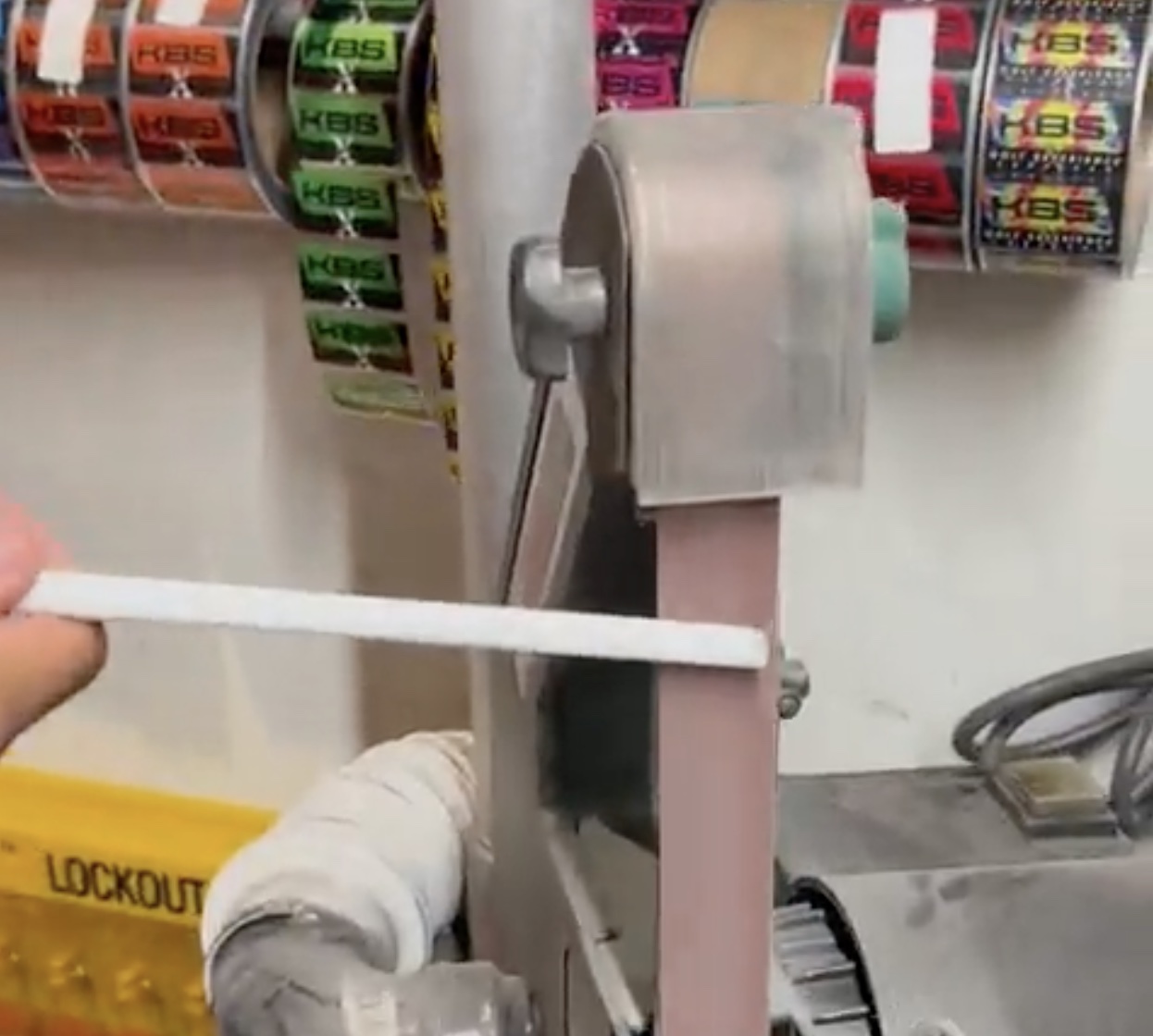
When installing graphite shafts, club builders sand the tips to ensure a proper fit in the hosel. This step is crucial, but it’s also where a lot of damage can be done.
Too much sanding — especially over multiple pulls and re-installs — gradually weakens the graphite fibers. Over time, the shaft becomes brittle, prone to cracking or breaking under normal swing stress. Kim pointed out that frequent reshafting without proper care can significantly shorten a shaft’s lifespan.
If you frequently tinker with your clubs, be aware that each reshafting slightly reduces the shaft’s durability. If you’re working with a fitter, make sure they’re sanding only as much as necessary to avoid unnecessary wear.
Epoxy Overflow: The Silent Shaft Killer
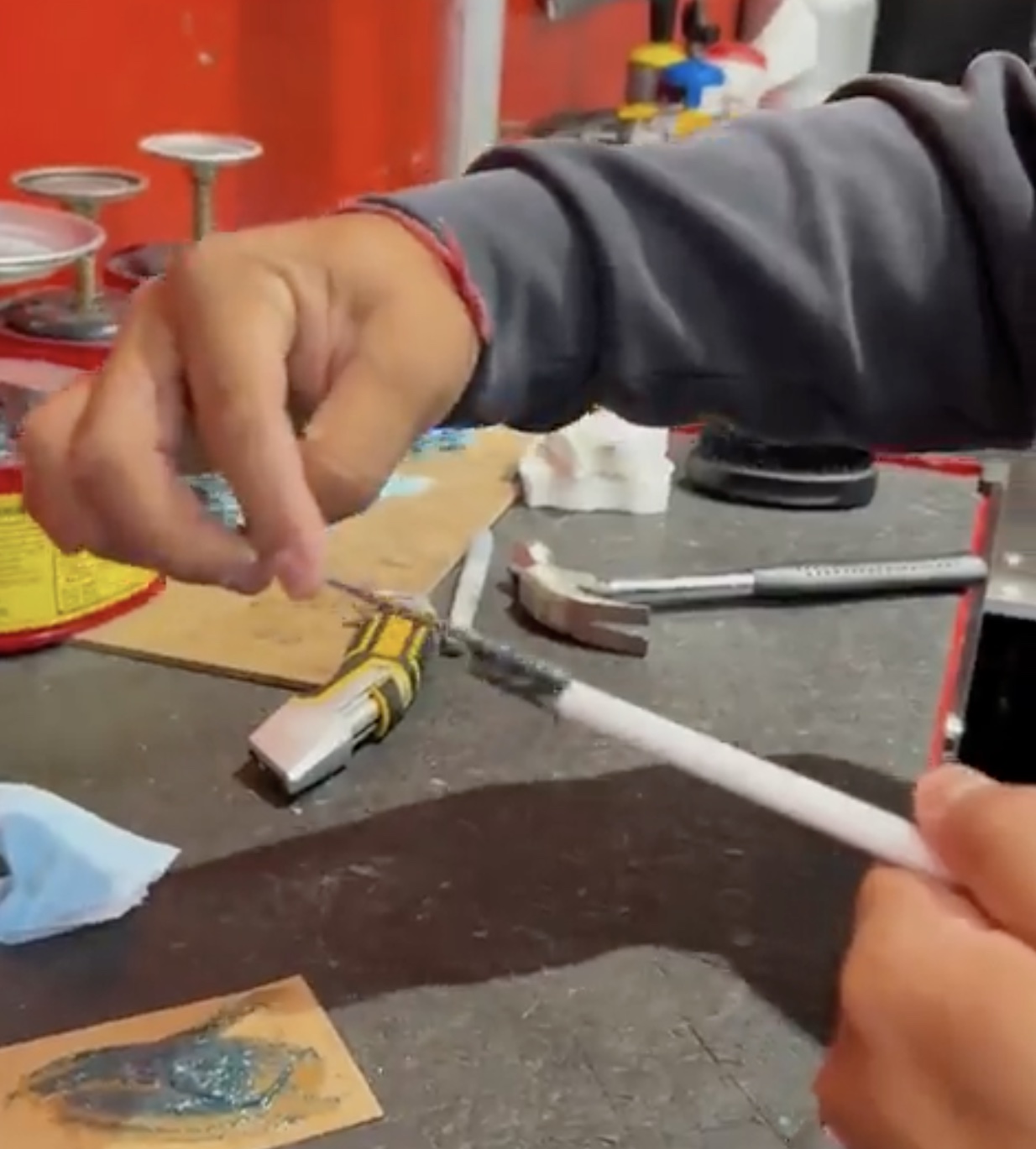
When installing a shaft, club builders use epoxy to secure it in the hosel. This adhesive is essential for stability, but if too much is applied, it can seep up the shaft.
Why is that a problem? Because golf shafts — especially graphite ones — are designed to be hollow, allowing energy to dissipate and the shaft to flex properly. When epoxy clogs the inner diameter, it creates a solid core at the tip, which increases the stress on the shaft during impact. Over time, this extra trauma weakens the shaft, making it more susceptible to breakage.
How to spot it: If you’ve had a club suddenly snap near the hosel, pull out the broken piece and check for hardened epoxy inside the shaft. If you see it, that could be your culprit.
Coning: The Overlooked Step That Matters
Before installing a graphite shaft, the hosel of the clubhead needs to be properly prepared — a process called coning. This involves removing any roughness, burrs, or slivers of metal inside the hosel that could grind against the shaft during play.
Skipping this step creates a hidden hazard. Even tiny bits of metal can act like sandpaper, gradually chewing away at the graphite fibers with each swing. Over time, this micro-abrasion weakens the shaft from the inside out, leading to unexpected snapping.
When having clubs reshafted, ask your builder if they cone the hosels. It’s a small step that can significantly extend the life of your shafts.
Bonus Tip: Temperature Matters
One more thing Kim and the team at KBS emphasized: temperature fluctuations can wreak havoc on club durability. Leaving your clubs in a hot car or exposing them to freezing temperatures can cause the epoxy to degrade and the shaft materials to weaken.
Treat your clubs like a decent bottle of wine—store them in a temperate environment.
Final Thoughts
Clubs snapping at the hosel might seem like bad luck or poor-quality gear, but more often than not, it’s the result of overlooked craftsmanship issues. With insights from Kim Braly and the team at KBS, it’s clear that proper sanding, avoiding epoxy overflow, and ensuring coned hosels are key to preventing shaft breakage.
So, if you’re tired of watching your clubs snap like dry twigs, consult with a trusted club builder. Your clubs—and your handicap—will thank you.
*Featured image via Reddit
*Additional images via KBS


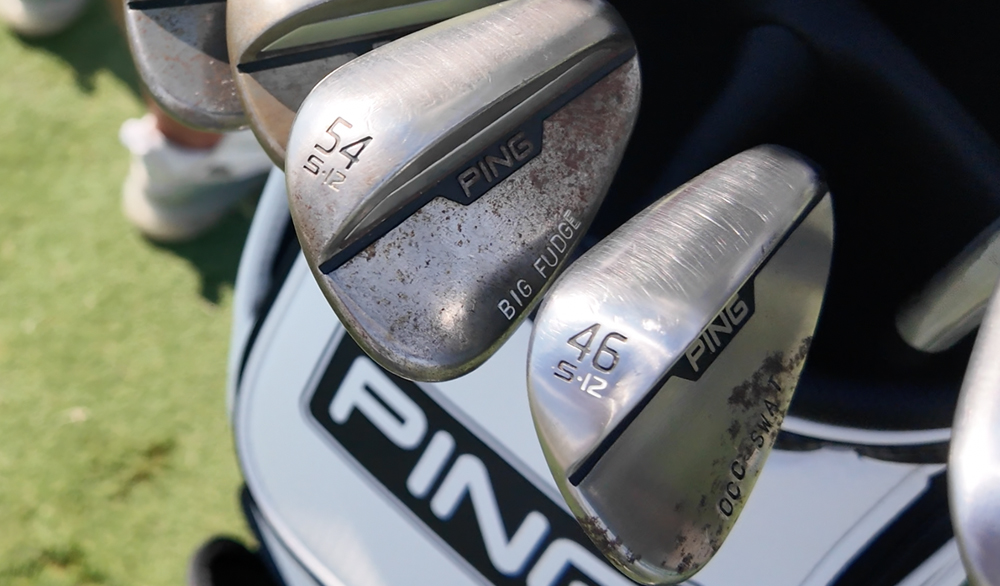
Neal Shipley was the first to admit that he enjoyed his food while in college. But since his days at Ohio State, he’s slimmed down and earned a PGA Tour Card.
That hasn’t stopped him from having fun with his wedge stampings, though it’s led to some misunderstandings.
On the 54 (degree), we have ‘Big Fudge,'” Shipley told GolfWRX. “It was supposed to be ‘Big Fridge,’ so this happened a little while ago. ‘Big Fridge’ was a nickname between my college teammates and I, with ‘fridge’ meaning stomach, a big stomach.
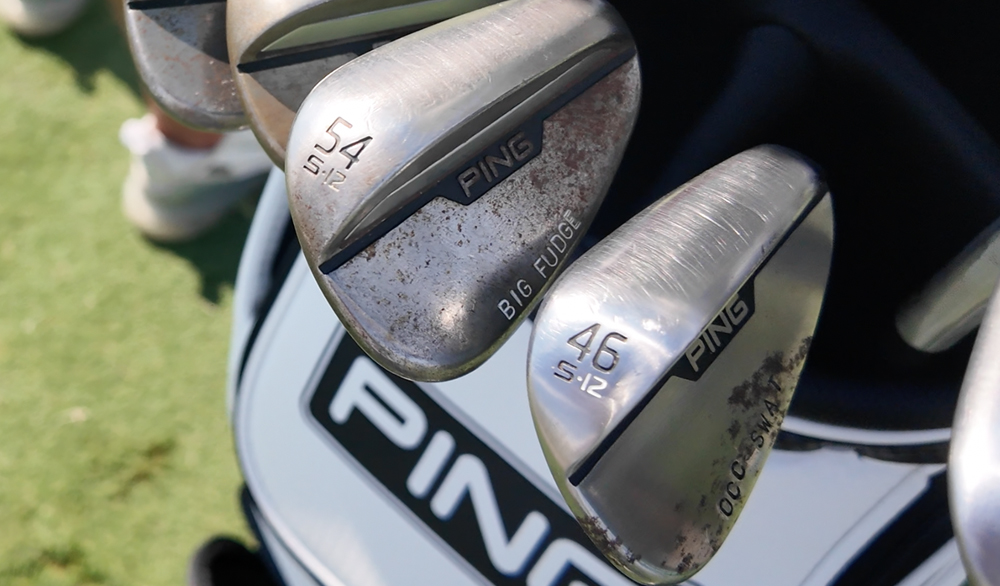
“We told the Ping guys to put … ‘Big Fridge’ on it, and I think maybe some bad cell service or something, and they thought I said ‘fudge,’ so they put fudge on it.”
On Shipley’s 50-degree he also continues the food theme, this time with his go-to order at the “Golden Arches,” and his stamping “DONS 7.”
“The number 7 meal, the two cheeseburger meal, that was my McDonald’s order, back when I would have McDonald’s frequently,” Shipley shared.

At GolfWRX, we are a community of like-minded individuals who all experience and express our enjoyment of the game in many ways.
It’s that sense of community that drives day-to-day interactions in the forums on topics that range from best driver to what marker you use to mark your ball. It even allows us to share another thing we all love – buying and selling equipment.
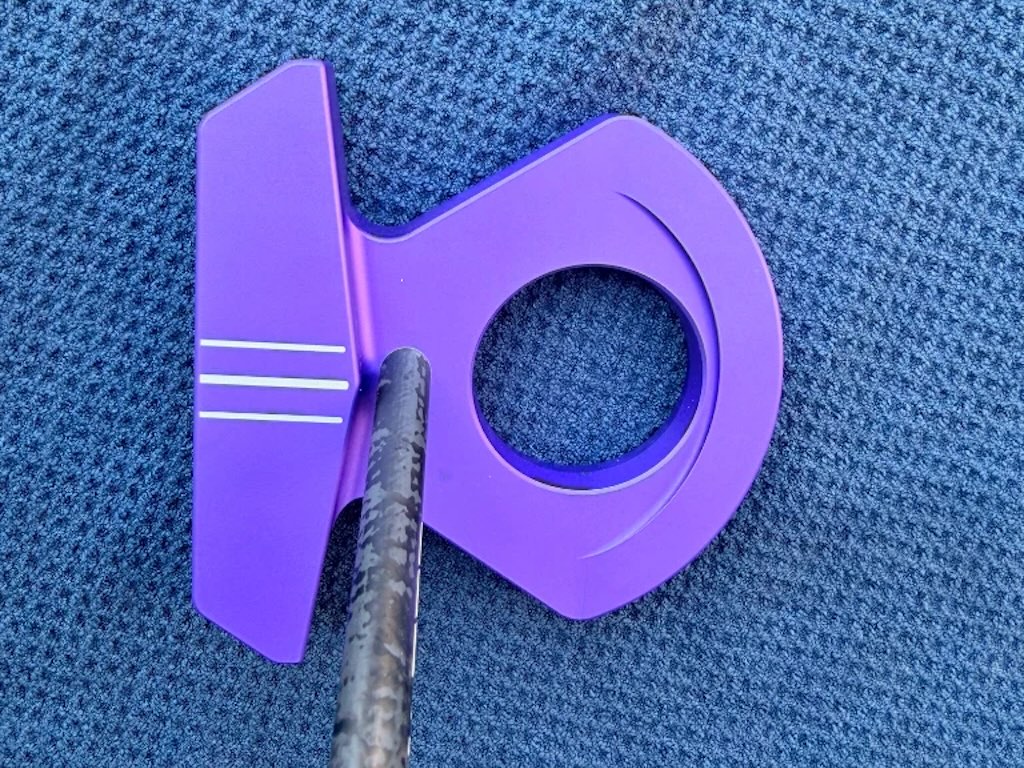
Currently, in our GolfWRX buy/sell/trade (BST) forum, @raw10628 has a L.A.B. DF3 putter and Masters putter cover up for grabs.
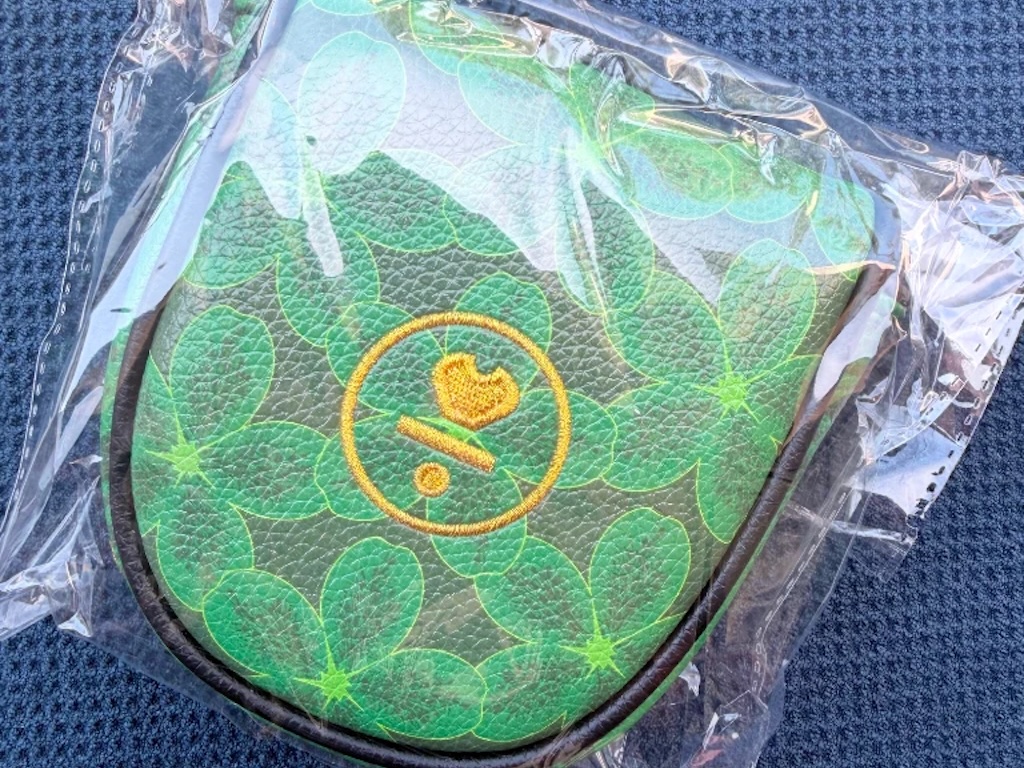
From the listing: “Some great items here today, time to thin out and make room for next set of gear. All prices include shipping.
LAB DF3 Purple 33.5” 68° lie with TPT – $725. LAB Masters release DF3 cover – $150.”
To check out the full listing in our BST forum, head through the link. If you are curious about the rules to participate in the BST Forum, you can learn more here: GolfWRX BST Rules

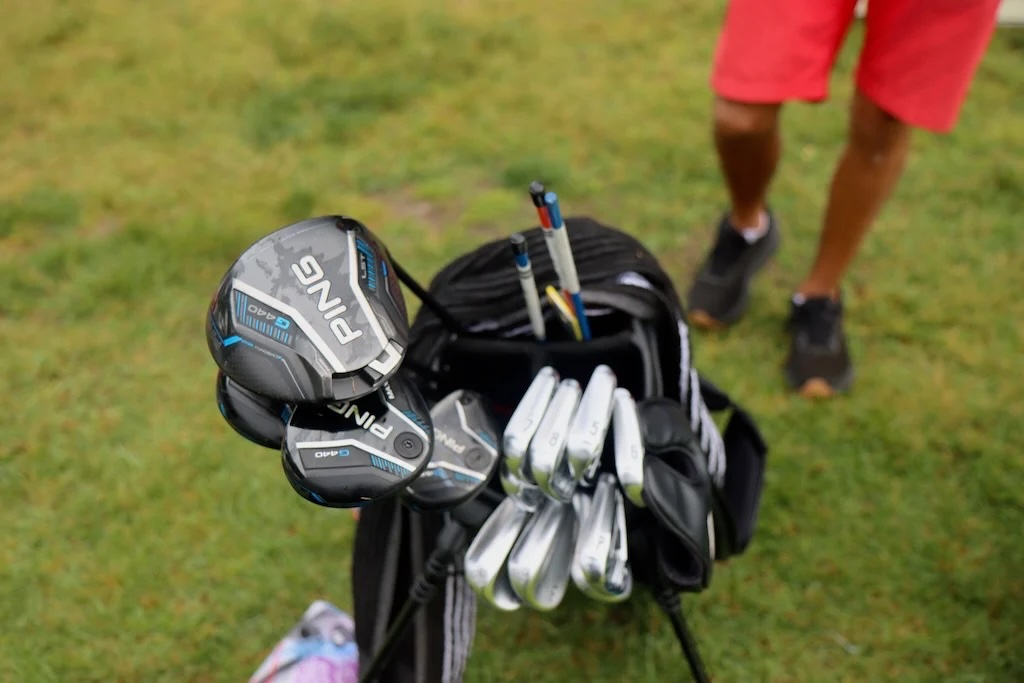
Driver: Ping G440 LST (9 degrees)
Shaft: Accra TourZ Green 5-M4
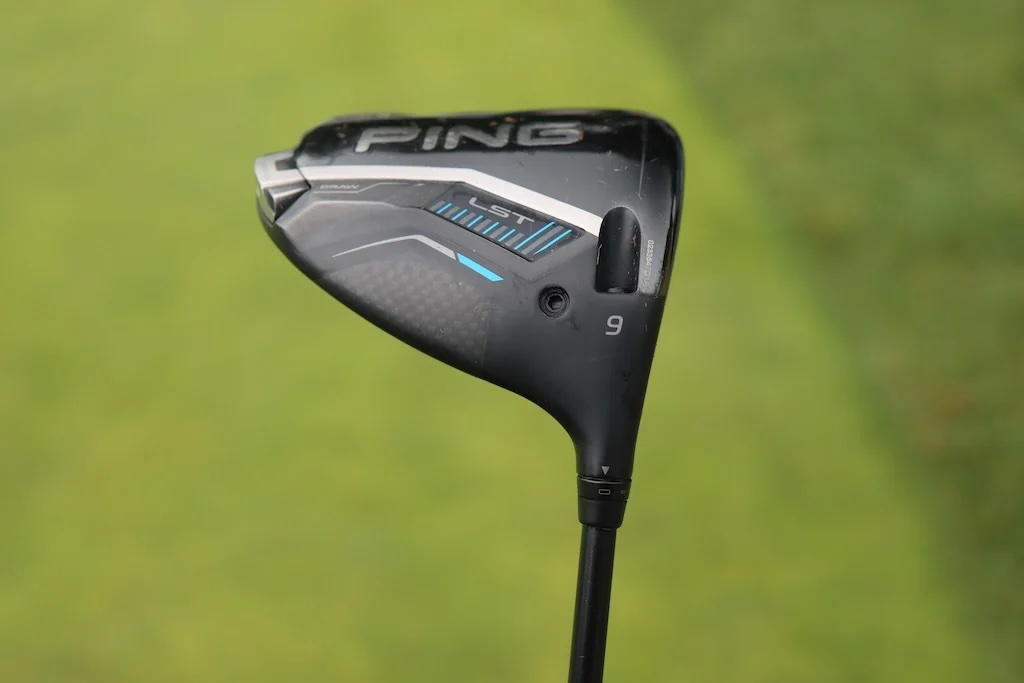
3-wood: Ping G440 Max (15 degrees)
Shaft: Accra TourZ Green 6-M4
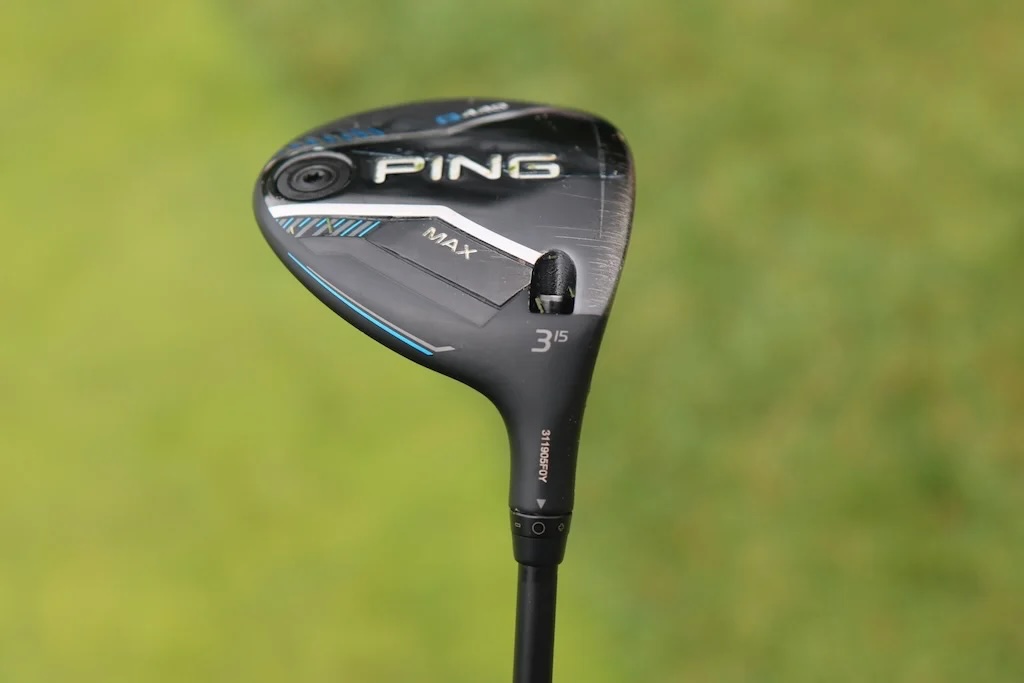
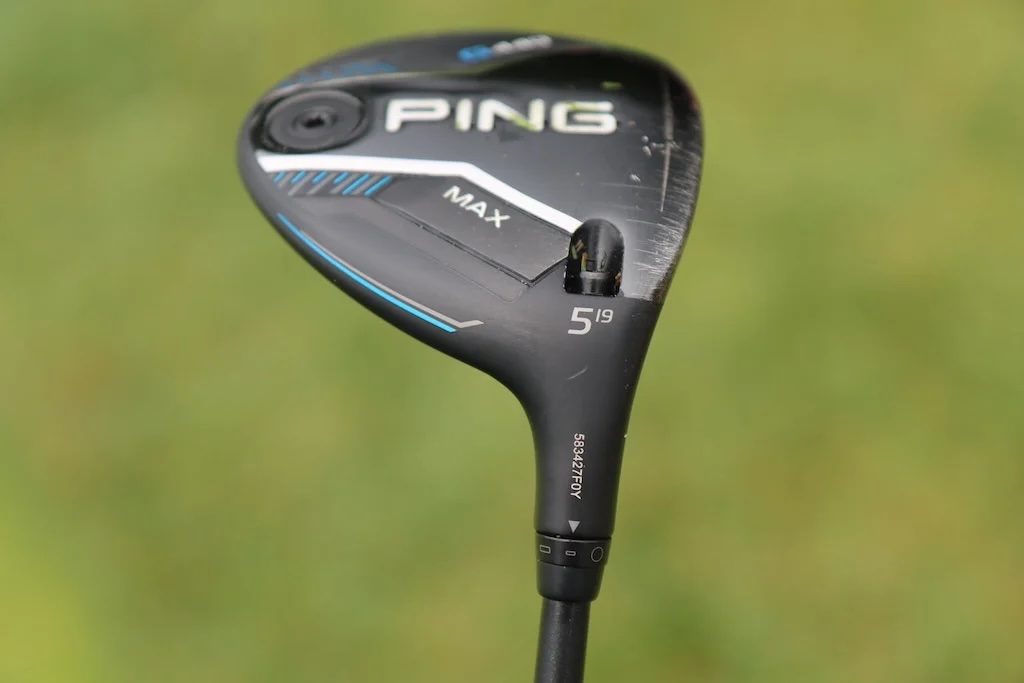
5-wood: Ping G440 Max (19 degrees @18)
Shaft: Accra TourZ Green 6-M4
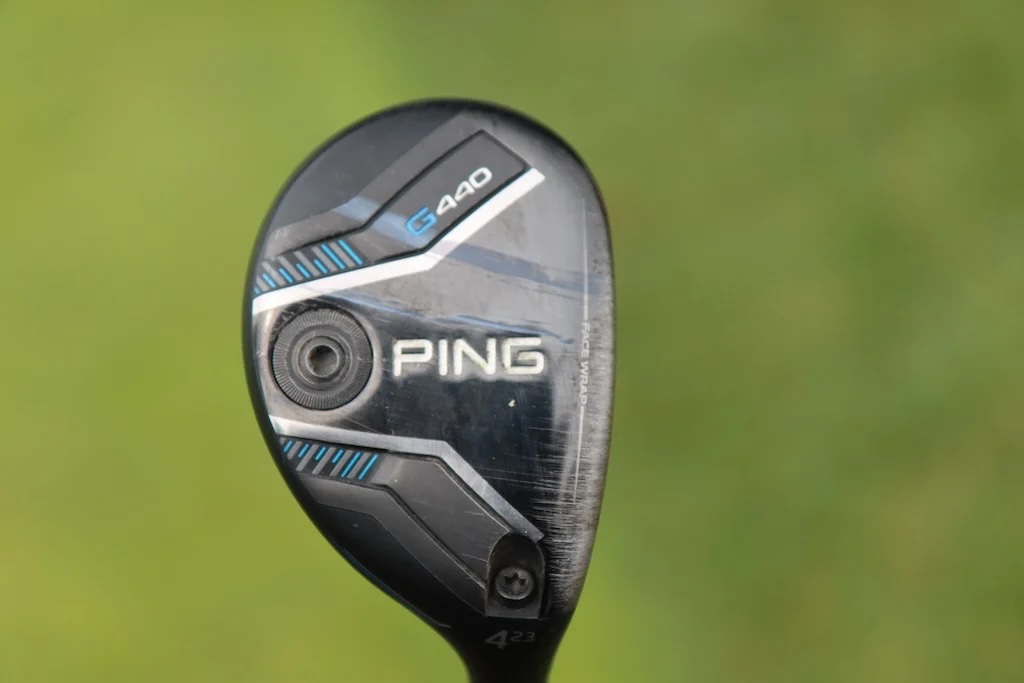
Hybrid: Ping G440 (23 degrees)
Shaft: Oban Isawa Red Hybrid Shaft 04 Flex 70 Gms
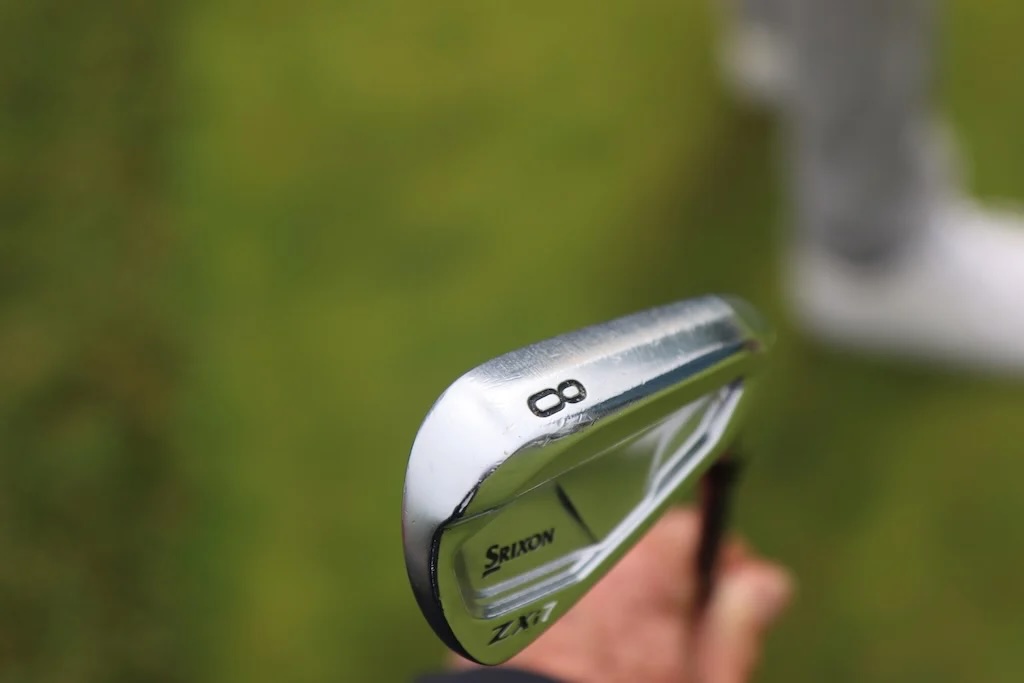
Irons: Srixon ZXi7 (5-P)
Shafts: Aerotech SteelFiber Private Reserve i80
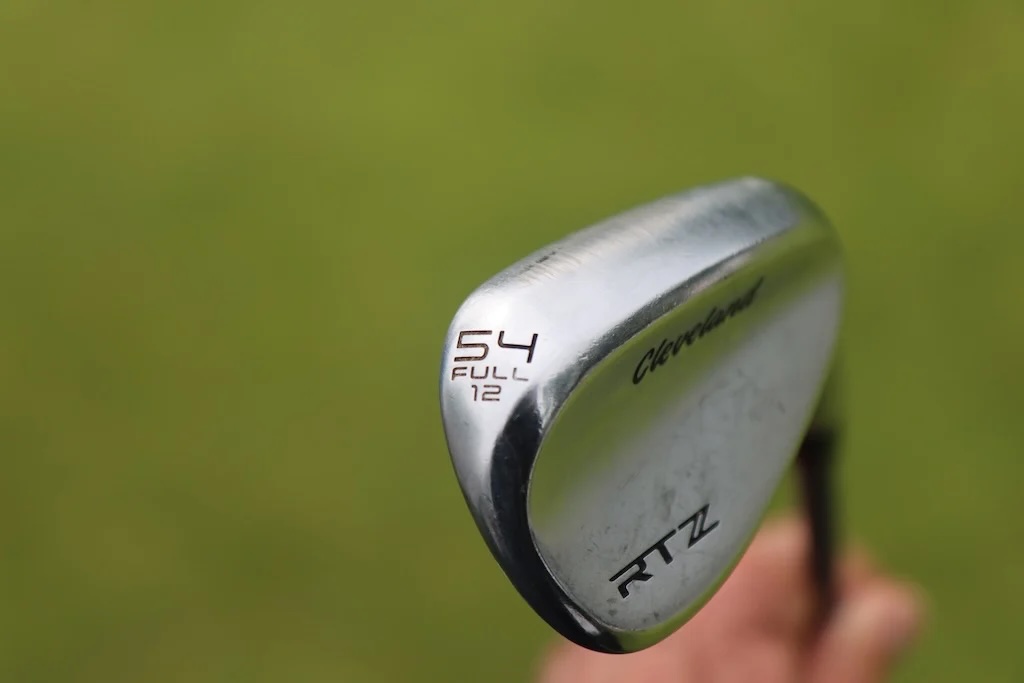
Wedges: Cleveland RTZ (50-MID, 54-FULL, 58-MID)
Shafts: Aerotech SteelFiber Private Reserve i105
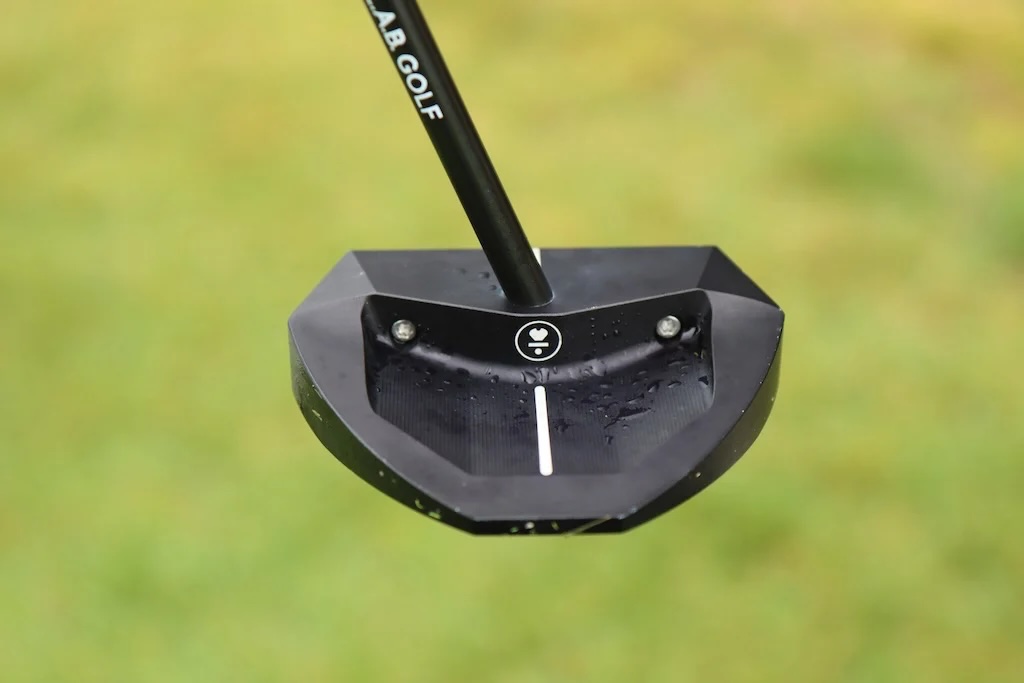
Putter: L.A.B. Golf OZ.1i
Shaft: ACCRA Putter Shaft
Grips: Golf Pride Tour Velvet

Aaron Rai’s winning WITB: 2026 PGA Championship

Russell Henley’s winning WITB: 2026 Charles Schwab Challenge

Photos from the 2026 CJ Cup Byron Nelson

CJ Cup Byron Nelson Tour Report: Koepka and Kim’s newest putters finally get hot

Charles Schwab Challenge Tour Report: MacIntyre, Åberg and Spaun all switch putters, TaylorMade launches new Spider

Details on J.J. Spaun’s surprise putter switch

GolfWRX Launch Report: 2026 Titleist GTS drivers

Photos from the 2026 Charles Schwab Challenge

PGA Championship Tour Report: Fitzpatrick, Koepka among big-name putter switches for Aronimink

Photos from the ShopRite LPGA


Maria Torres WITB 2026 (June)
Driver: Ping G440 LST (9 degrees) Shaft: Accra TourZ Green 5-M4 3-wood: Ping G440 Max (15 degrees) Shaft: Accra TourZ Green 6-M4 5-wood: Ping G440...


Eric Cole WITB 2026 (June)
Driver: PXG Lightning Tour Max (9 degrees) Shaft: Project X Titan Yellow 70 TX 3-wood: TaylorMade Qi4D (15 degrees) Shaft:...


Si Woo Kim WITB 2026 (May)
Driver: Callaway Quantum Triple Diamond (8.5 degrees) Shaft: Fujikura Ventus Black 6 X Mini driver: Callaway Paradym Ai Smoke Mini...


Wyndham Clark’s winning WITB: 2026 CJ Cup Byron Nelson
Driver: TaylorMade Qi4D (10.5 degrees) Shaft: Project X Titan Yellow 60 TX 3-wood: TaylorMade Qi4D Tour (15 degrees) Shaft: Project...

