
Equipment
Avian Golf: Is this the fitting system for the masses?


I have known Jay Turner of Avian/Red Bird for over 30 years. He built the first set of golf clubs I ever owned—it was a set of Red Birds, and if you grew up in Seattle around Jefferson Park or Rainier G&CC, you will know the name well. It was a big part of growing up in the Emerald City.
I’ll get back to Jay in a moment.
In this job, I have the opportunity to experience multiple fitting systems, theories, etc. Even to this day, the Ping Color Code fitting system is the only one I have gone through where my clubs came in and there are no tweaks needed. Literally none. Not sure if that’s psychological or brilliance on Ping’s part. I just know what I have experienced.
The game has changed since Ping color codes, with companies like TXG, True Spec, and Club Champion taking custom fitting to the next level—golf equipment customization has never been in a better spot. Some of the fitters out there like TXG’s Ian Fraser are absolute wizards at this stuff.
But what about getting it right for the person who won’t go to a fitter or lives in a town where there aren’t facilities around? Whether its logistics, financial constraints, or lack of interest, most golf consumers don’t get fit in any capacity. If you follow any of my content, you will know I believe that to be a serious problem.
So what’s the solution?
On a trip to Seattle a couple of years ago, I went in to see my old friend Jay, and he showed me his fitting system, and I must say: If there was an agnostic way to fit the masses (anyone, anywhere) this may be it. Now, is it to the level of nuance as a TXG or True Spec? No, it’s not. It’s not supposed to be. Different movies altogether.
The point here is this may be the way to get all golfers in the right ballpark (if not spot-on) in a way that is easy enough for the consumer to execute.
I could try and explain the system to you in my own words, but I thought it better to have Jay explain.
JW: Your fitting system was developed to fix what in the industry?
JT: To bring a scientifically based system to fitting that was based on stable, quantifiable elements that weren’t by opinion and guesswork to determine the optimum fit for all golfers.
We developed our fitting system to provide a biomechanically sound solution for length and lie angle (size) for golfers of all shapes and sizes, that could be applied in a systematic fashion that would provide solid fit for each individual golfer, facilitating an environment of sustainable improvement as a result.
I believe good teachers can teach, with that said, our job becomes one of our fitting players in a biomechanically sound way to accommodate their instruction and enable positive changes to movement patterns.
JW: What were the issues you saw?
JT: An abundance of anecdotal methods based on opinion and not science. They are predominantly swing based that are inconsistently interpreted, rely on trial and error, are based on flawed principles and judgment. There is a general lack of understanding with regard to length and lie angle throughout the industry and how it affects motion and efficiency.
JW: In comparison to now-popular fitting systems, what are the differences and how Is your system “better” in your opinion?
JT: Our system is different and better first and foremost, as it is based on science. It calculates a solution based on stable elements (individual physical dimensions). All other systems are trial, and error based, and subject to swing flaws and judgment. When you add in swing inconsistency, you have a recipe for guesswork. Our system provides a length and lie angle solution that addresses both vertical height as well as ball spacing. No other system systematically does this.
Also, how do you fit a player who’s never played using a swing-based method? You can’t. Our system can as we don’t need a swing.
JW: Explain your system soup to nuts
JT: Our system starts with YOU.
We determine your relevant physical measurements.
We enter them into our patented dimensional fitting system, which factors your measurements for proportional change, dynamic change, which occurs as one goes from address to impact, resulting in a balanced solution for length and lie angle, (size).
Our solution provides a size solution that will facilitate proper address posture, facilitating optimum swing motion, resulting in solid golf shots that go where intended.
Basically, an environment of sustainable improvement is created.
JW: Is your system better served for face to face or can you fit properly remotely?
JT: BOTH, our system works equally well in an in-person setting as well as a remote situation. Our system is dependent on precise measurements in both cases. In a face to face setting, length and lie angle are determined in less than two minutes, eliminating the trial and error associated with the “here, try this” guesswork that pervades the industry.
Face to face, our system leaves more time to determine the best club model, combination of irons, hybrids, and woods as well as shaft model, flex, etc.
In the remote setting, we are able to fit golfers on a global basis. They need an internet connection, a 36” yardstick, and 10 minutes of time to answer seven questions related to their physical size and 10 questions addressing their golf game and desires to provide the initial recommendation.
During the last three weeks of the pandemic, we’ve fit and shipped sets all over the globe—Washington, Argentina, UK, California, Hawaii, New York, Utah, Minnesota, Arizona, and Florida.
Proof of concept, regarding the remote viability of our system: Our system provides a consistent, scientifically based solution for length and lie that is totally free of subjectivity.
JW: What misinformation in the industry drove you to develop the system?
JT: Many factors drove me to develop our system, probably the biggest motivating factor was frustration that arose with the inconsistency and lack of understanding throughout the industry with regard to fitting length and lie (size) and its importance as it relates to individual performance.
Most manufacturers in the golf industry order and have clubs built before they even know who their customer is. This is a “one size or at best, a few sizes fits all” mentality, which is not an accurate picture of reality.
An analogy I use to explain this is, that of shoes, you could theoretically go out and buy the best running shoes made, but if you bought the wrong size and they didn’t fit, you would struggle and your effort would be less than your best
The same is true with golf clubs, if they don’t fit well, you are going to struggle. The exception being the majority of tour players, who have the capacity to intuitively make adjustments and make a less than optimum fit function. Still, this is not an optimum situation, the universal truth being, if it fits better, it will produce better results.
JW: Is it best served to irons and wedges?
JT: Both, as well as hybrids and fairway woods. With any club you hit off the ground, length and lie angle is critical. Correct length and lie angle become more important with regard to directional accuracy as loft increases, as compound angle increases. That said proper length and lie angle is very important for drivers as well as the optimum fit will create the best impact condition which will result in the most distance and best control.
Most drivers are too long, more clubhead speed is not the answer by itself. Longer length is shorter and less accurate, much of the time. If longer drivers were better, tour players would all be at 48”, they’re not.
JW: If you could add more to your system what would it be?
JT: A way to guarantee the accuracy of the answers. Accurate answers equal precise fits.
Also, a greater understanding of the importance of correct length and lie angle and its relationship to better performance.
If players are fit better, they play better, and they will have the capacity to improve. I’ve seen this firsthand over the past 40 years. Golf is a difficult game, and it becomes infinitely more difficult when one’s equipment doesn’t fit properly.
JW: What common flaw in the fit of a club do you commonly see? Lie angle? Length?
JT: Too heavy a reliance on lie angle without enough consideration of length. Ball spacing is compromised as a result. Clubs with incorrect length, create all kinds of swing flaws and inconsistency.
If the size is wrong, a difficult game becomes infinitely harder, golfers have less fun, they quit, play drops and the game shrinks.
Sadly, conversations revolving around the importance of proper length and lie angle, are not as sexy as the “7-iron with 4 iron loft,” that produces the occasional 195-yard shot, or the latest driver designed with ai or speed injected faces, magic thermoplastic inserts, etc. The battle is one of awareness as to what really is relevant.
Hopefully, this can shine some light on something that’s critically important and often overlooked. If we can help golfers enjoy the game more, we’ve succeeded.
—–
Interesting take from a person I know and respect. Do I agree with everything he says? No. But there is a version of this that could really help the consumers, especially at retail. JT is onto something here—that much I’m certain of.


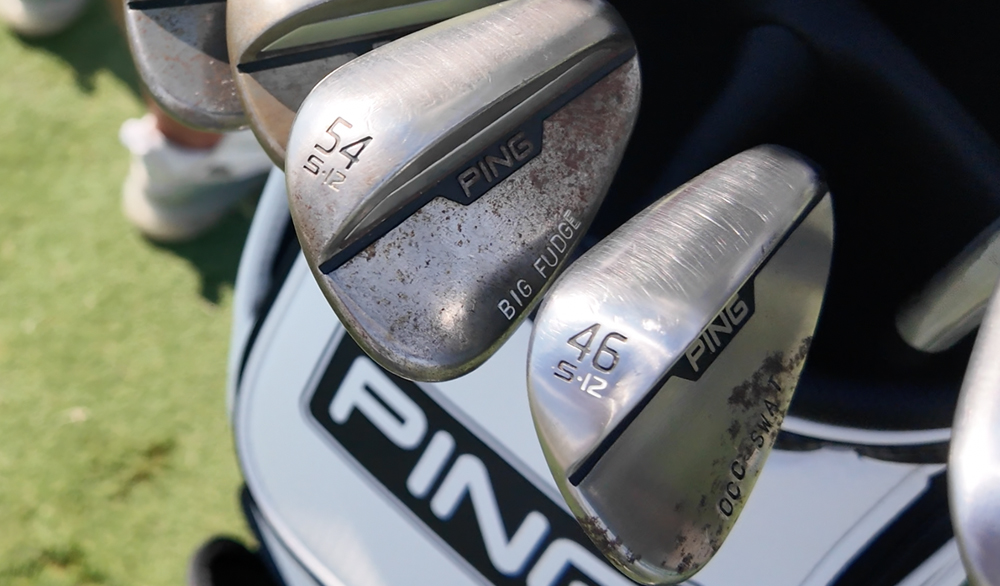
Neal Shipley was the first to admit that he enjoyed his food while in college. But since his days at Ohio State, he’s slimmed down and earned a PGA Tour Card.
That hasn’t stopped him from having fun with his wedge stampings, though it’s led to some misunderstandings.
On the 54 (degree), we have ‘Big Fudge,'” Shipley told GolfWRX. “It was supposed to be ‘Big Fridge,’ so this happened a little while ago. ‘Big Fridge’ was a nickname between my college teammates and I, with ‘fridge’ meaning stomach, a big stomach.
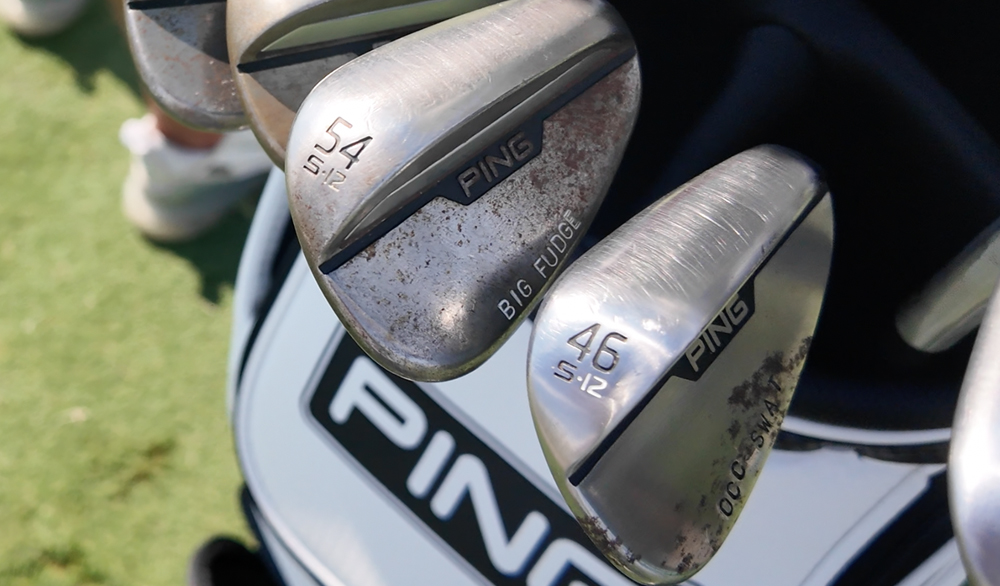
“We told the Ping guys to put … ‘Big Fridge’ on it, and I think maybe some bad cell service or something, and they thought I said ‘fudge,’ so they put fudge on it.”
On Shipley’s 50-degree he also continues the food theme, this time with his go-to order at the “Golden Arches,” and his stamping “DONS 7.”
“The number 7 meal, the two cheeseburger meal, that was my McDonald’s order, back when I would have McDonald’s frequently,” Shipley shared.

At GolfWRX, we are a community of like-minded individuals who all experience and express our enjoyment of the game in many ways.
It’s that sense of community that drives day-to-day interactions in the forums on topics that range from best driver to what marker you use to mark your ball. It even allows us to share another thing we all love – buying and selling equipment.
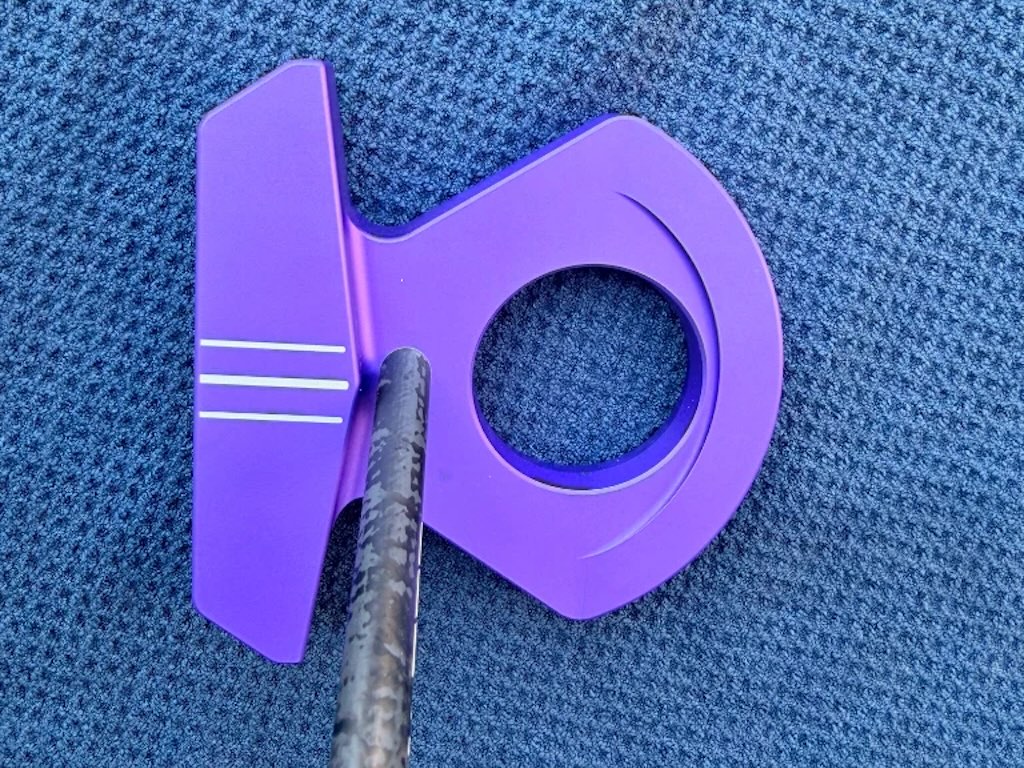
Currently, in our GolfWRX buy/sell/trade (BST) forum, @raw10628 has a L.A.B. DF3 putter and Masters putter cover up for grabs.

From the listing: “Some great items here today, time to thin out and make room for next set of gear. All prices include shipping.
LAB DF3 Purple 33.5” 68° lie with TPT – $725. LAB Masters release DF3 cover – $150.”
To check out the full listing in our BST forum, head through the link. If you are curious about the rules to participate in the BST Forum, you can learn more here: GolfWRX BST Rules


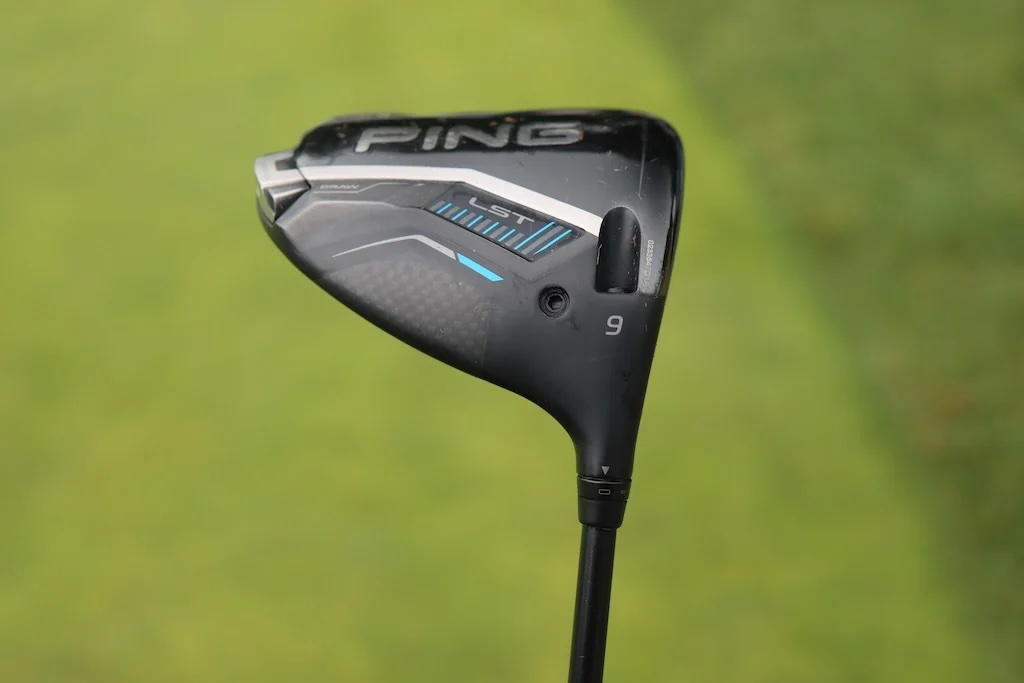
Driver: Ping G440 LST (9 degrees)
Shaft: Accra TourZ Green 5-M4
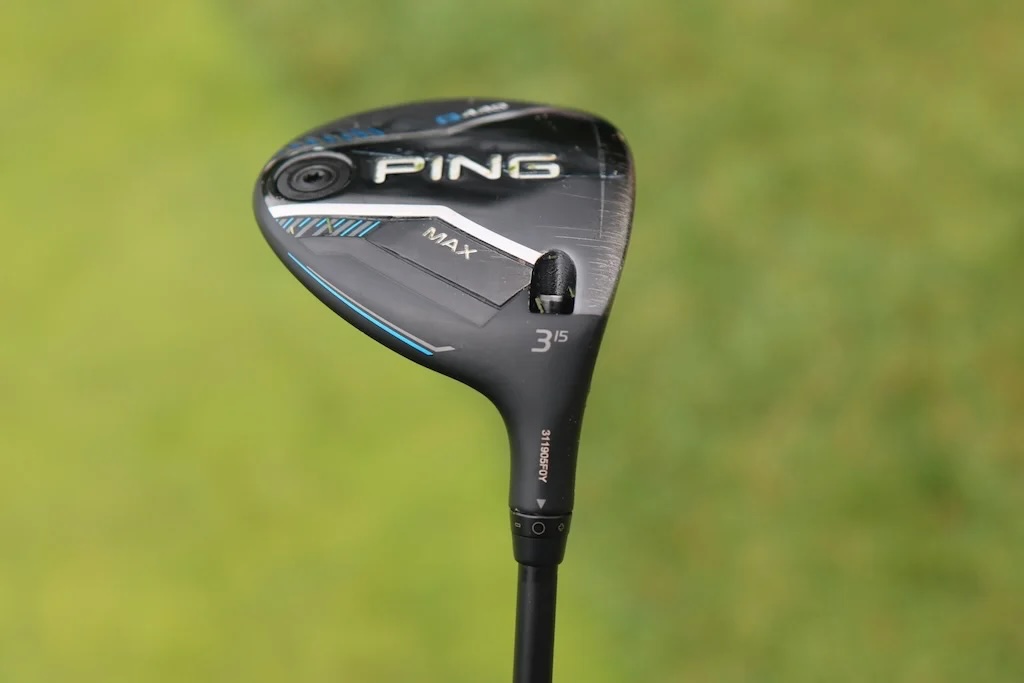
3-wood: Ping G440 Max (15 degrees)
Shaft: Accra TourZ Green 6-M4
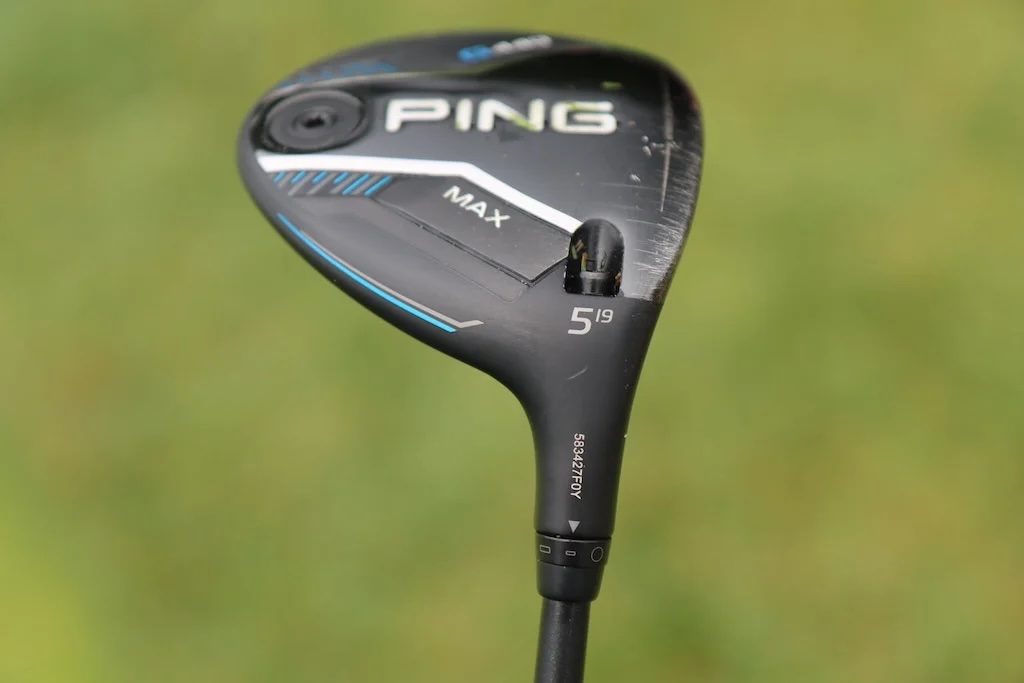
5-wood: Ping G440 Max (19 degrees @18)
Shaft: Accra TourZ Green 6-M4
Hybrid: Ping G440 (23 degrees)
Shaft: Oban Isawa Red Hybrid Shaft 04 Flex 70 Gms

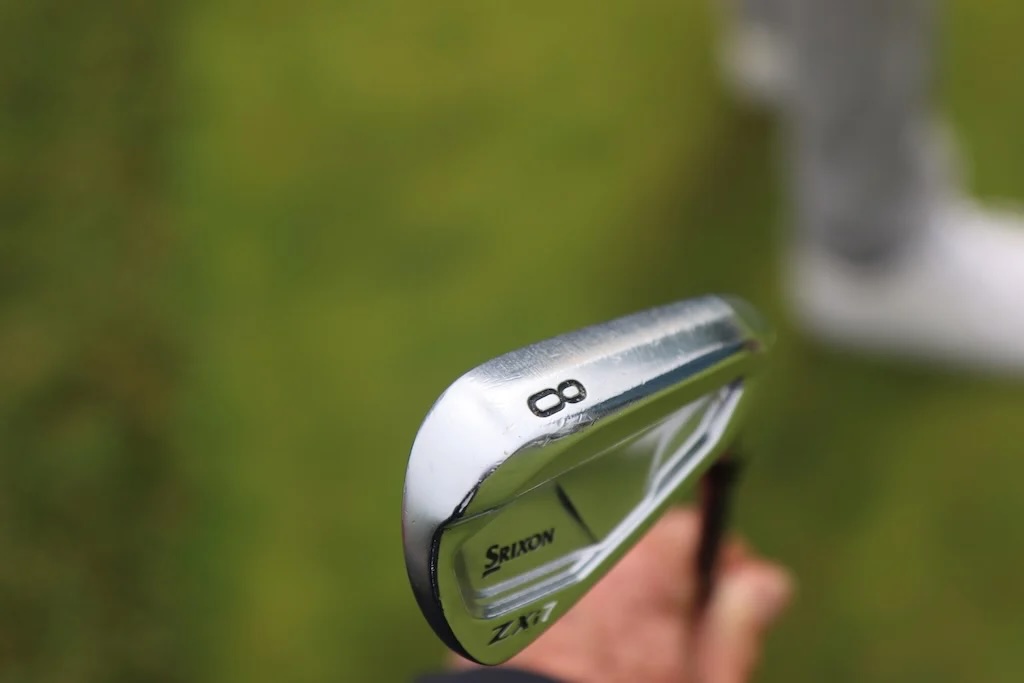
Irons: Srixon ZXi7 (5-P)
Shafts: Aerotech SteelFiber Private Reserve i80
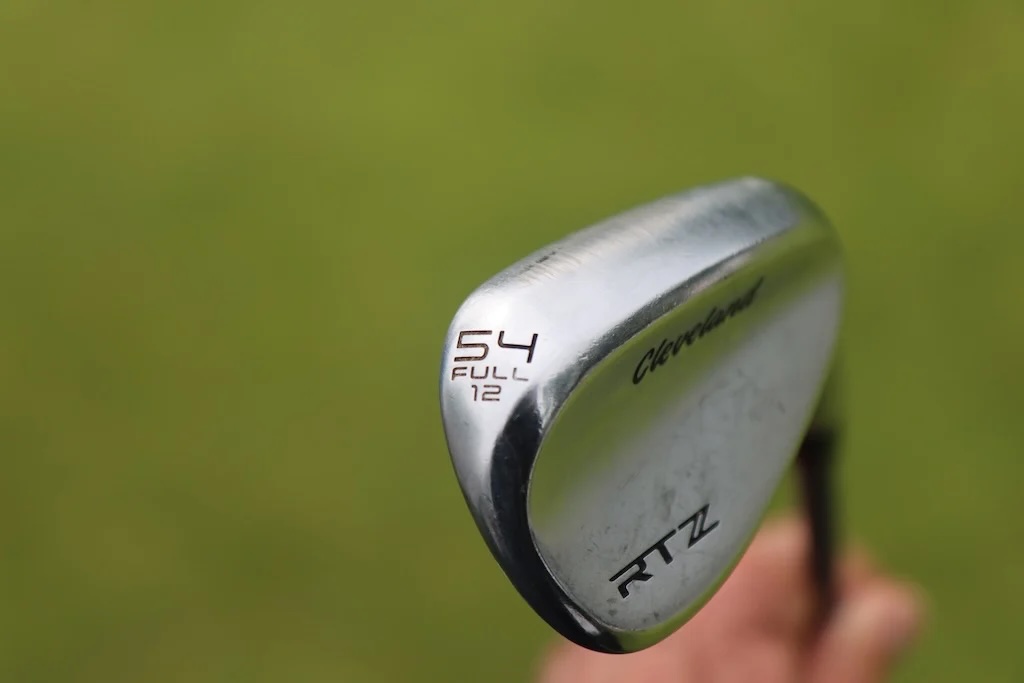
Wedges: Cleveland RTZ (50-MID, 54-FULL, 58-MID)
Shafts: Aerotech SteelFiber Private Reserve i105
Putter: L.A.B. Golf OZ.1i
Shaft: ACCRA Putter Shaft
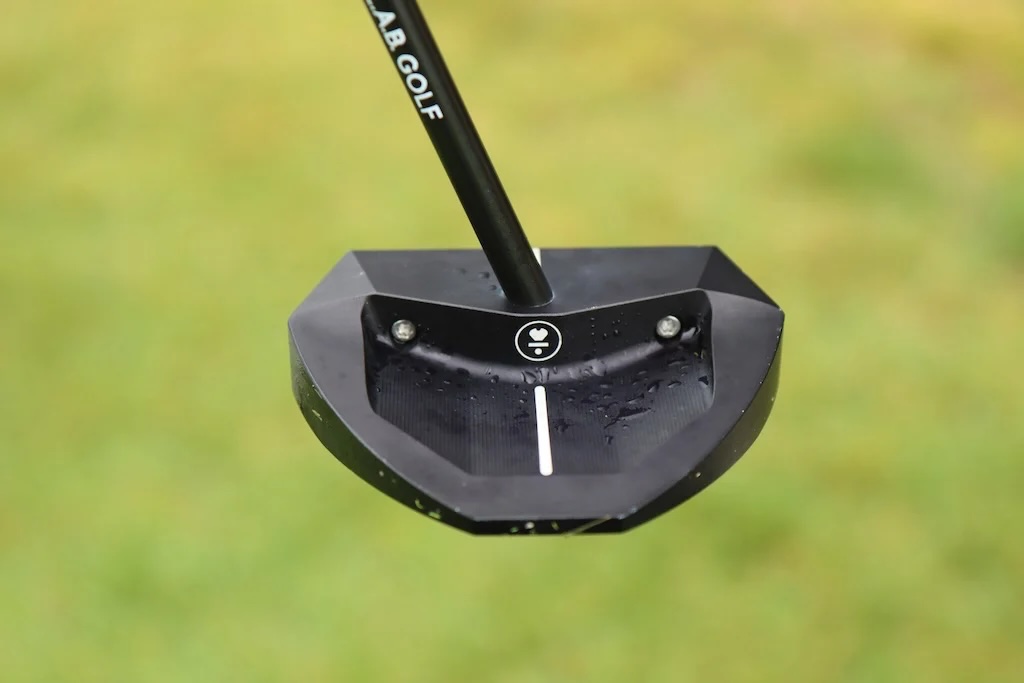
Grips: Golf Pride Tour Velvet

Aaron Rai’s winning WITB: 2026 PGA Championship

Russell Henley’s winning WITB: 2026 Charles Schwab Challenge

Photos from the 2026 CJ Cup Byron Nelson

CJ Cup Byron Nelson Tour Report: Koepka and Kim’s newest putters finally get hot

Charles Schwab Challenge Tour Report: MacIntyre, Åberg and Spaun all switch putters, TaylorMade launches new Spider

Details on J.J. Spaun’s surprise putter switch

GolfWRX Launch Report: 2026 Titleist GTS drivers

Photos from the 2026 Charles Schwab Challenge

PGA Championship Tour Report: Fitzpatrick, Koepka among big-name putter switches for Aronimink

Photos from the ShopRite LPGA


Maria Torres WITB 2026 (June)
Driver: Ping G440 LST (9 degrees) Shaft: Accra TourZ Green 5-M4 3-wood: Ping G440 Max (15 degrees) Shaft: Accra TourZ Green 6-M4 5-wood: Ping G440...


Eric Cole WITB 2026 (June)
Driver: PXG Lightning Tour Max (9 degrees) Shaft: Project X Titan Yellow 70 TX 3-wood: TaylorMade Qi4D (15 degrees) Shaft:...


Si Woo Kim WITB 2026 (May)
Driver: Callaway Quantum Triple Diamond (8.5 degrees) Shaft: Fujikura Ventus Black 6 X Mini driver: Callaway Paradym Ai Smoke Mini...


Wyndham Clark’s winning WITB: 2026 CJ Cup Byron Nelson
Driver: TaylorMade Qi4D (10.5 degrees) Shaft: Project X Titan Yellow 60 TX 3-wood: TaylorMade Qi4D Tour (15 degrees) Shaft: Project...


Ac
Jun 13, 2020 at 11:50 pm
Redbird creates an outstanding product. On par with the best forging a out there. I’ve had a couple of sets over the years and have always been impressed.
David
Jun 13, 2020 at 2:49 pm
Red bird (Jay and Brandon) are awesome. If I need any work on my clubs I always take it to them. The knowledge and understanding of my swing and needs are top level!