
Equipment
GolfWRX Archives: Economics of an independent club builder

The golf season is slowly gearing up, and the next step many are taking is getting their clubs tuned up and dialed in. Whether it be new grips, lie and loft checks, or getting into the nitty-gritty details of a launch monitor gapping session, it’s a mad rush to be ready for the first tee shot.
With so much of this work being done by smaller companies or local club builders, I wanted to revisit a piece I wrote around this time last year that showcases the economics that smaller shops face since a large part of the discussion often revolves around price.
The Economics of an Independent Club Builder
I build clubs, not a ton, but for a one-person operation, I keep very busy during the season. I work on clubs for people locally, help a couple of the local golf courses get work done quickly for members, and I do a lot of my own tinkering (which I acknowledge is akin to if Walter White was also his own biggest customer).
What I have noticed over the last few years when talking to, or reading about, golfers inquiring about having work done, is the great discussion and sometimes misinformation about the cost associated with club work. From high-end custom club fitting, to just a simple repair or grip change, there’s a lot of confusion. This is a constant topic here on GolfWRX with many of the same replies being summarized by
“No way a (insert club or repair job) should cost that much! It’s an easy thing to do with a torch, a vice and some epoxy.”
I’m not saying building clubs isn’t relatively simple, heck it’s my goal to try and teach people how to do it and better understand it, but when it comes to doing things right and making sure the specs are just as they should be, well that’s an entirely different story.
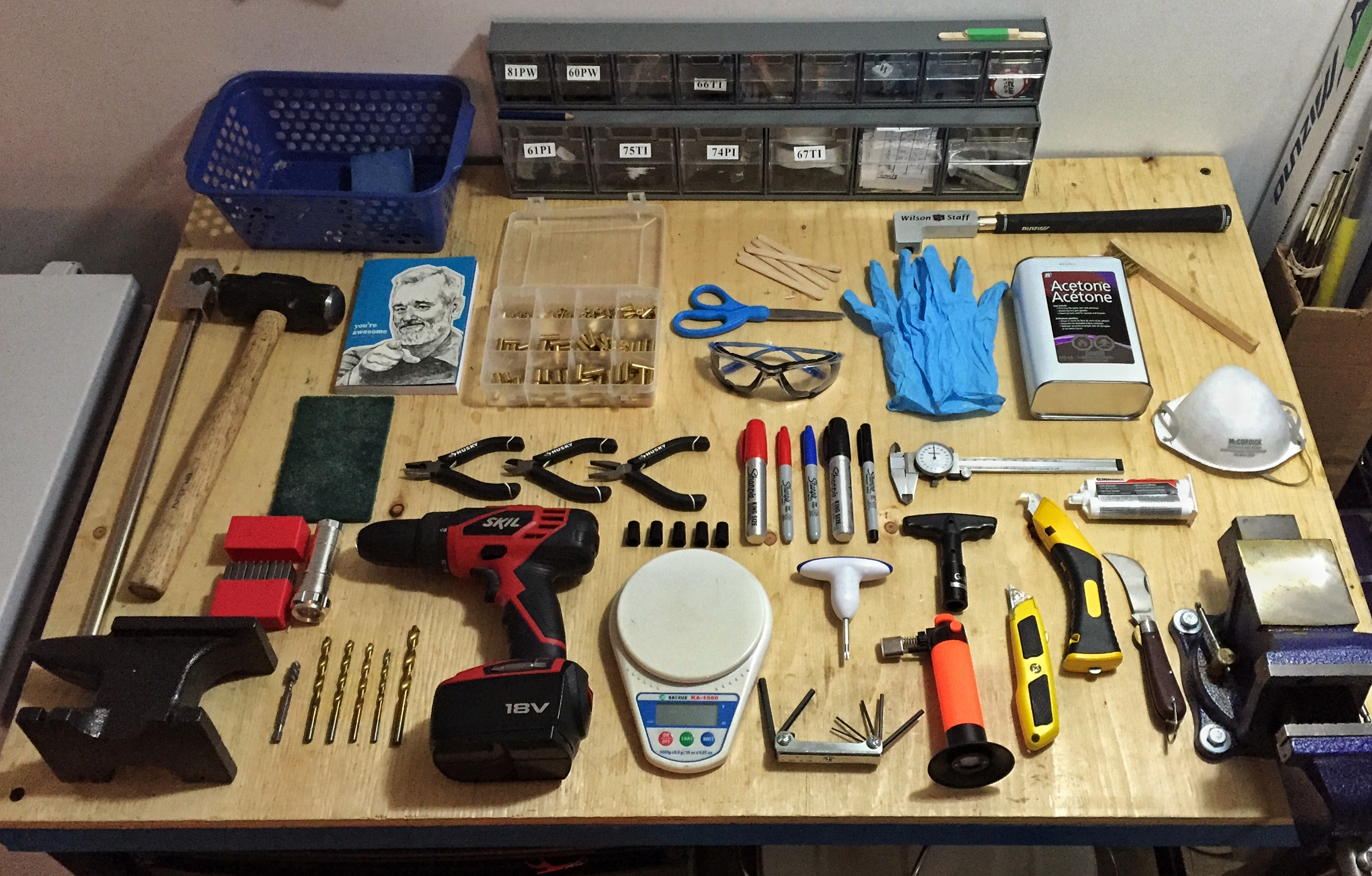
To properly equip a shop with all the tools required to take on any club building task aside from grinding wedges and milling putters, the cost is roughly $5,000 for proper top-of-the-line gear including safety equipment — not an over-the-top investment, but something that is mostly beyond the average hobbyist. I’m lucky in that I’ve never relied on building clubs (as an independent builder) as my only source of income and slowly built up my vast collection of tools, some of which I’ve had for over 15 years.
My argument for the cost of any repair is quite simple: The club builder needs to be able to make a reasonable profit (not a bad word) based on the time associated with completing the task, which is essentially the MO for any individual or business.
I compare it to getting an oil change: Do I know how to do it? Yes. Do I have the ability to get all the required tools? Yes. Does it take a relatively short amount of time to do it by a trained professional? Yes. Do I want to get under my car to do it? Absolutely not!
Same can be applied for the building of a set either from scratch or with previously used parts (which is WAY worse and actually takes longer by the way) pulling and gluing steel taper tip golf shafts isn’t really a big deal but here are the things many people fail to consider
- Getting head weights right to make sure swing weight, or in some cases MOI, match the desired spec.
- Cutting to the exact length and potentially accounting for grip cap length
- Having on hand the proper tools do the prep work including disposables like sanding belts, buffing pads etc.
- Stocking ferrules in a variety of sizes for different clubs
- Epoxy – making sure to have relatively “fresh” quality stuff on hand — a single tube of 3M can run over $25 alone
- Grip tape
- Solvent, and catch tray or actual gripping station
- Final lie loft – making sure to leave as few marks as possible
Let’s consider one of the most common repairs: a broken wedge shaft (I don’t ask questions about how things get broken)
For a small shop that might not carry a lot (if any) shaft inventory, something as common as a True Temper Dynamic Gold is $24 from a supplier like GolfWorks, add on a single grip, say, Golf Pride Tour Velvet ($5), you’re almost at $30 COST. Now, if we consider that there is potential for a 15 percent savings if the shop gets a “dealer” discount, we’re still looking at just under $25 before tax. You add shipping onto that and time, it’s understandable that this is going to be at least a $50 repair.
Yes, you can get new previous model wedges for around $100, but they have the opportunity to buy at HUGE volume as an OEM, that’s the difference. Small shops need to be able to cover costs and make a small profit to exist. Prices might seem high compared to buying a new full club as a single unit, but you are truly supporting a small business.


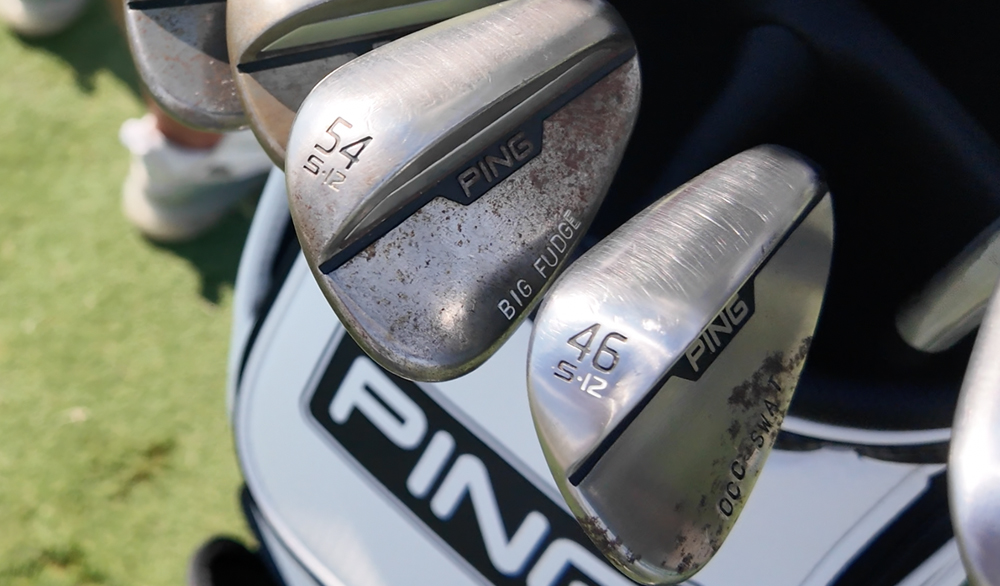
Neal Shipley was the first to admit that he enjoyed his food while in college. But since his days at Ohio State, he’s slimmed down and earned a PGA Tour Card.
That hasn’t stopped him from having fun with his wedge stampings, though it’s led to some misunderstandings.
On the 54 (degree), we have ‘Big Fudge,'” Shipley told GolfWRX. “It was supposed to be ‘Big Fridge,’ so this happened a little while ago. ‘Big Fridge’ was a nickname between my college teammates and I, with ‘fridge’ meaning stomach, a big stomach.
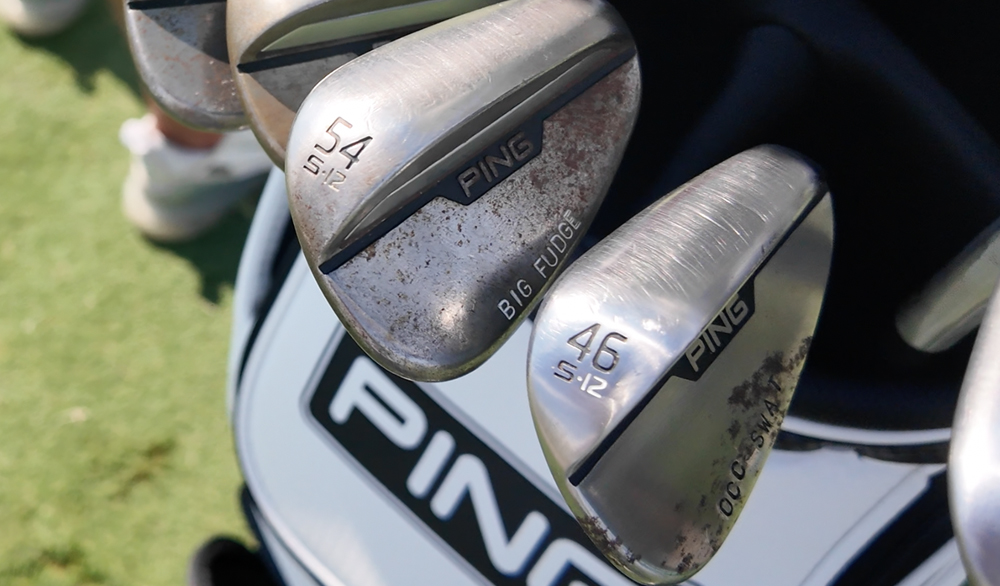
“We told the Ping guys to put … ‘Big Fridge’ on it, and I think maybe some bad cell service or something, and they thought I said ‘fudge,’ so they put fudge on it.”
On Shipley’s 50-degree he also continues the food theme, this time with his go-to order at the “Golden Arches,” and his stamping “DONS 7.”
“The number 7 meal, the two cheeseburger meal, that was my McDonald’s order, back when I would have McDonald’s frequently,” Shipley shared.

At GolfWRX, we are a community of like-minded individuals who all experience and express our enjoyment of the game in many ways.
It’s that sense of community that drives day-to-day interactions in the forums on topics that range from best driver to what marker you use to mark your ball. It even allows us to share another thing we all love – buying and selling equipment.
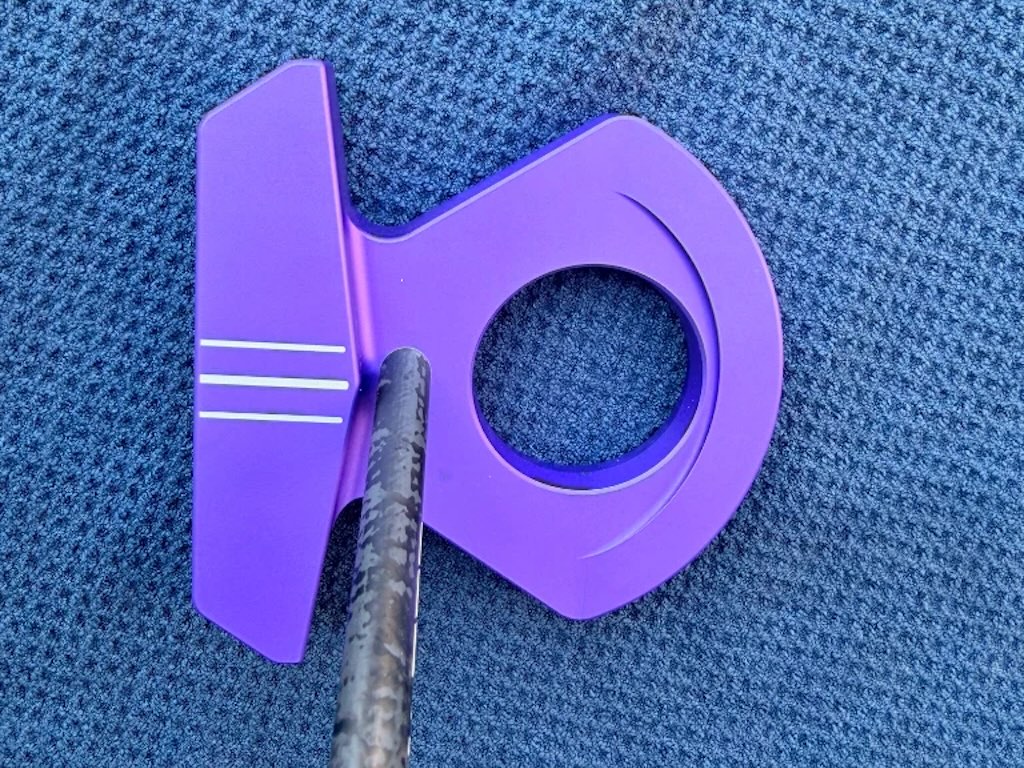
Currently, in our GolfWRX buy/sell/trade (BST) forum, @raw10628 has a L.A.B. DF3 putter and Masters putter cover up for grabs.

From the listing: “Some great items here today, time to thin out and make room for next set of gear. All prices include shipping.
LAB DF3 Purple 33.5” 68° lie with TPT – $725. LAB Masters release DF3 cover – $150.”
To check out the full listing in our BST forum, head through the link. If you are curious about the rules to participate in the BST Forum, you can learn more here: GolfWRX BST Rules

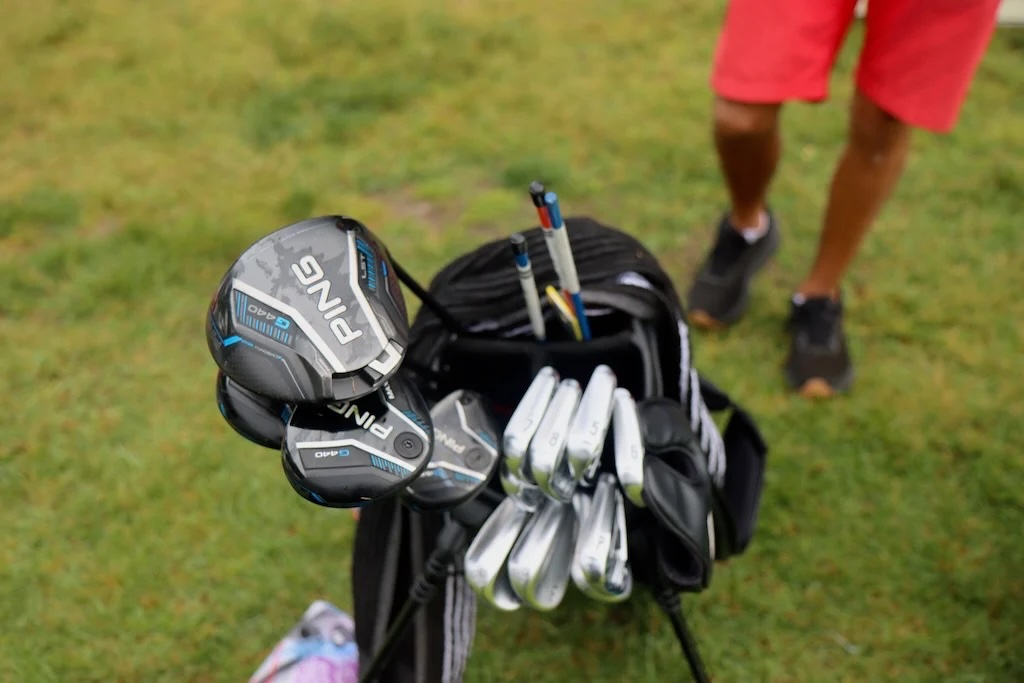
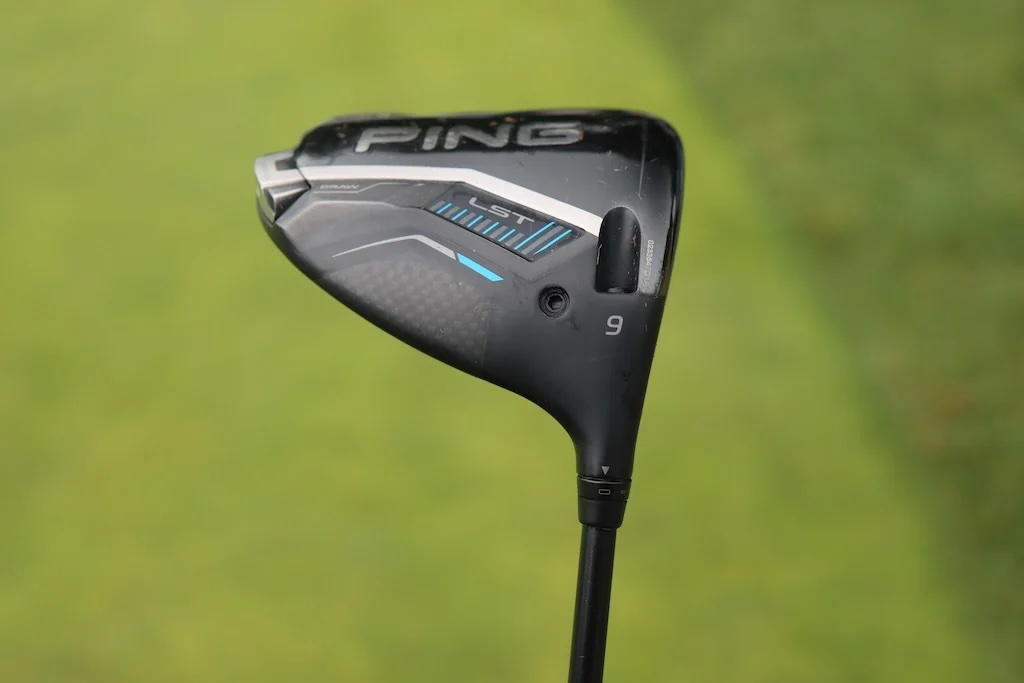
Driver: Ping G440 LST (9 degrees)
Shaft: Accra TourZ Green 5-M4
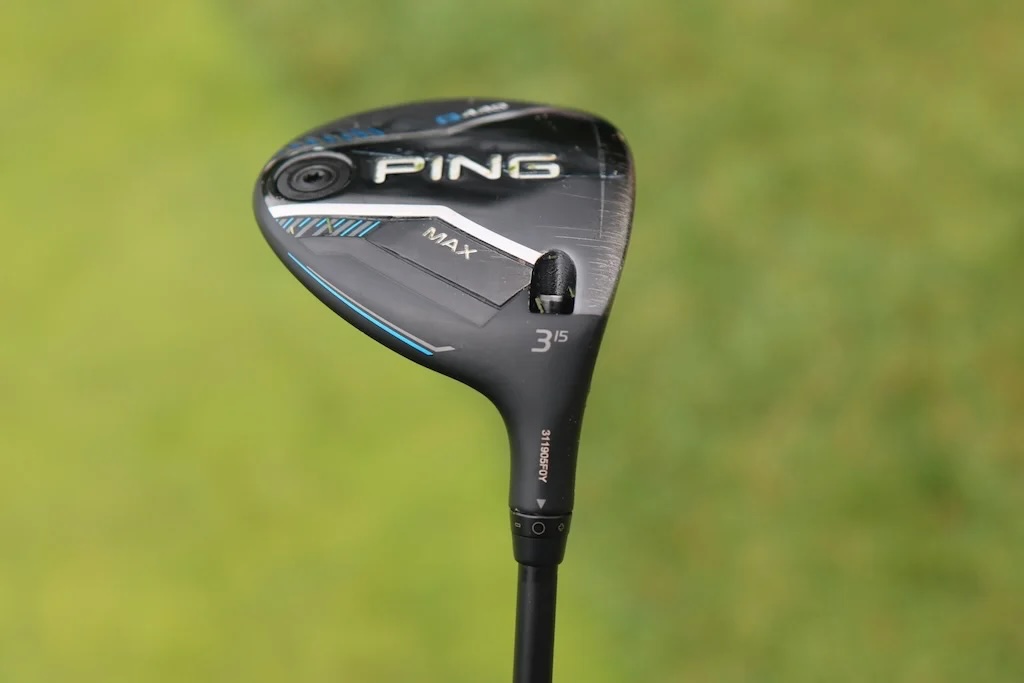
3-wood: Ping G440 Max (15 degrees)
Shaft: Accra TourZ Green 6-M4
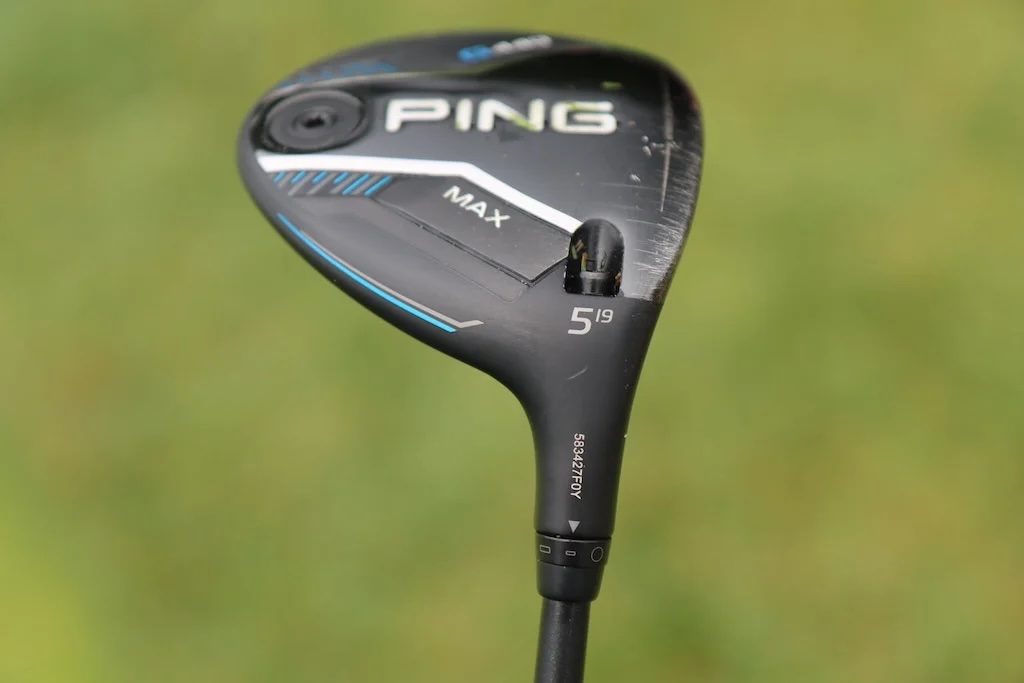
5-wood: Ping G440 Max (19 degrees @18)
Shaft: Accra TourZ Green 6-M4
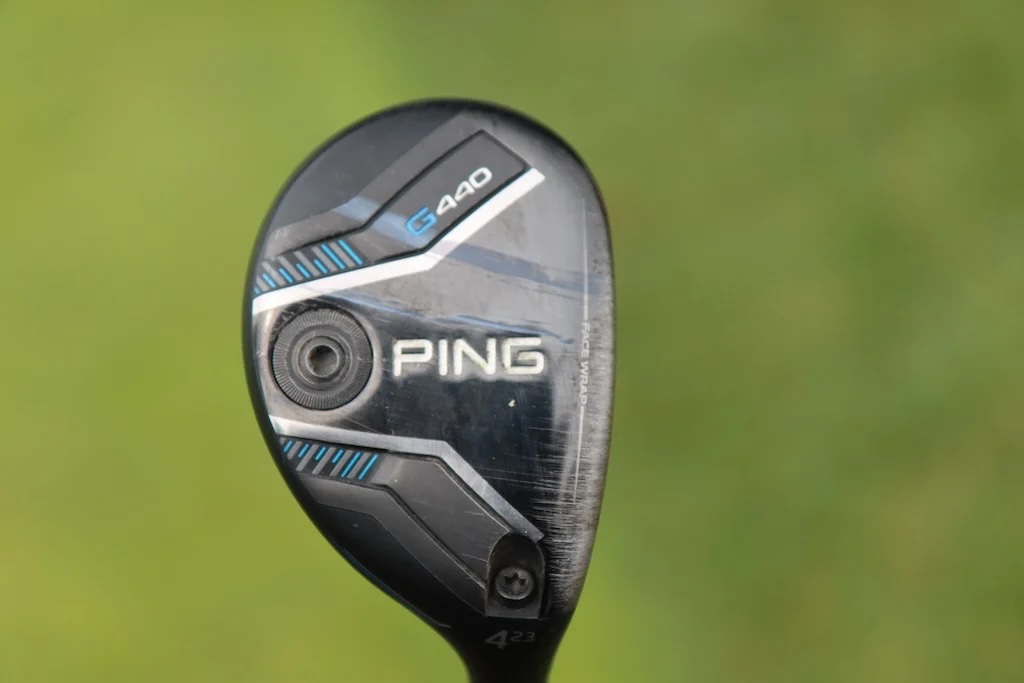
Hybrid: Ping G440 (23 degrees)
Shaft: Oban Isawa Red Hybrid Shaft 04 Flex 70 Gms
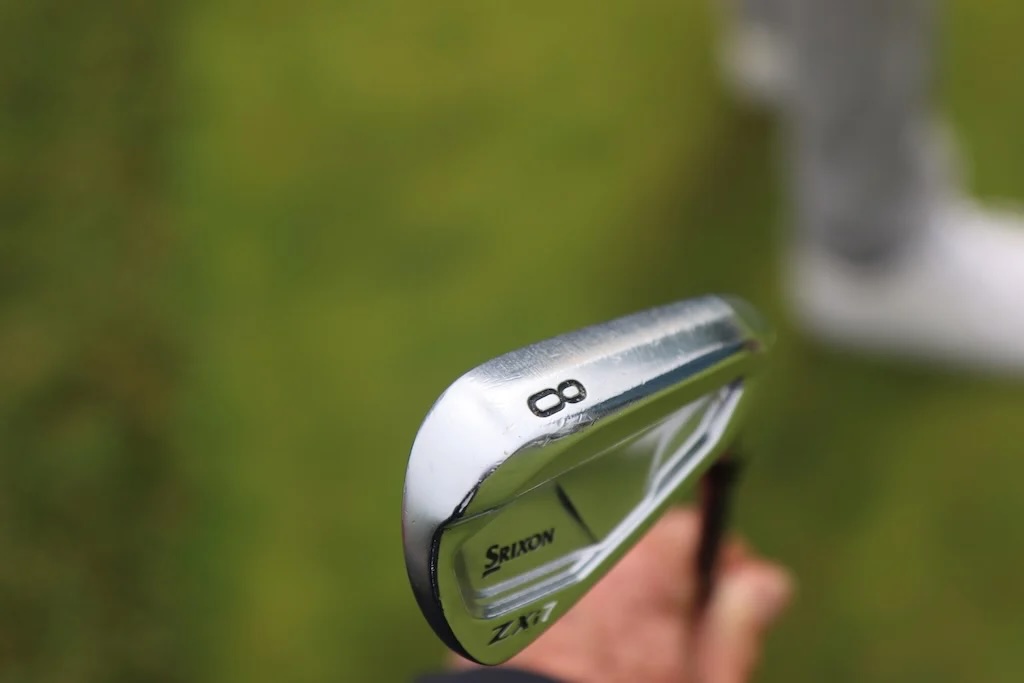
Irons: Srixon ZXi7 (5-P)
Shafts: Aerotech SteelFiber Private Reserve i80
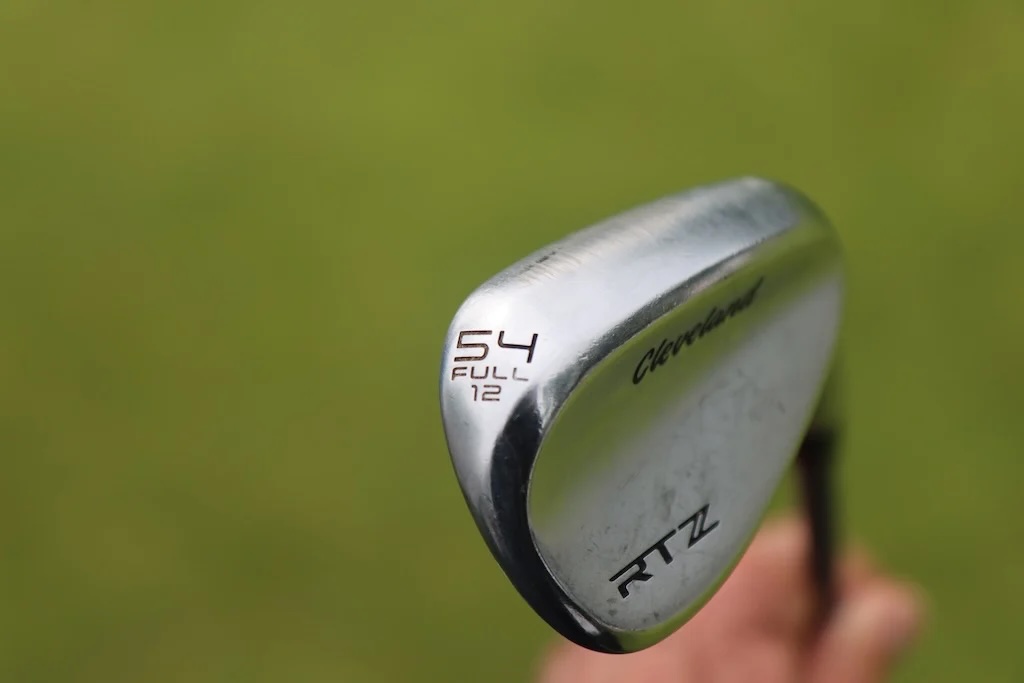
Wedges: Cleveland RTZ (50-MID, 54-FULL, 58-MID)
Shafts: Aerotech SteelFiber Private Reserve i105
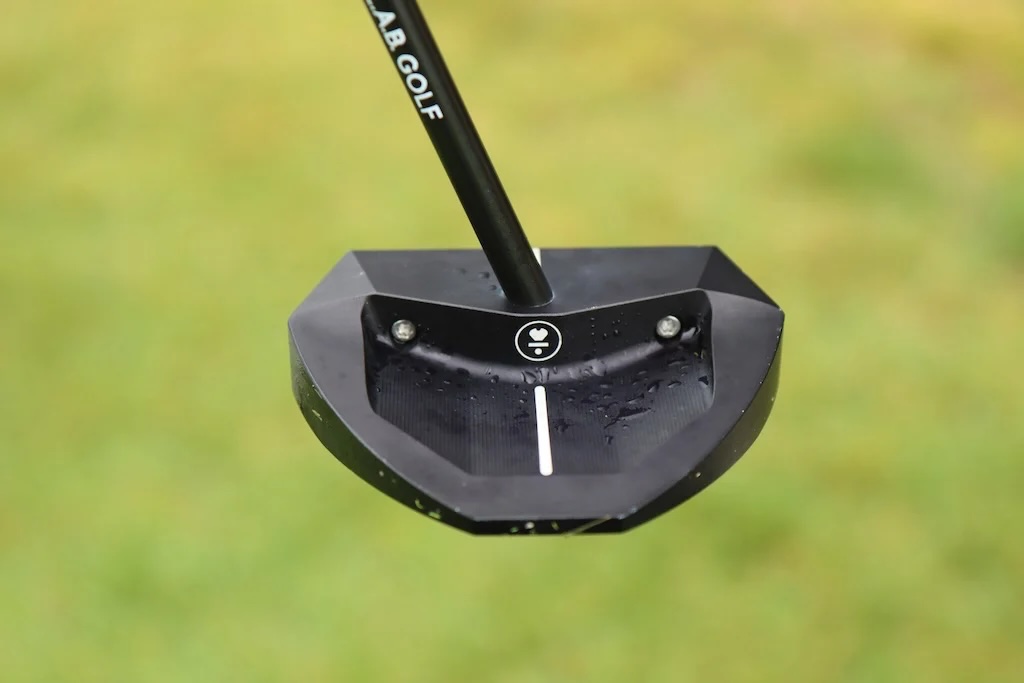
Putter: L.A.B. Golf OZ.1i
Shaft: ACCRA Putter Shaft
Grips: Golf Pride Tour Velvet

Aaron Rai’s winning WITB: 2026 PGA Championship

Russell Henley’s winning WITB: 2026 Charles Schwab Challenge

Photos from the 2026 CJ Cup Byron Nelson

CJ Cup Byron Nelson Tour Report: Koepka and Kim’s newest putters finally get hot

Charles Schwab Challenge Tour Report: MacIntyre, Åberg and Spaun all switch putters, TaylorMade launches new Spider

Details on J.J. Spaun’s surprise putter switch

GolfWRX Launch Report: 2026 Titleist GTS drivers

Photos from the 2026 Charles Schwab Challenge

PGA Championship Tour Report: Fitzpatrick, Koepka among big-name putter switches for Aronimink

Photos from the ShopRite LPGA


Maria Torres WITB 2026 (June)
Driver: Ping G440 LST (9 degrees) Shaft: Accra TourZ Green 5-M4 3-wood: Ping G440 Max (15 degrees) Shaft: Accra TourZ Green 6-M4 5-wood: Ping G440...


Eric Cole WITB 2026 (June)
Driver: PXG Lightning Tour Max (9 degrees) Shaft: Project X Titan Yellow 70 TX 3-wood: TaylorMade Qi4D (15 degrees) Shaft:...


Si Woo Kim WITB 2026 (May)
Driver: Callaway Quantum Triple Diamond (8.5 degrees) Shaft: Fujikura Ventus Black 6 X Mini driver: Callaway Paradym Ai Smoke Mini...


Wyndham Clark’s winning WITB: 2026 CJ Cup Byron Nelson
Driver: TaylorMade Qi4D (10.5 degrees) Shaft: Project X Titan Yellow 60 TX 3-wood: TaylorMade Qi4D Tour (15 degrees) Shaft: Project...


A. Commoner
May 24, 2020 at 4:55 pm
Excellent article. Spurs thought so often repeated: “If people would only realize.”
Tom Duckworth
May 23, 2020 at 1:41 pm
I will change my own grips and ad length to my irons but I stop there. It would be fun to build my own clubs one day but the cost saving is not enough. Buying a set of forged iron heads on eBay is just as expensive as a complete set of irons. I’m happy if I can have a good conversation and fitting and get the information I need to find a set that fits me. I mostly buy used because getting clubs a few years old is a major cost savings and the technology just doesn’t change that dramatically.
I would be happy to support someone working out of their home but I have never found any locally. I admire the investment it takes to do it right.
Breiman
May 22, 2020 at 6:21 pm
I had a small shop in the 80s that did mostly custom woods and forged iron sets and some repairs. The investment into heads, shafts and grips alone was 20k in 1985 $$$$. Let alone the tools. Running a small shop is a labor of love.