
Equipment
TESTING: Fujikura Atmos “Tour Spec” Red vs Atmos Red driver shafts

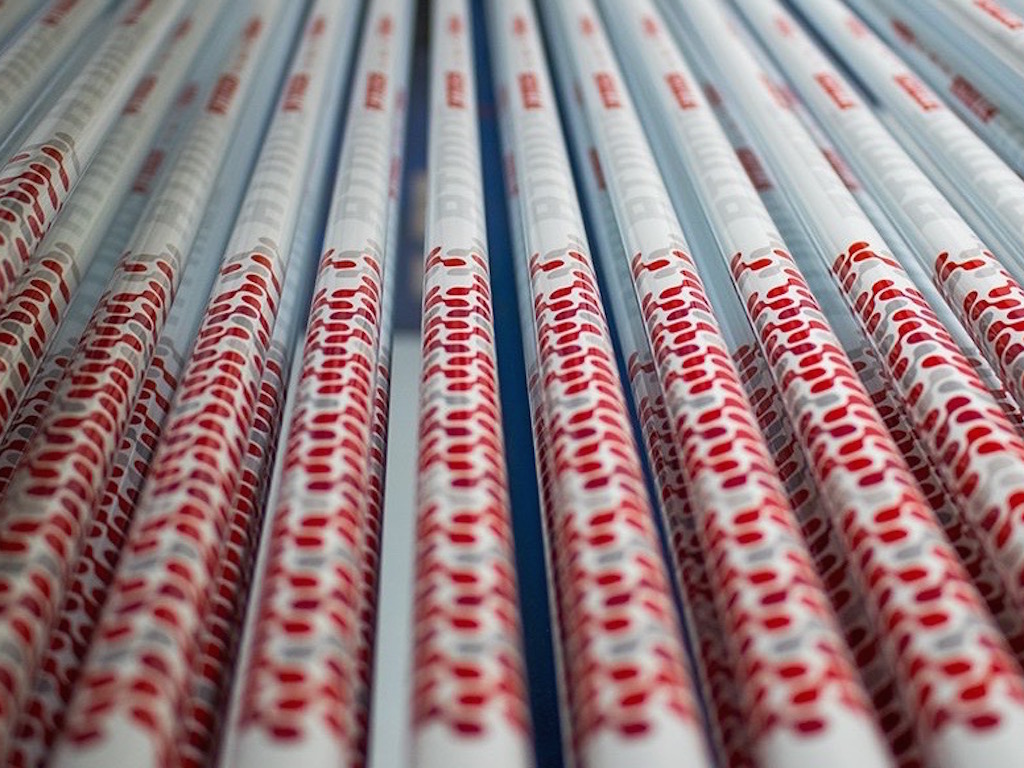
For an average golfer, what’s the difference between a regular Fujikura Atmos Red shaft and a “Tour Spec” Atmos Red? That’s what we wanted to find out.
In our new club testing series, average golfers will be hitting either different shafts or different club heads, testing them against each other. The process will simply be to hit an equal number of shots with each shaft or club head, eliminating any outliers, and then report the numbers. These are all one-variable tests. Since the club tests are all done at Club Champion in Royal Oak, Michigan, the testing is under direct supervision of professional fitters.
First, some information about both shafts in this test.
Fujikura Atmos Tour Spec Red 6S facts

Fuji says: “New for 2017, the Atmos Tour Spec line is geared towards the performance golfer looking to keep the ball flighted down with low spin. Continuing with our iconic ‘Tour Spec white’ paint, Atmos is a true tour flighted line of shafts with a simple color coding – red as the higher launching, blue as mid launch, black as the lowest launch – similarities include keeping the handle flexes the same for feel, but adjusting mid and tip sections for launch and spin to achieve your desired ball flight.”
Specs

Fujikura Atmos Red 6S facts

Fuji says: “New for 2018, we’re excited to introduce the higher launching and softer profile Atmos. The Atmos has a similar design profile to the Tour Spec version, but is geared towards fitting a wider spectrum of golfers. The Atmos has a consistent, smooth feel, and has the red launch profile to signify the higher flight and spin… the blue profile is for mid launch and spin performance.”
Specs

The Test
We had two testers each hit the Fujikura Atmos Red Tour Spec 6S against a Fujikura Atmos Red 6S. Player A is a lefty and a 17-handicap. Player B is a righty and a 9-handicap. Both fight shots to the left (one being a slice, one being a hook, respectively). Here’s what happened when they both hit the shafts:
Player A
| Atmos Red TS Red 6S | Atmos Red 6S | |
|---|---|---|
| Club Speed | 91.6 mph | 91.4 mph |
| Ball Speed | 128.3 mph | 127.1 mph |
| Smash factor | 1.40 | 1.39 |
| Spin Rate | 5339 rpm | 5194 rpm |
| Side | 129.8 L | 143.9L |
| Launch | 14.8 degrees | 16.0 degrees |
| Carry | 186.6 yards | 185 yards |
| Total | 198.4 yards | 196.1 yards |
| Height | 92 feet | 97 feet |
| Attack Angle | -3.6 degrees | -3.4 degrees |
Player B
| Atmos TS Red 6S | Atmos Red 6S | |
|---|---|---|
| Club Speed | 103.4 mph | 104.3 mph |
| Ball Speed | 150.2 mph | 150.8 mph |
| Smash Factor | 1.45 | 1.44 |
| Spin Rate | 2652 rpm | 2915 rpm |
| Side | 74.1 L | 65.8 L |
| Launch Angle | 12.1 degrees | 11.4 degrees |
| Carry | 246.5 yards | 242.7 yards |
| Total | 272.0 yards | 267.2 yards |
| Height | 88 feet | 89 feet |
| Attack Angle | -0.9 degrees | -2.0 |







Neal Shipley was the first to admit that he enjoyed his food while in college. But since his days at Ohio State, he’s slimmed down and earned a PGA Tour Card.
That hasn’t stopped him from having fun with his wedge stampings, though it’s led to some misunderstandings.
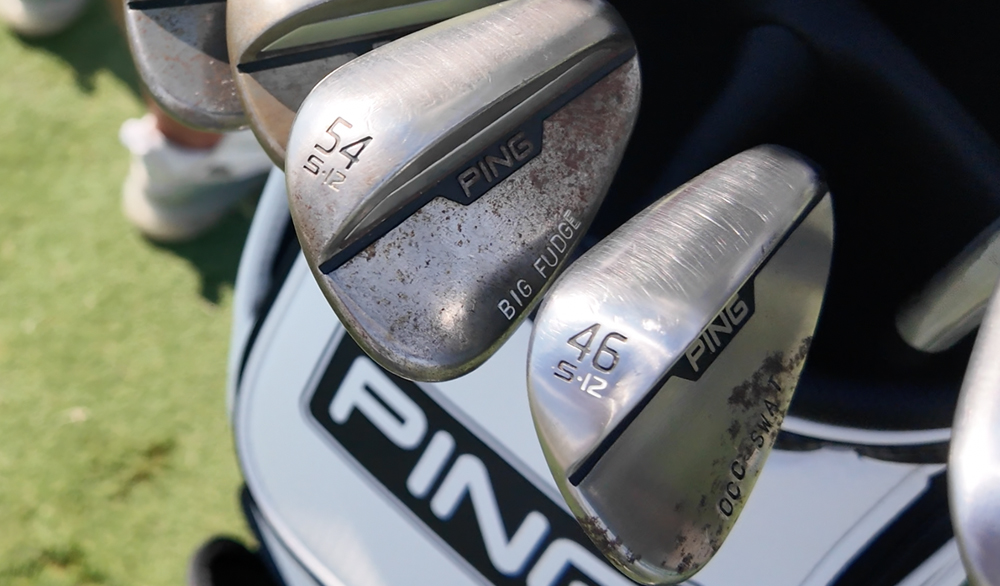
On the 54 (degree), we have ‘Big Fudge,'” Shipley told GolfWRX. “It was supposed to be ‘Big Fridge,’ so this happened a little while ago. ‘Big Fridge’ was a nickname between my college teammates and I, with ‘fridge’ meaning stomach, a big stomach.
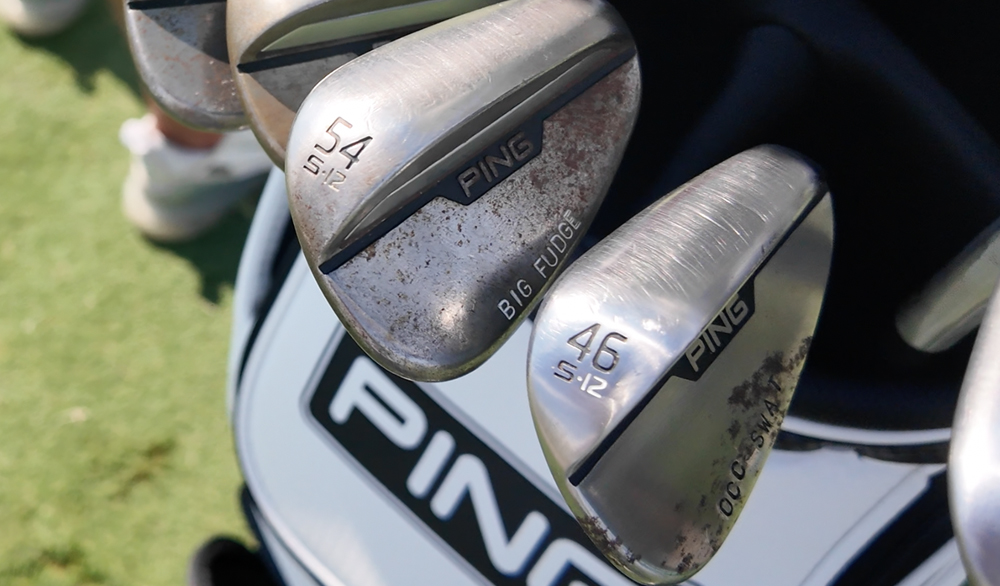
“We told the Ping guys to put … ‘Big Fridge’ on it, and I think maybe some bad cell service or something, and they thought I said ‘fudge,’ so they put fudge on it.”
On Shipley’s 50-degree he also continues the food theme, this time with his go-to order at the “Golden Arches,” and his stamping “DONS 7.”
“The number 7 meal, the two cheeseburger meal, that was my McDonald’s order, back when I would have McDonald’s frequently,” Shipley shared.

At GolfWRX, we are a community of like-minded individuals who all experience and express our enjoyment of the game in many ways.
It’s that sense of community that drives day-to-day interactions in the forums on topics that range from best driver to what marker you use to mark your ball. It even allows us to share another thing we all love – buying and selling equipment.
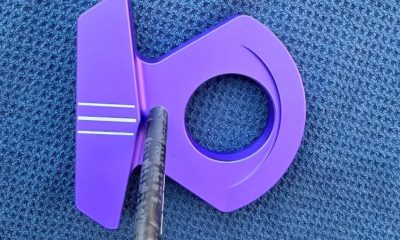
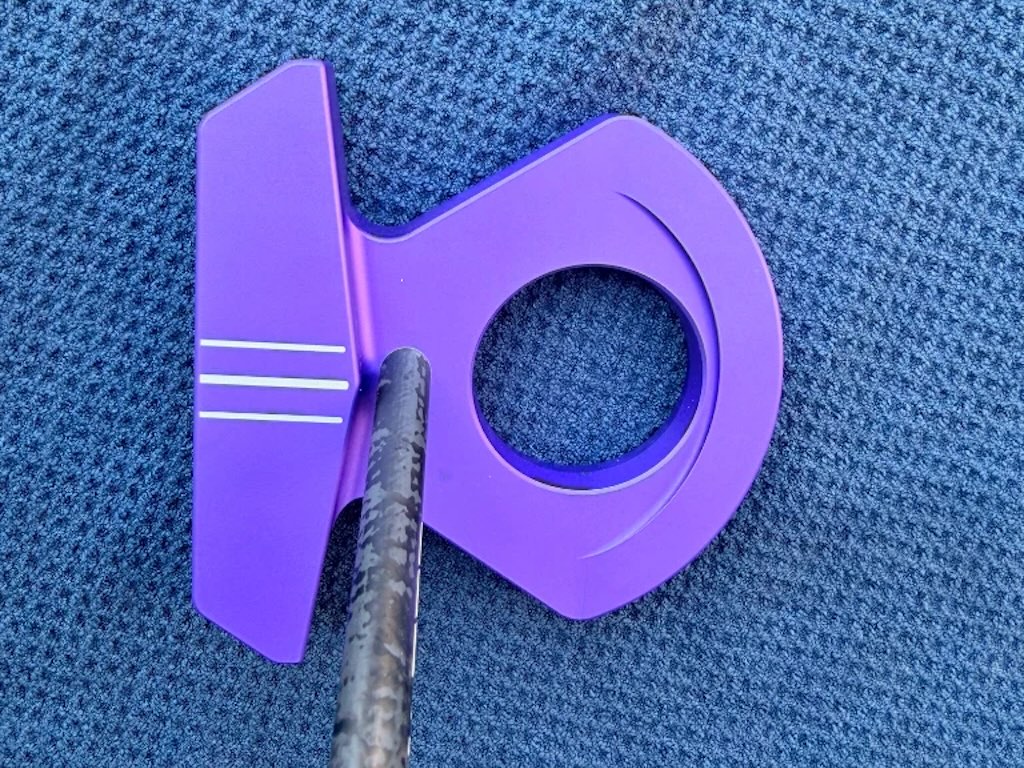
Currently, in our GolfWRX buy/sell/trade (BST) forum, @raw10628 has a L.A.B. DF3 putter and Masters putter cover up for grabs.
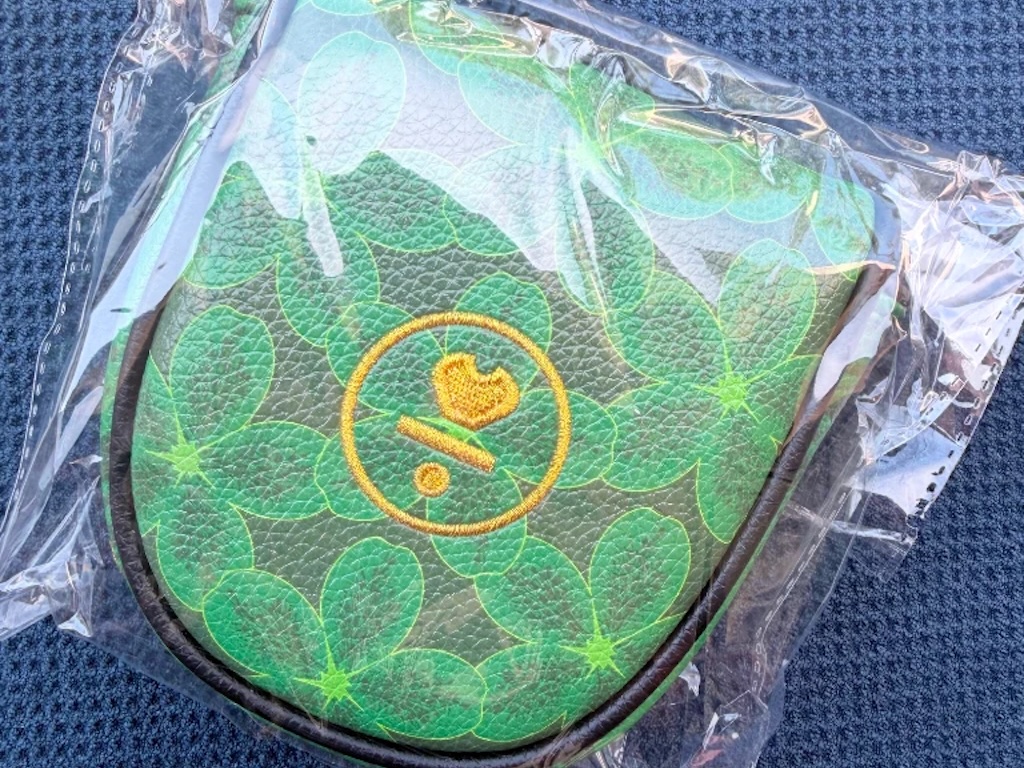
From the listing: “Some great items here today, time to thin out and make room for next set of gear. All prices include shipping.
LAB DF3 Purple 33.5” 68° lie with TPT – $725. LAB Masters release DF3 cover – $150.”
To check out the full listing in our BST forum, head through the link. If you are curious about the rules to participate in the BST Forum, you can learn more here: GolfWRX BST Rules
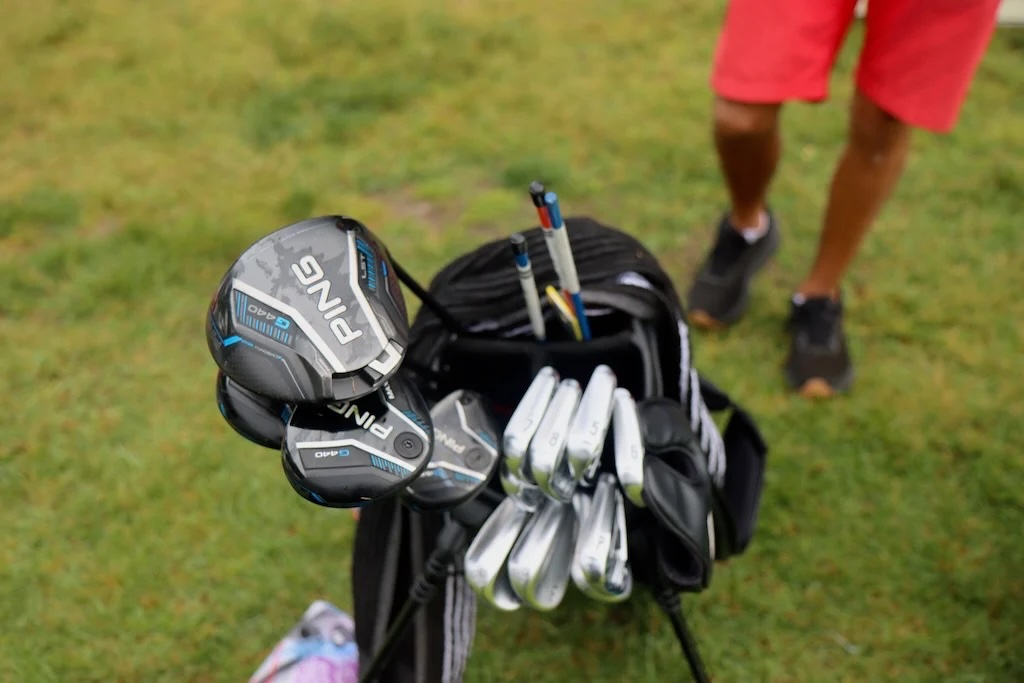
Driver: Ping G440 LST (9 degrees)
Shaft: Accra TourZ Green 5-M4
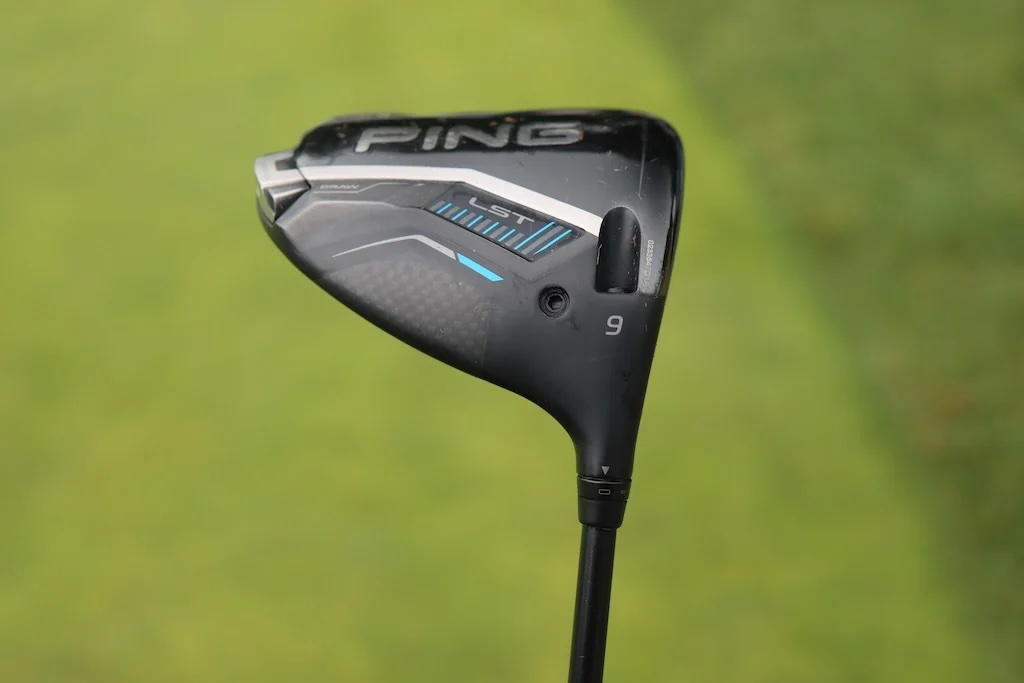
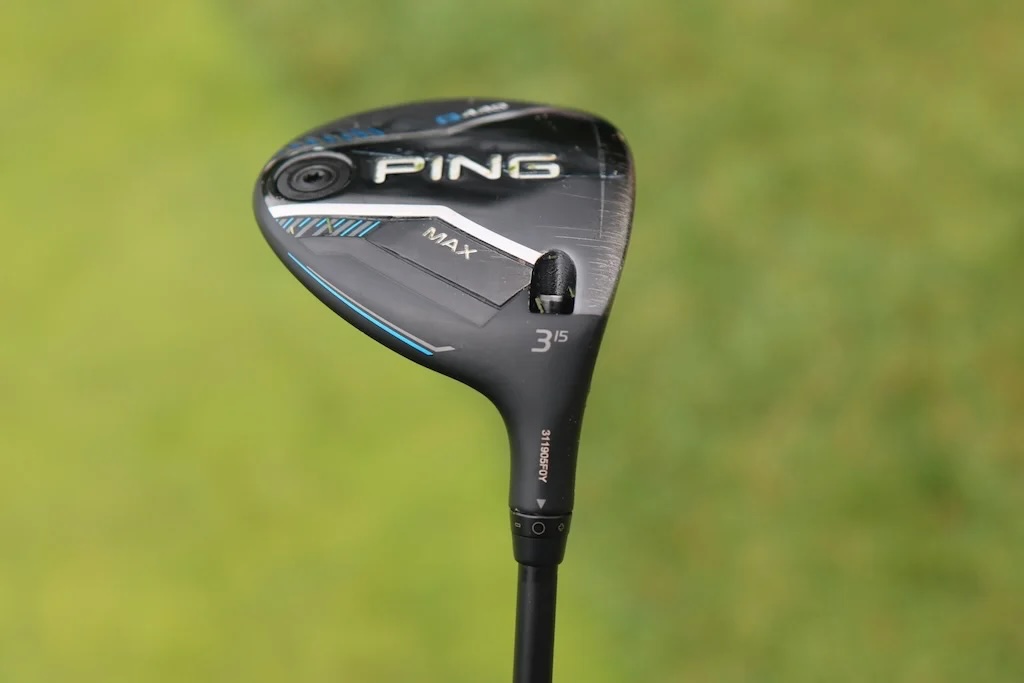
3-wood: Ping G440 Max (15 degrees)
Shaft: Accra TourZ Green 6-M4
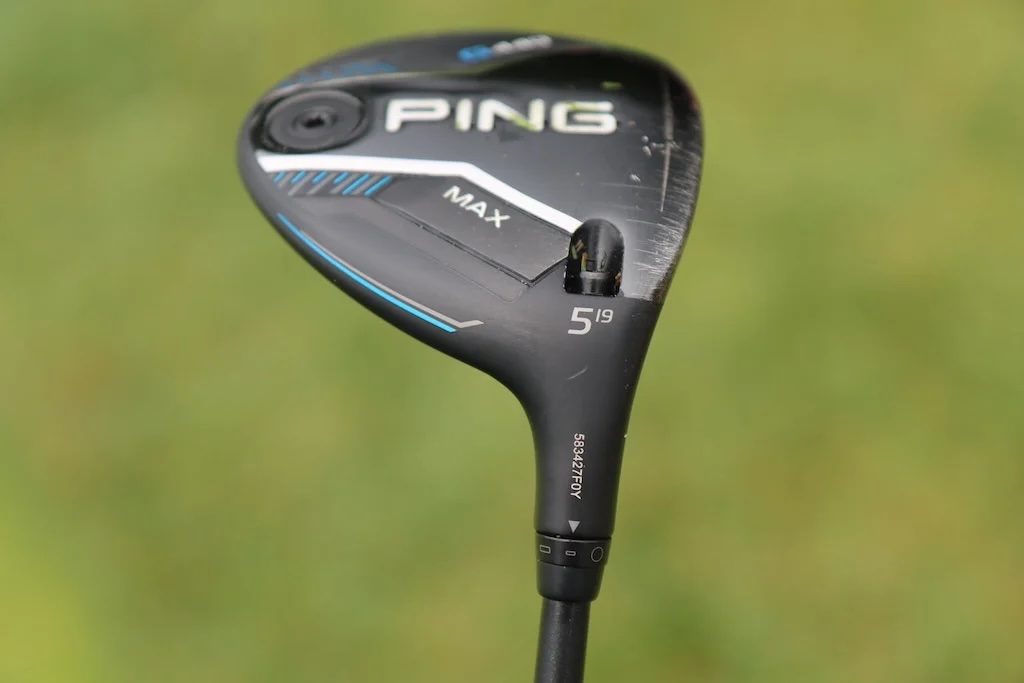
5-wood: Ping G440 Max (19 degrees @18)
Shaft: Accra TourZ Green 6-M4
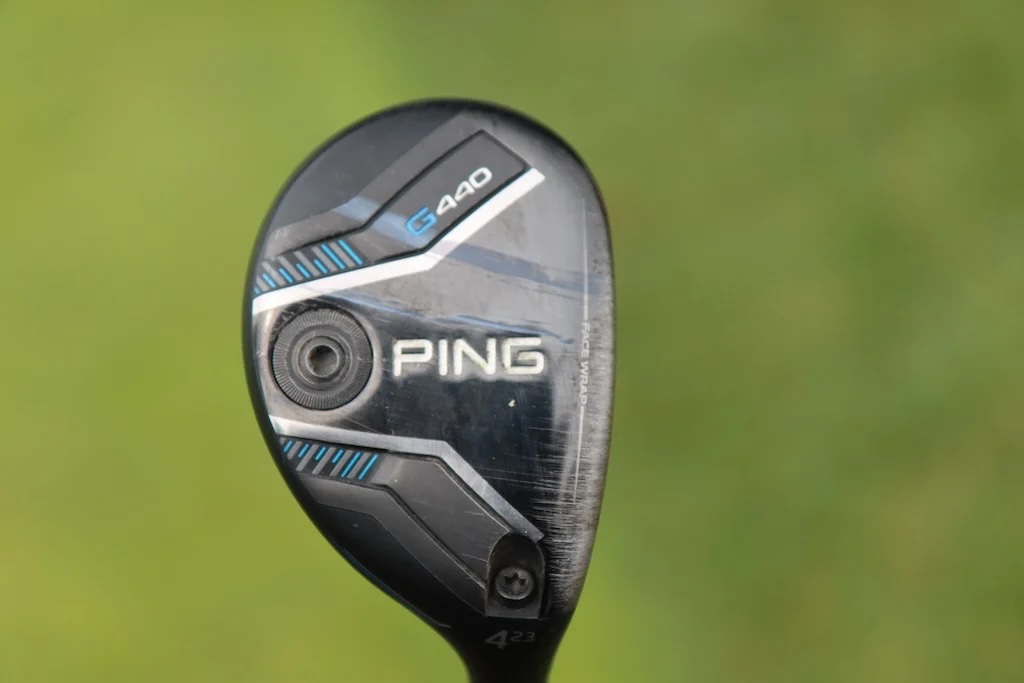
Hybrid: Ping G440 (23 degrees)
Shaft: Oban Isawa Red Hybrid Shaft 04 Flex 70 Gms
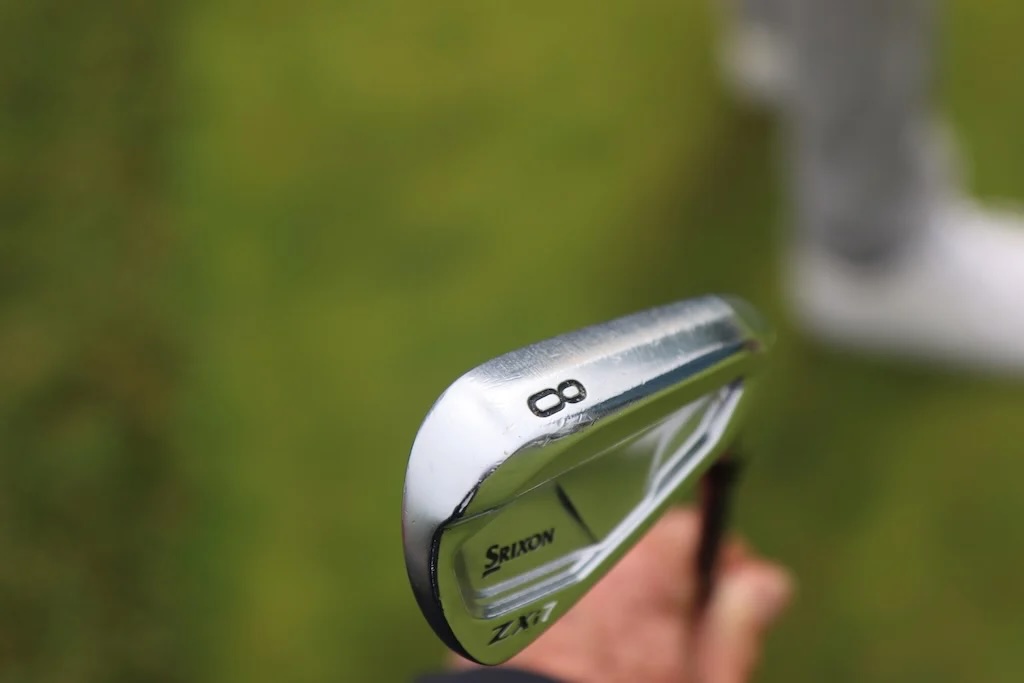
Irons: Srixon ZXi7 (5-P)
Shafts: Aerotech SteelFiber Private Reserve i80
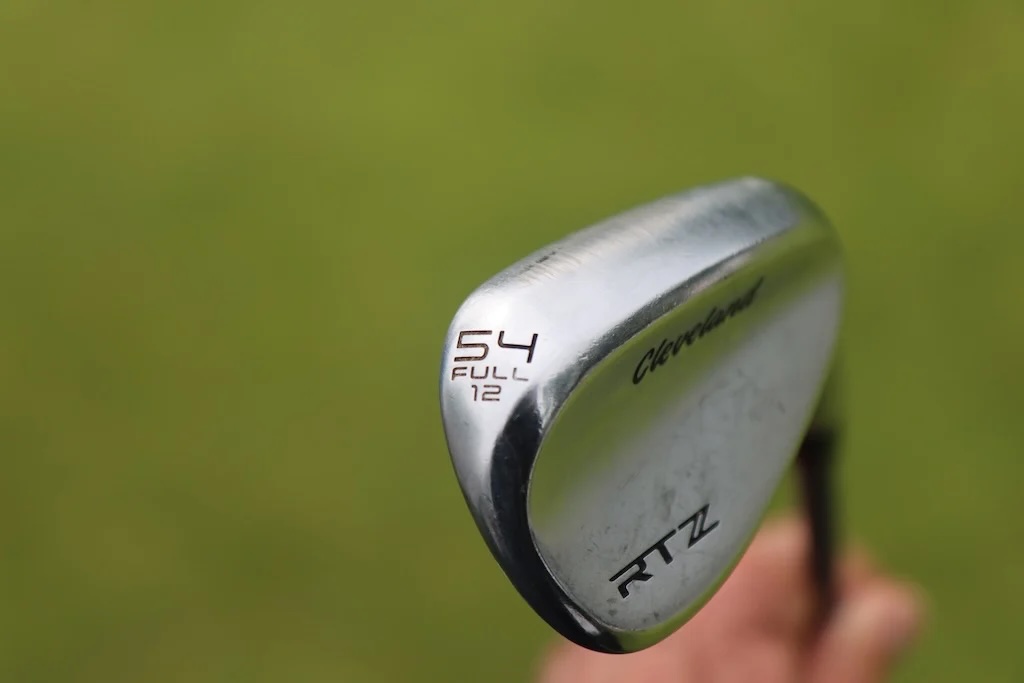
Wedges: Cleveland RTZ (50-MID, 54-FULL, 58-MID)
Shafts: Aerotech SteelFiber Private Reserve i105
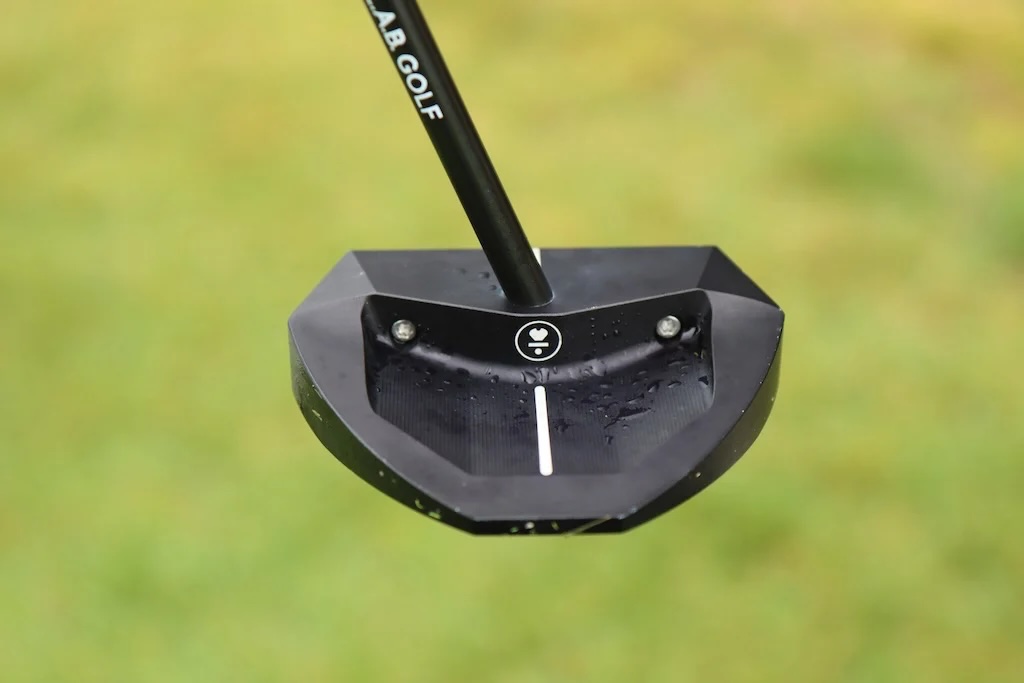
Putter: L.A.B. Golf OZ.1i
Shaft: ACCRA Putter Shaft
Grips: Golf Pride Tour Velvet

Aaron Rai’s winning WITB: 2026 PGA Championship

Russell Henley’s winning WITB: 2026 Charles Schwab Challenge

Photos from the 2026 CJ Cup Byron Nelson

CJ Cup Byron Nelson Tour Report: Koepka and Kim’s newest putters finally get hot

Charles Schwab Challenge Tour Report: MacIntyre, Åberg and Spaun all switch putters, TaylorMade launches new Spider

Details on J.J. Spaun’s surprise putter switch

GolfWRX Launch Report: 2026 Titleist GTS drivers

Photos from the 2026 Charles Schwab Challenge

PGA Championship Tour Report: Fitzpatrick, Koepka among big-name putter switches for Aronimink

Photos from the ShopRite LPGA

Maria Torres WITB 2026 (June)
Driver: Ping G440 LST (9 degrees) Shaft: Accra TourZ Green 5-M4 3-wood: Ping G440 Max (15 degrees) Shaft: Accra TourZ Green 6-M4 5-wood: Ping G440...


Eric Cole WITB 2026 (June)
Driver: PXG Lightning Tour Max (9 degrees) Shaft: Project X Titan Yellow 70 TX 3-wood: TaylorMade Qi4D (15 degrees) Shaft:...


Si Woo Kim WITB 2026 (May)
Driver: Callaway Quantum Triple Diamond (8.5 degrees) Shaft: Fujikura Ventus Black 6 X Mini driver: Callaway Paradym Ai Smoke Mini...


Wyndham Clark’s winning WITB: 2026 CJ Cup Byron Nelson
Driver: TaylorMade Qi4D (10.5 degrees) Shaft: Project X Titan Yellow 60 TX 3-wood: TaylorMade Qi4D Tour (15 degrees) Shaft: Project...


Jim Giles
Aug 24, 2018 at 12:03 pm
I was curious on the significant change in Attack Angle for Player B . Did the shaft cause this ? Cuz I am no expert, but wouldn’t that have a lot to do with the resulting Launch Angle (thus flight) being so different. Player B’s stats confused me.
Someone
Aug 24, 2018 at 11:19 am
Need more data. Greater sample size. Two players is insignificant especially considering the skill gap.
Bark Chuck
Aug 24, 2018 at 1:31 am
Did I miss the type of club head, loft, etc.?
CrashTestDummy
Aug 24, 2018 at 1:25 am
For any strong consistent swings, the standard Atmos Red will feel like a noodle and most likely have poor dispersion groupings compared to the TS Atmos Red. Those shafts are polar opposites in specs except for the name.
james
Aug 23, 2018 at 3:59 pm
Based on these numbers, one would think the stock shaft is really, really good!. why spend $300+ for the tour spec? does not seem worth it.
Kevin
Aug 23, 2018 at 1:01 pm
So even a “mid” and a “high” handicap golfer hit the tour spec shaft further…minimally, but further. If this is truly legit data it would seem there is no need to make both versions. Just make the tour spec and let everyone hit it a little further…
Jim Giles
Aug 24, 2018 at 12:01 pm
for a Manufacturer in making it, your comment is correct… .but for a consumer, these things are hundreds of dollars different. So I think it provides validation that for the weekend golfer you don’t need to spend $$$ on the Tour Spec shaft to get similar results.
Josh
Aug 25, 2018 at 1:00 am
Ding Ding Ding Ding Ding
The Club Nut
Sep 3, 2018 at 12:00 pm
They’re really not that different in price. If youre comparing the Atmos that comes “stock” in the M4 with the shaft they tested, you’d be comparing two different shafts. The graphics may be more similar than any Fujikura stock offering in recent years, but the final product is different. Having physically tested a stick Atmos red and an aftermarket Atmos red, the stock option is lighter flex (at same marked rating) and more tip soft.
Picky
Aug 23, 2018 at 11:49 am
You lost me at .620 butt diameter. I’m not spending hundreds of dollars on a shaft that I can’t have a standard size cord grip on.
The Club Nut
Sep 3, 2018 at 12:01 pm
You can stretch it, or have an undersize built up to standard.
Dan
Aug 23, 2018 at 11:31 am
This is a tiny sample size and TXG did a better version of this where they show how it affects the flight
Francis
Aug 23, 2018 at 11:31 am
Love this concept. I know you said that the object of the experiment was for “average” golfers, but it would have been even more interesting if you threw in a scratch since the TS is designed for “performance golfer.” I would have liked to have seen the performance difference (if any) between the three handicap levels. Great work!