
Equipment
Graphite vs. steel iron shafts – what you need to know


When it comes to selecting iron shafts, graphite vs steel continues to create debate among golfers at all skill levels.
As far as drivers, fairway woods, and hybrids are concerned, the train has left the station with the majority of players using graphite for some time. Graphite offers performance benefits that are impossible to achieve with steel including
- Graphite can be made much stiffer at lighter weights
- Bend profiles can be uniquely tuned thanks to multiple materials and composites (steel is a homogeneous material and very limited in this capacity)
- Graphite has greater shock-absorbing properties to help reduce vibrations transferring to a players hands
It used to be that graphite shafts were only for slower speed players who needed something that was lighter and more “whippy,” but that was a big misconception that continues to have some staying people with golfers unfamiliar with modern technology.
The benefits of graphite shafts in irons
The benefits of graphite shafts in irons vary depending on the weight category they fall into. The weight categories also generally coincide with player swing profiles, which give golfers and fitters the best chance to see a performance gain.
- >40-65 grams: The shafts in the lightest weight category offer players on the slow end of the swing speed spectrum the opportunity to generate more speed and additional high and spin on their shots. There are no steel shafts that are able to fit into this weight range, and graphite opens the door to a lot more players to enjoy that game thanks to total club weight reduction.
- 65-95 grams: This is the biggest portion of the graphite shaft market and where most golfers are going to fit in. The lighter weight shafts in this range continue to help golfers that are looking for extra speed, while the heavier options are a great transition point for players looking to move away from steel. One of the biggest reasons for a golfer to transition into graphite from steel in this weight range would be for vibration reduction, or in some cases to get extra stability unavailable in lighter weight steel compared to the graphite equivalent. Depending on the shaft, 90-gram graphite shafts are just as, if not more stable than, steel.
- 95-120+ grams: These shafts are for the fastest players, and from a materials and design perspective graphite, shafts in this weight range can be made extremely stiff —beyond the point of similar steel shafts. The argument used to be that graphite didn’t offer the same tight dispersion as steel, but that has been proven false and one of the biggest benefits for golfers looking in this category if all the stability (if not more) of steel but with greater injury/pain prevention.
Proven results
Graphite shafts have been commonly used on the PGA Tour for over a decade by players including Brandt Snedeker, Fred Couples, and Matt Kuchar, for the same reason regular weekend golfer use them—lighter weight and extra stability.

When speaking of stability, it was just over a year ago that PGA Tour player Bryson DeChambeau went from steel in his irons to graphite and became the first golfer on the PGA Tour to use 14 clubs with graphite shafts. The designer of those shafts had this to say about working with graphite,
“The versatility of composite materials allows us to add stiffness, drop torque, move the balance, and modify the flex profile without adding additional weight.”
It’s this kind of design versatility that benefits golfers at all levels.
Graphite versus Steel a deeper look
To get a better idea of what a properly fitted graphite shaft is capable of for faster players, the team at TXG have put together a number of videos to demonstrate and discuss their advantages.
Testing the stiffest iron shaft on the market


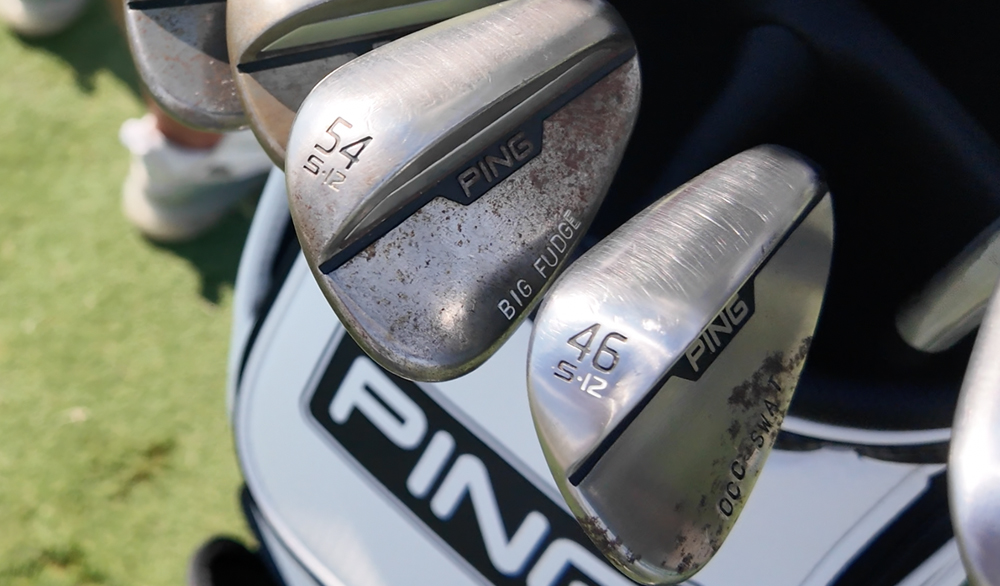
Neal Shipley was the first to admit that he enjoyed his food while in college. But since his days at Ohio State, he’s slimmed down and earned a PGA Tour Card.
That hasn’t stopped him from having fun with his wedge stampings, though it’s led to some misunderstandings.
On the 54 (degree), we have ‘Big Fudge,'” Shipley told GolfWRX. “It was supposed to be ‘Big Fridge,’ so this happened a little while ago. ‘Big Fridge’ was a nickname between my college teammates and I, with ‘fridge’ meaning stomach, a big stomach.
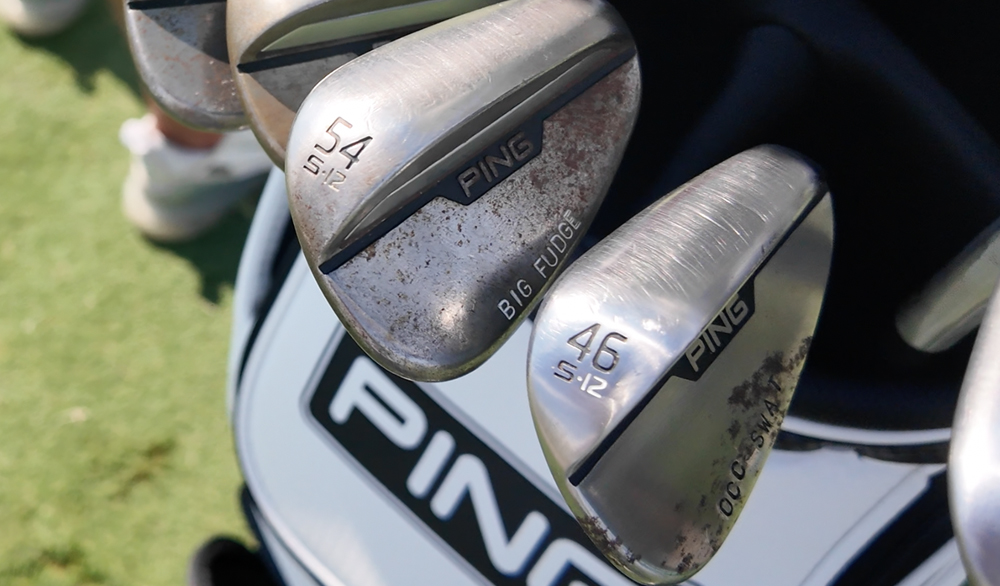
“We told the Ping guys to put … ‘Big Fridge’ on it, and I think maybe some bad cell service or something, and they thought I said ‘fudge,’ so they put fudge on it.”
On Shipley’s 50-degree he also continues the food theme, this time with his go-to order at the “Golden Arches,” and his stamping “DONS 7.”
“The number 7 meal, the two cheeseburger meal, that was my McDonald’s order, back when I would have McDonald’s frequently,” Shipley shared.

At GolfWRX, we are a community of like-minded individuals who all experience and express our enjoyment of the game in many ways.
It’s that sense of community that drives day-to-day interactions in the forums on topics that range from best driver to what marker you use to mark your ball. It even allows us to share another thing we all love – buying and selling equipment.
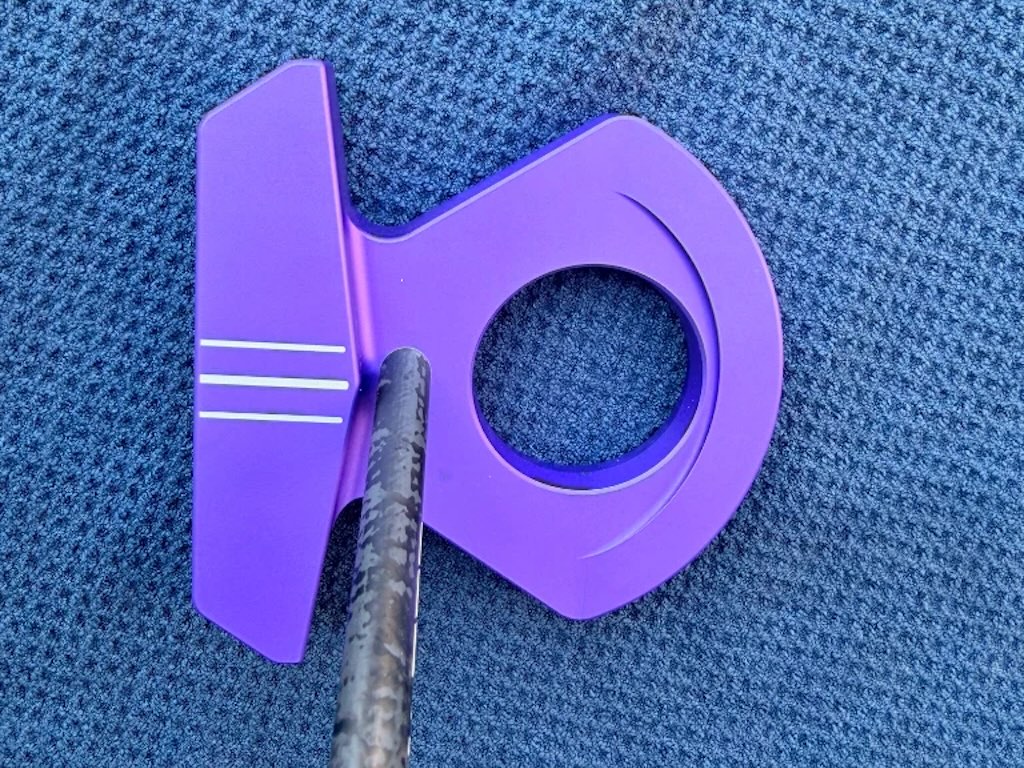
Currently, in our GolfWRX buy/sell/trade (BST) forum, @raw10628 has a L.A.B. DF3 putter and Masters putter cover up for grabs.
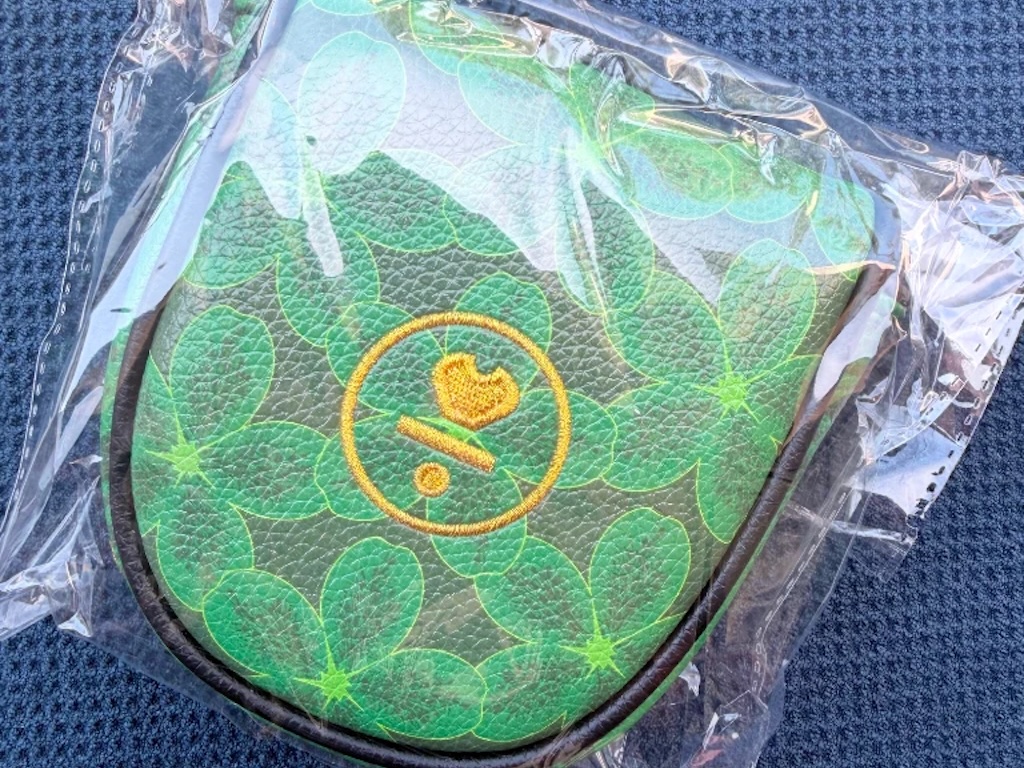
From the listing: “Some great items here today, time to thin out and make room for next set of gear. All prices include shipping.
LAB DF3 Purple 33.5” 68° lie with TPT – $725. LAB Masters release DF3 cover – $150.”
To check out the full listing in our BST forum, head through the link. If you are curious about the rules to participate in the BST Forum, you can learn more here: GolfWRX BST Rules

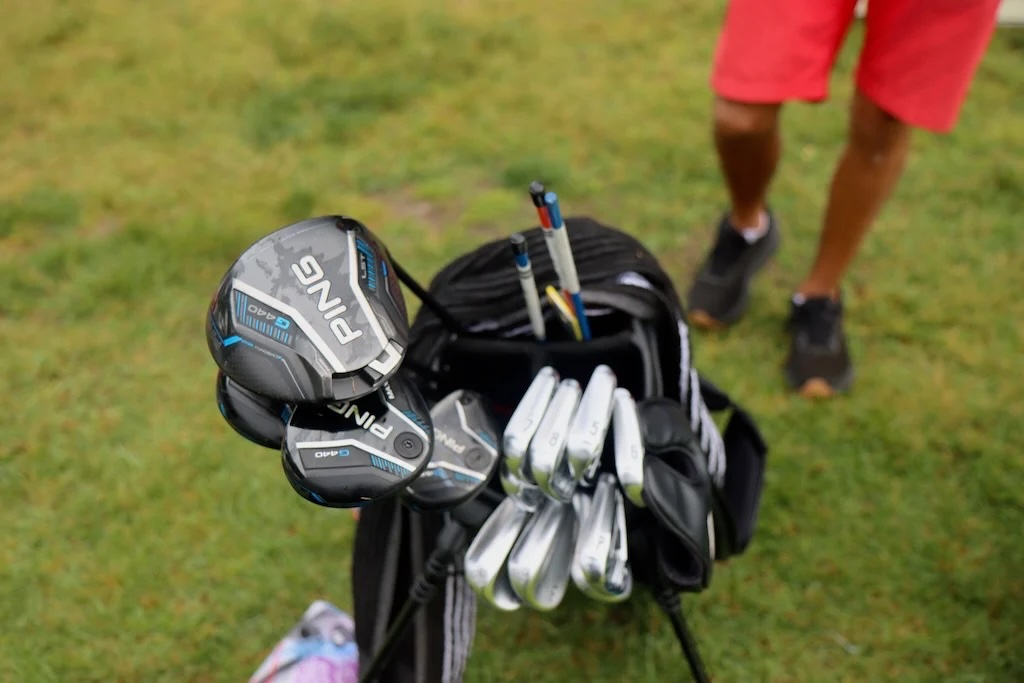
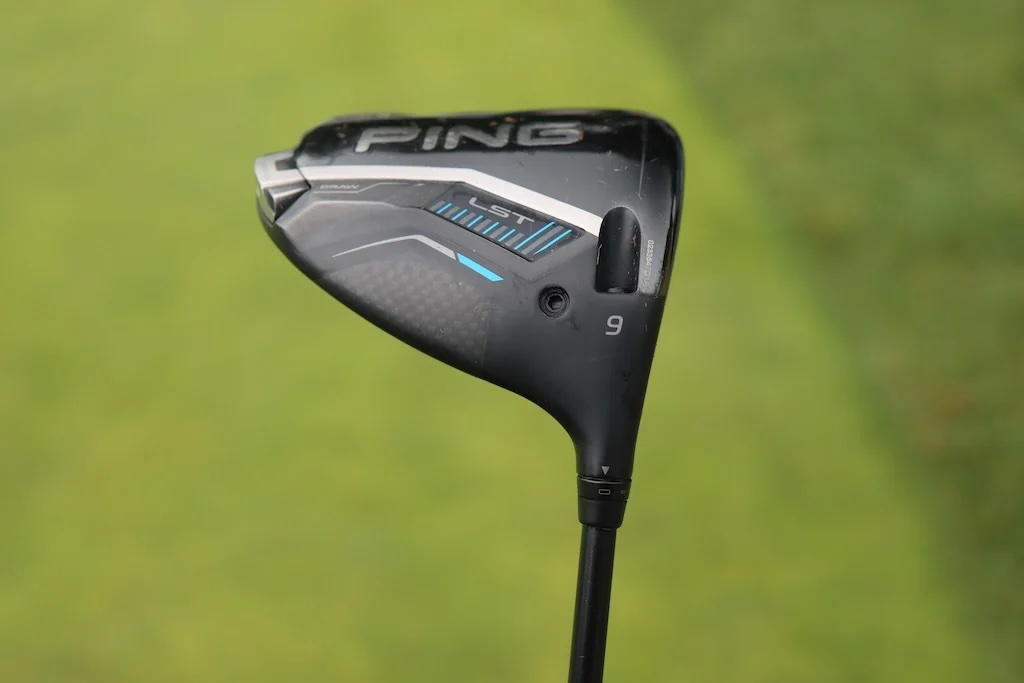
Driver: Ping G440 LST (9 degrees)
Shaft: Accra TourZ Green 5-M4
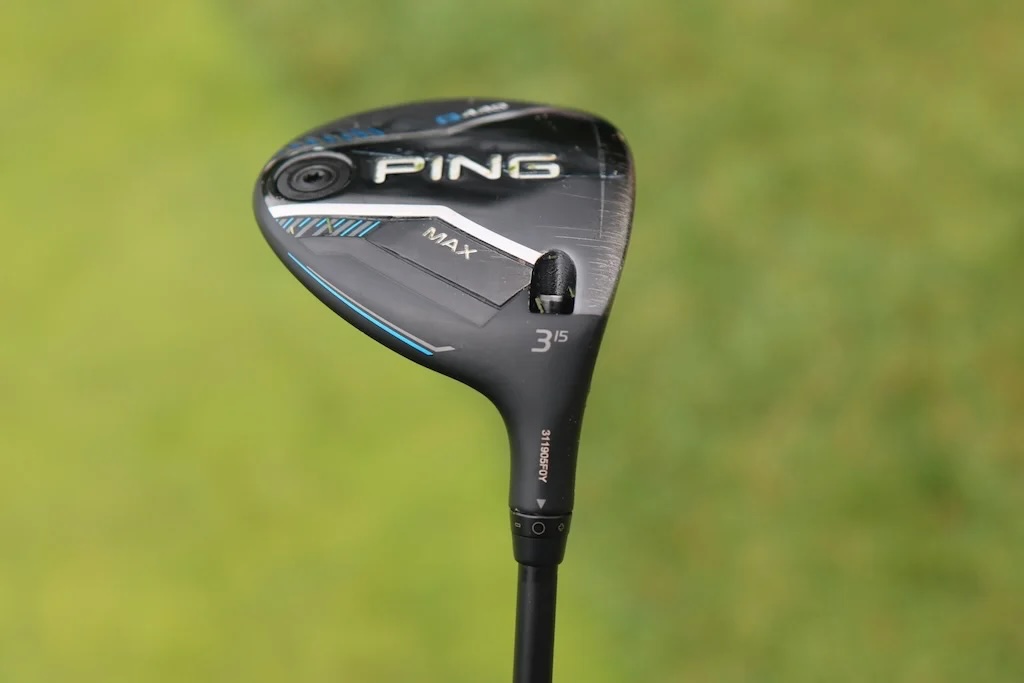
3-wood: Ping G440 Max (15 degrees)
Shaft: Accra TourZ Green 6-M4
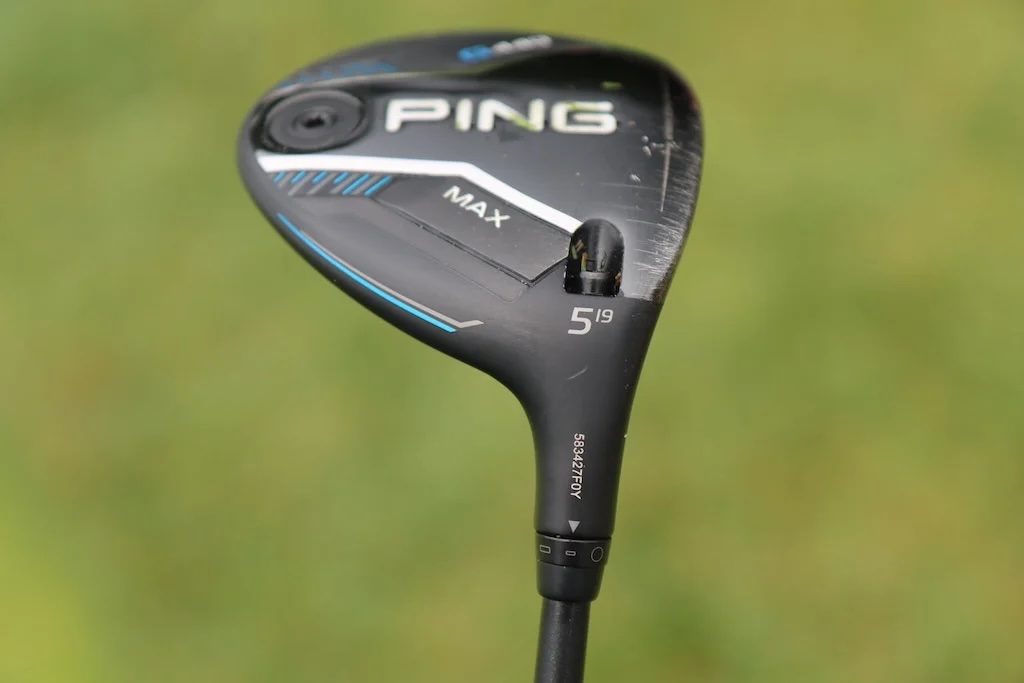
5-wood: Ping G440 Max (19 degrees @18)
Shaft: Accra TourZ Green 6-M4
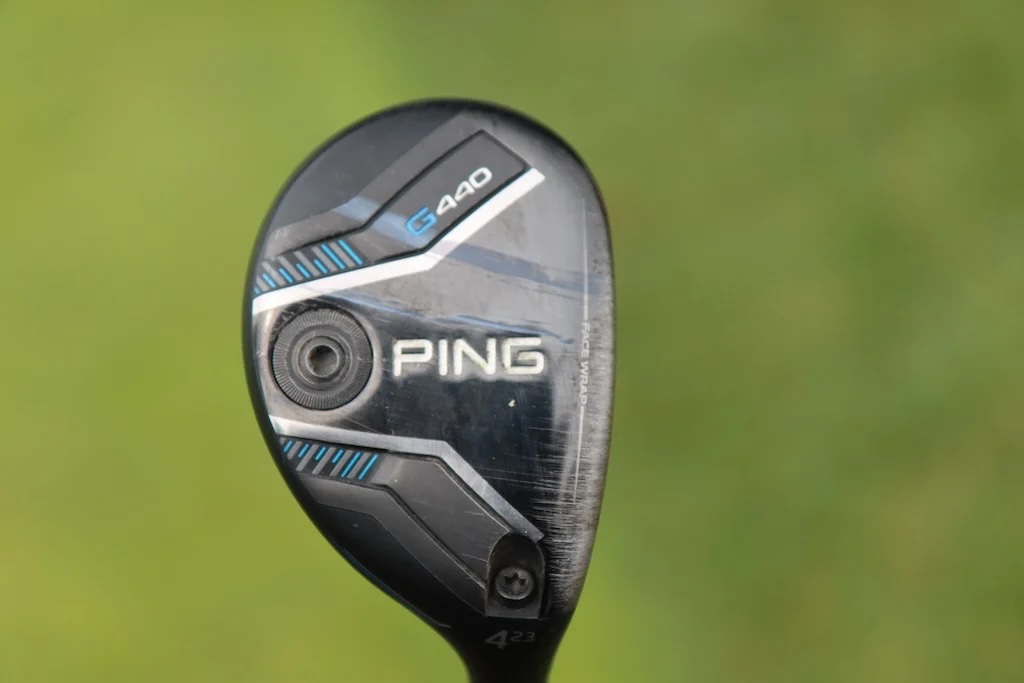
Hybrid: Ping G440 (23 degrees)
Shaft: Oban Isawa Red Hybrid Shaft 04 Flex 70 Gms
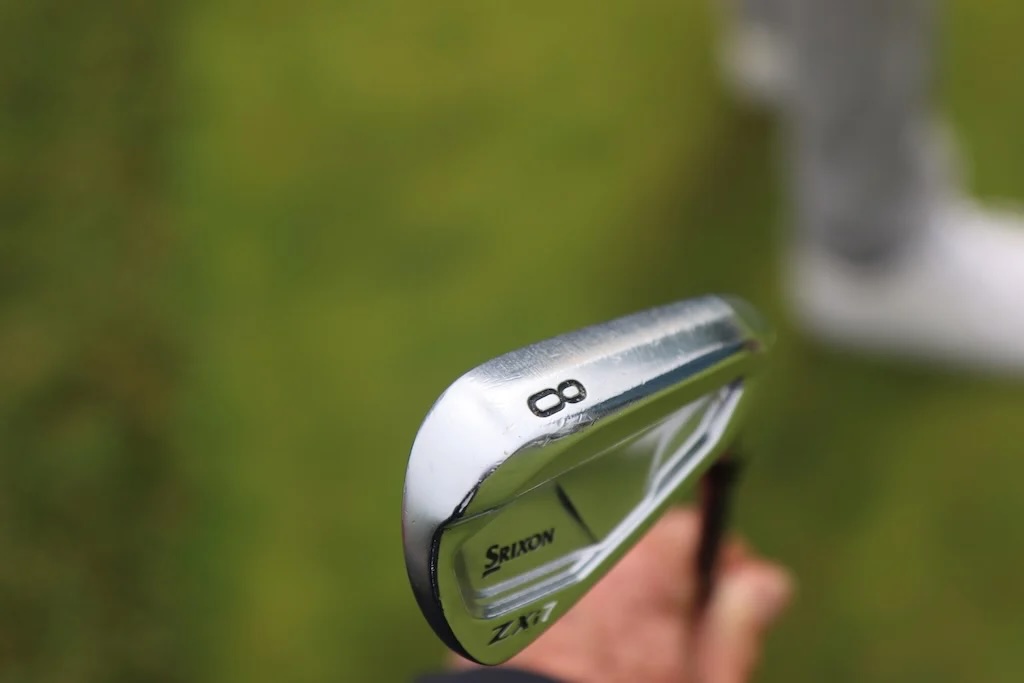
Irons: Srixon ZXi7 (5-P)
Shafts: Aerotech SteelFiber Private Reserve i80
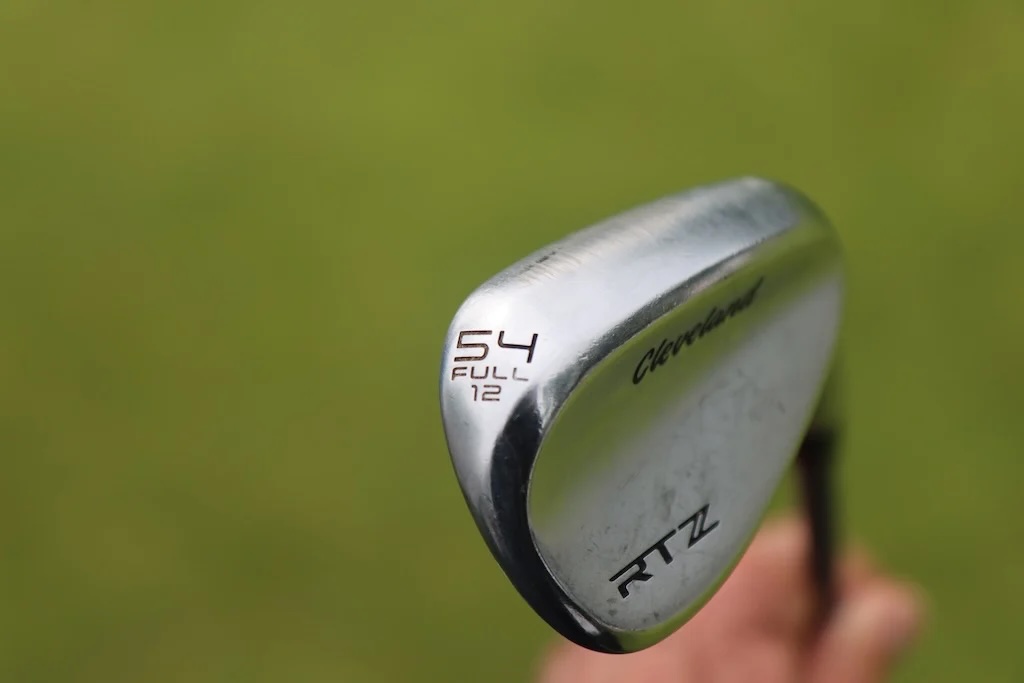
Wedges: Cleveland RTZ (50-MID, 54-FULL, 58-MID)
Shafts: Aerotech SteelFiber Private Reserve i105
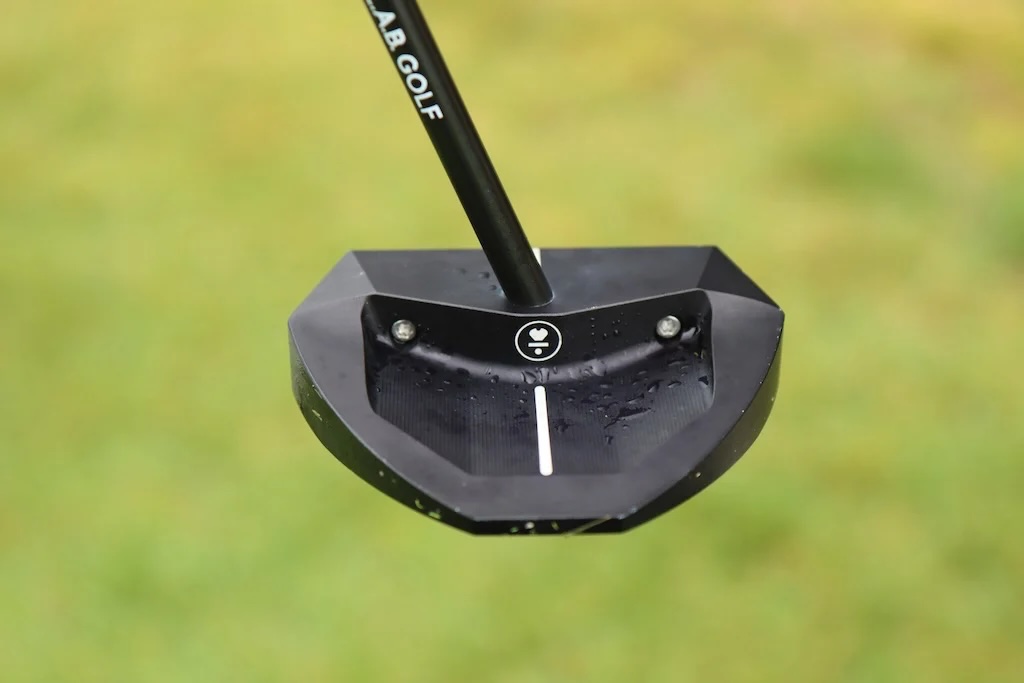
Putter: L.A.B. Golf OZ.1i
Shaft: ACCRA Putter Shaft
Grips: Golf Pride Tour Velvet

Aaron Rai’s winning WITB: 2026 PGA Championship

Russell Henley’s winning WITB: 2026 Charles Schwab Challenge

Photos from the 2026 CJ Cup Byron Nelson

CJ Cup Byron Nelson Tour Report: Koepka and Kim’s newest putters finally get hot

Charles Schwab Challenge Tour Report: MacIntyre, Åberg and Spaun all switch putters, TaylorMade launches new Spider

Details on J.J. Spaun’s surprise putter switch

GolfWRX Launch Report: 2026 Titleist GTS drivers

Photos from the 2026 Charles Schwab Challenge

PGA Championship Tour Report: Fitzpatrick, Koepka among big-name putter switches for Aronimink

Photos from the ShopRite LPGA


Maria Torres WITB 2026 (June)
Driver: Ping G440 LST (9 degrees) Shaft: Accra TourZ Green 5-M4 3-wood: Ping G440 Max (15 degrees) Shaft: Accra TourZ Green 6-M4 5-wood: Ping G440...


Eric Cole WITB 2026 (June)
Driver: PXG Lightning Tour Max (9 degrees) Shaft: Project X Titan Yellow 70 TX 3-wood: TaylorMade Qi4D (15 degrees) Shaft:...


Si Woo Kim WITB 2026 (May)
Driver: Callaway Quantum Triple Diamond (8.5 degrees) Shaft: Fujikura Ventus Black 6 X Mini driver: Callaway Paradym Ai Smoke Mini...


Wyndham Clark’s winning WITB: 2026 CJ Cup Byron Nelson
Driver: TaylorMade Qi4D (10.5 degrees) Shaft: Project X Titan Yellow 60 TX 3-wood: TaylorMade Qi4D Tour (15 degrees) Shaft: Project...


Jay White
Nov 12, 2022 at 4:04 pm
Difference between S steel vs R graphite shafts, clubs- Honeycomb USA 2-sw, I’m 68yrs old, swing speed of 85-105mph, I put GP-CP2 wrap jumbo grips on thm, will it be worth it to reshaft these to graphite, I kno they’ll be lighter but will it help in distance ?
My last tournament was the Illinois PGA SENIOR OPEN in 2018. Looking forward to your answer.
Jay
geohogan
Jul 22, 2022 at 10:04 am
Doubt that there is a stiffer tip and butt than Nunchuk graphite wood and iron shafts. All without exotic graphite. Graphite can be wrapped to achieve
specific properties of stiffness or flex. Nunchuk is wrapped to have a “mid” flex point, allowing elimination of torque, dip, gear effect at impact for most consistent impact swing after swing.
With most weight(build up of more layers of graphite) in butt section, these shafts are counterbalanced (similiar to hickory).
The human mind/body will exert more effort subconsciously when we sense more weight, just as we instinctively know how much effort to exert when lifting a light compared to heavy parcel.
Gerry Teigrob
Apr 20, 2021 at 12:23 pm
I used to play graphite shafts until my mid-40s… now I’m eager to get back to them. I used to enjoy the distance, feel, and consistency with them…then I thought I needed steel in my irons. Considering Bryson, Rickie, Freddie, and Matt play them, this encourages me to get a second look at them! I’m also eager to get my game back that’s been missed since moving over to steel.
Scott
Jan 11, 2021 at 10:59 am
I’m an absolutely average speed golfer – 100 mph driver chs. Switched to graphite 2 years ago due to arthritis in shoulders and elbows. I wish I had done so 10 years ago. I first played KBS TGI and have alternately played Matrix Program F15 & MC MMT since. I’ve experienced all the noted benefits of graphite. The one benefit that was unexpected was the increase of spin/spin control on lower/flighted iron shots that I was unable to get with prior Nippon & PX steel.
Dustin C Barrett
Jan 10, 2021 at 9:17 pm
I’m about to switch to graphite in my irons. I have plenty of speed and don’t need distance, but if I’m being honest I’m not going to turn it down. I’m switch because of chronic problems in my hands and wrist that will often keep me from playing and practicing as much as I would like. Especially this time of year. Steel Fiber here I come. PX 7.0 it’s been real but my hands can’t handle you anymore.