
Equipment
Professional club builders and chefs have more in common than you think

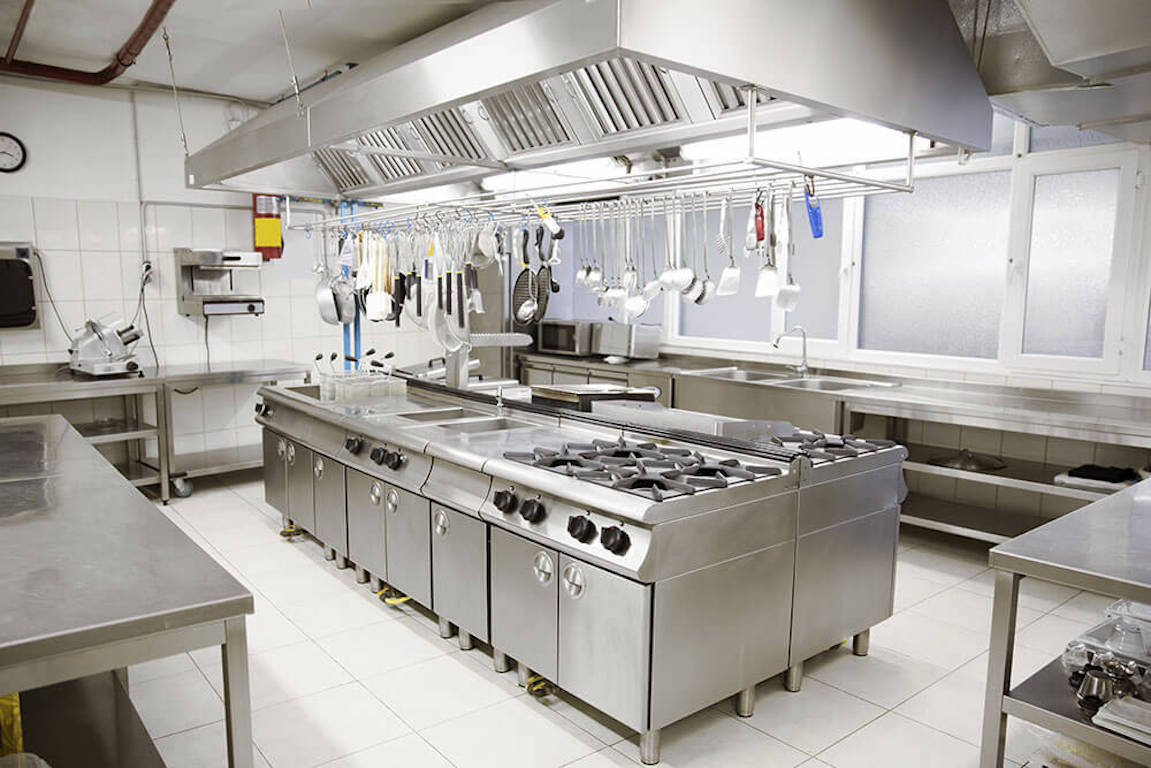
I’ve been building clubs for close to 20 years, and I get a lot of questions about what it means to be a professional club builder and run a build shop. It’s a lot different than being a hobbyist who does a few repairs or has put together a club or two in their garage—similar to how a regular home cook is not a trained chef. But please note, like many, I started off as a hobby builder myself!
Now, it’s not to say that you can’t become a professional chef without proper training. In fact, many of the best chefs I know have worked from the ground up with no formal training but have put many years into their craft to get where they are today.
So how does all this cooking talk relate back to club building? Although the mediums are very different, the processes to create the final products are more similar than you might think, and at the end of the day, the goal is the same—deliver a great product over and over again.
The starting point – Good ingredients


Building a set of clubs and creating a great dish is all about working with raw ingredients, and for golf clubs that means using high-quality components with tight tolerances. Sourcing from manufacturers that offer tight specs and components to properly assemble (if required), is like buying your vegetables from a local farmer. You know where they come from, you know how they were produced, and you know where to go if you have an issue.
Quality will always come with a price—tighter tolerances, and fresh ingredients might be a bit more expensive, but you will always get out of a meal or set of clubs what you put in. If you want an end product you are truly going to enjoy, professional chefs, just like club builders, are going to go to the end of the earth to search out the best ingredients for the dish they plan to create.
Prep work – Knowing your recipe
This is the boring part, always has and always will be. It’s about washing the veggies, chopping to size, organizing into portions, and storing until it’s time to cook.

For club builders, this is the make-or-break time of building a set—it’s making sure you have weighed out all of the components, sorted and organized, and spotted any potential issues with what you are working with and making a correction. For clubheads, that means taking into account the required build specs and adjusting head weight accordingly—no different to making a dish ordered spicy rather than mild—you better get it right or it’s coming back.


Once you have taken all the steps to get your ingredients/components prepped to make your dish according to the recipe/specs, we move onto the next process of putting everything together. If you have followed all the appropriate steps to this point, whether you’re a club builder or a chef, this is one of the fastest parts of the process.
For clubs, once the epoxy has been mixed, it takes as little as 15 minutes to actually assemble a 14-piece set, for a chef it’s similar. The dish comes together in the pan with pre-organized and portioned out ingredients and boom – you have a fully cooked dish in a matter of minutes. No chef starts peeling potatoes when an order is placed.
Work area – cleanliness & organization

This is where I draw a direct comparison, from a chef in their kitchen to a club builder – a clean and organized workspace, to me is the greatest sign of a professional. If you have ever walked into a restaurant with an open kitchen concept, it inspires confidence to see clean counters, organized utensils, and a work area organized and ready for action – if you see a dirty kitchen or a health inspection notice on the door – good chance you’re not stopping to eat.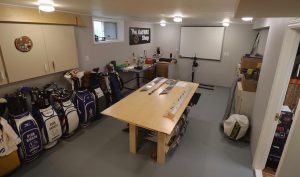
A build shop should be no different—counters should be tidy, tools should be clean and well maintained for safety as well as precision, and components along with small parts should be organized and quickly accessible at all times. It should be considered a source of pride to maintain a clean workspace as much as it is to deliver a well-built set of clubs or a perfect dish, I have never trusted a messy club builder.
Final preparation
You can do everything right to this point, both as a chef or as a club builder, but if the presentation isn’t right then the customer isn’t likely to be happy—nor should they.
With food that final step means platings—and there is a big difference between a discount $5 buffet and a farm to table chef-inspired tasting menu—it doesn’t take a keen eye to spot the difference.

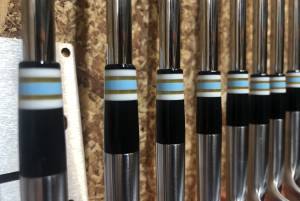
As for clubs, it’s the little things, many of which won’t be noticed by the naked eye or at first glance: lies and lofts, the number of tape wraps under a grip, or swing weight. Those are all things that a golfer must trust was done correctly by their builder. The other part is what can be seen, just like meal plating—no bend marks on hosels, grips on straight, and last but not least, the ferrules turned down properly.

This is my biggest sticking point, because if a club builder isn’t willing to take the time to properly finish one of the most noticeable parts on a club, the ferrules, what else have they potentially skipped out on? Can you trust the lies and loft are right? Can you trust the grips are on correctly with the right amount of tape? Did they even take the time to do the proper prep work?
Any true professional in a skilled trade, whether it be a club builder or chef, should always take pride in their work, and to be considered proper professionals they should also act accordingly, with attention to detail, and the goal of creating a delicious meal or well built set of clubs at the end of the day.
With that in mind, I present to you my finest meal plating…







Neal Shipley was the first to admit that he enjoyed his food while in college. But since his days at Ohio State, he’s slimmed down and earned a PGA Tour Card.
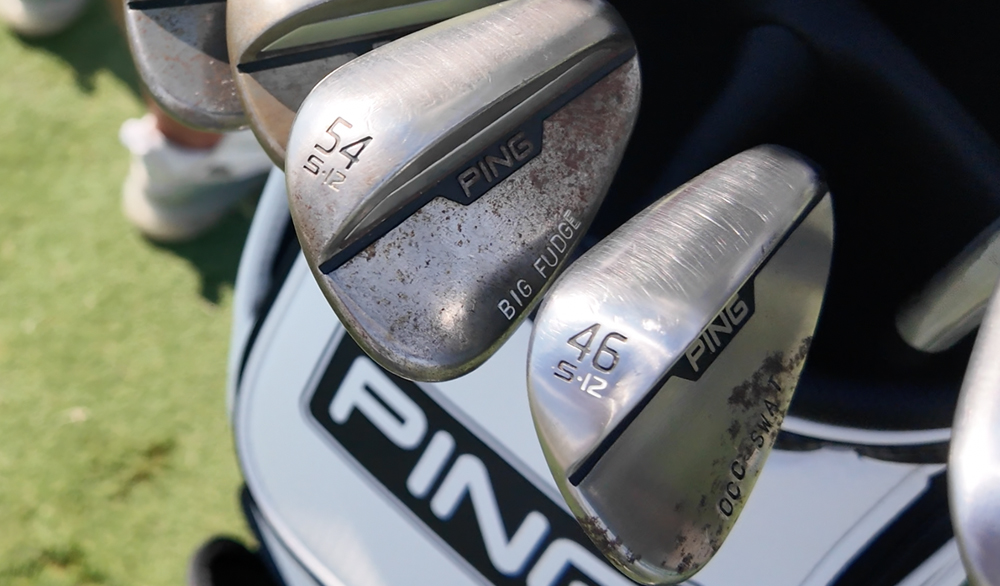
That hasn’t stopped him from having fun with his wedge stampings, though it’s led to some misunderstandings.
On the 54 (degree), we have ‘Big Fudge,'” Shipley told GolfWRX. “It was supposed to be ‘Big Fridge,’ so this happened a little while ago. ‘Big Fridge’ was a nickname between my college teammates and I, with ‘fridge’ meaning stomach, a big stomach.
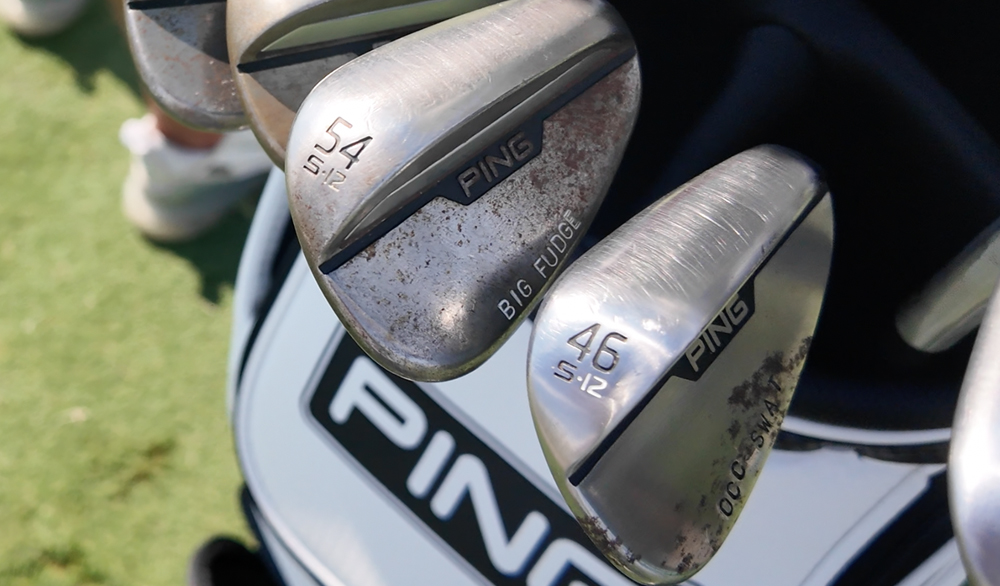
“We told the Ping guys to put … ‘Big Fridge’ on it, and I think maybe some bad cell service or something, and they thought I said ‘fudge,’ so they put fudge on it.”
On Shipley’s 50-degree he also continues the food theme, this time with his go-to order at the “Golden Arches,” and his stamping “DONS 7.”
“The number 7 meal, the two cheeseburger meal, that was my McDonald’s order, back when I would have McDonald’s frequently,” Shipley shared.

At GolfWRX, we are a community of like-minded individuals who all experience and express our enjoyment of the game in many ways.
It’s that sense of community that drives day-to-day interactions in the forums on topics that range from best driver to what marker you use to mark your ball. It even allows us to share another thing we all love – buying and selling equipment.
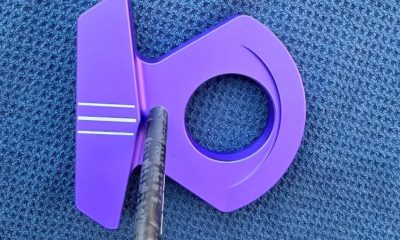
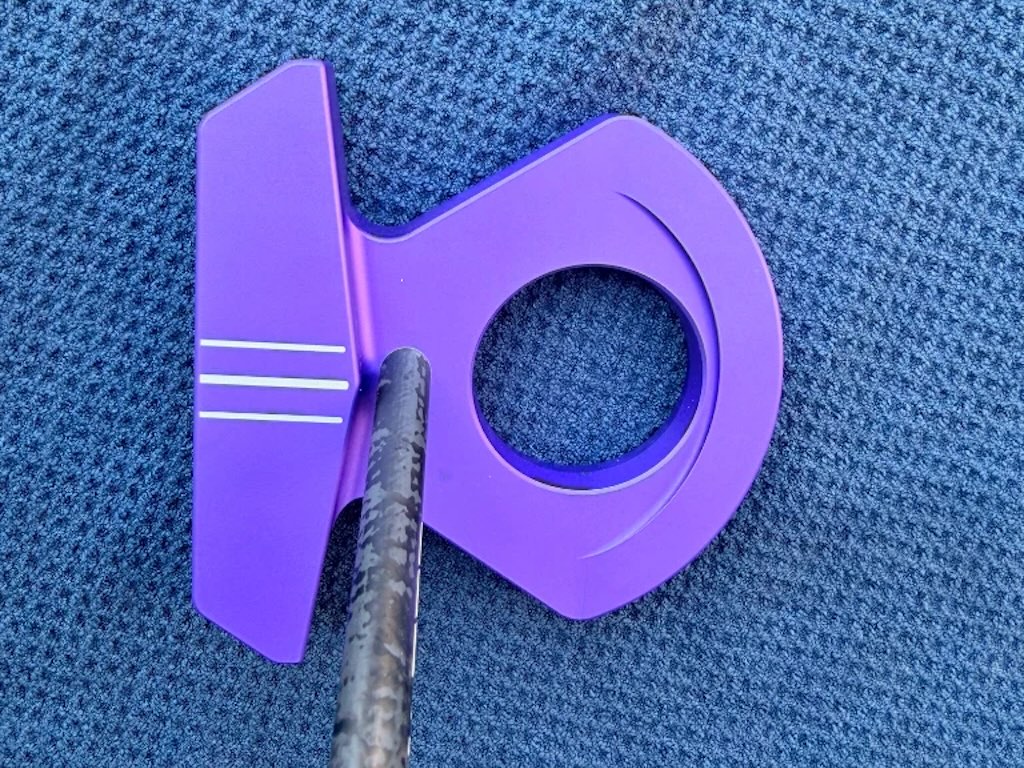
Currently, in our GolfWRX buy/sell/trade (BST) forum, @raw10628 has a L.A.B. DF3 putter and Masters putter cover up for grabs.

From the listing: “Some great items here today, time to thin out and make room for next set of gear. All prices include shipping.
LAB DF3 Purple 33.5” 68° lie with TPT – $725. LAB Masters release DF3 cover – $150.”
To check out the full listing in our BST forum, head through the link. If you are curious about the rules to participate in the BST Forum, you can learn more here: GolfWRX BST Rules


Driver: Ping G440 LST (9 degrees)
Shaft: Accra TourZ Green 5-M4

3-wood: Ping G440 Max (15 degrees)
Shaft: Accra TourZ Green 6-M4

5-wood: Ping G440 Max (19 degrees @18)
Shaft: Accra TourZ Green 6-M4

Hybrid: Ping G440 (23 degrees)
Shaft: Oban Isawa Red Hybrid Shaft 04 Flex 70 Gms

Irons: Srixon ZXi7 (5-P)
Shafts: Aerotech SteelFiber Private Reserve i80

Wedges: Cleveland RTZ (50-MID, 54-FULL, 58-MID)
Shafts: Aerotech SteelFiber Private Reserve i105

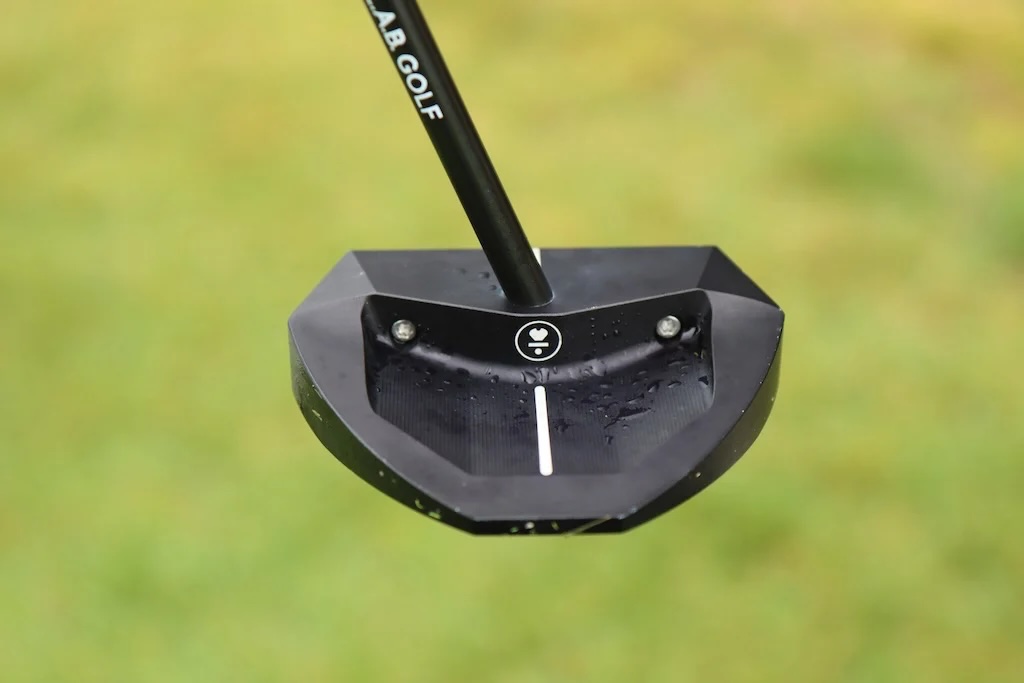
Putter: L.A.B. Golf OZ.1i
Shaft: ACCRA Putter Shaft
Grips: Golf Pride Tour Velvet

Aaron Rai’s winning WITB: 2026 PGA Championship

Russell Henley’s winning WITB: 2026 Charles Schwab Challenge

Photos from the 2026 CJ Cup Byron Nelson

CJ Cup Byron Nelson Tour Report: Koepka and Kim’s newest putters finally get hot

Charles Schwab Challenge Tour Report: MacIntyre, Åberg and Spaun all switch putters, TaylorMade launches new Spider

Details on J.J. Spaun’s surprise putter switch

GolfWRX Launch Report: 2026 Titleist GTS drivers

Photos from the 2026 Charles Schwab Challenge

PGA Championship Tour Report: Fitzpatrick, Koepka among big-name putter switches for Aronimink

Photos from the ShopRite LPGA


Maria Torres WITB 2026 (June)
Driver: Ping G440 LST (9 degrees) Shaft: Accra TourZ Green 5-M4 3-wood: Ping G440 Max (15 degrees) Shaft: Accra TourZ Green 6-M4 5-wood: Ping G440...


Eric Cole WITB 2026 (June)
Driver: PXG Lightning Tour Max (9 degrees) Shaft: Project X Titan Yellow 70 TX 3-wood: TaylorMade Qi4D (15 degrees) Shaft:...


Si Woo Kim WITB 2026 (May)
Driver: Callaway Quantum Triple Diamond (8.5 degrees) Shaft: Fujikura Ventus Black 6 X Mini driver: Callaway Paradym Ai Smoke Mini...


Wyndham Clark’s winning WITB: 2026 CJ Cup Byron Nelson
Driver: TaylorMade Qi4D (10.5 degrees) Shaft: Project X Titan Yellow 60 TX 3-wood: TaylorMade Qi4D Tour (15 degrees) Shaft: Project...


Pingback: From Sunday bags to club fitting: My favorite pieces of 2020 – GolfWRX
Michael
Jul 31, 2020 at 10:23 am
Where is the best place to get foundational education to become a club builder? Thanks for your time and the great article.
Jonathan Weaver
Jul 30, 2020 at 8:14 pm
Someone is loving the Boyd’s!
C
Jul 30, 2020 at 7:14 am
Ferrule. I loathe that word as an amateur club builder.
Veo Robert
Jul 29, 2020 at 4:37 pm
Hi Ryan, I’m a professional chef in Boston and an aspiring club tinkerer, not gonna call myself a club builder, however i would like to be able to do so one day. You speak like someone who’s cooked professionally, i wouldn’t be surprised if you have. How true it is to be organized, meticulous and clean throughout the process of cooking, very well said in this matter. This article gives me great joy and hope that one day i can navigate the wonderful of golf equipment to be able to call myself a club builder. Thank you and keep up the great work. PS: get in touch if you ever in Boston, would love to treat you to a good meal, and maybe play a round.
Ryan Barath
Jul 29, 2020 at 9:58 pm
Thanks for the kind words.
I am by no means a chef but do a lot of home cooking as well as have a number of friends in the industry that are true chefs. I spent a few years in the restaurant business doing craft beer sales and spent a lot of time in restaurants – the absolutely great ones are easy to spot if you’ve walked about a kitchen – clean, organized, and ready for action. It was how I was able to draw such a parallel for this piece.