
Equipment
From a Fitter: An in-depth discussion of wedge bounce, grind, loft and lie


Wedge fitting is an interesting subject due to so many variables of the player and the course we play on. This article is to help break a few components down and help you make better choices when purchasing wedges.
Bounce is generally given a number which is a reference to the angle measured through the center portion of the sole of a club, from leading to trailing edge. The larger the angle, the more bounce you have, and the lower, the less bounce you have. No doubt this is a handy number to know, but for me, it is only the beginning of understanding the wedge.
It has often been said that “better players” use lower bounce, but this is not always true. Many tour players use higher bounce wedges these days, with special grinds (shapes of the club’s sole). Do not get pigeon-holed into a wedge option because of your handicap!
For me, wedge fitting is about versatility, forgiveness, and compatibility for that one player’s style.
I start the wedge fitting with an intensive interview process about the player’s entire bag layout and how many wedges can be fit into the bag. I then discuss their perception of the shots they play a lot of (specific yardages, flights of shot, etc.). Finally, we discuss the conditions of their most played course. Unfortunately, a lot of us do not have the luxury of owning multiple sets of wedges for all conditions, but if I can give a set of wedges some versatility, that will give the player more choice of shot from course to course.
I then measure a player’s angle of attack with their PW through to their highest loft wedge with what I call their “stock shot” or most played shot with that wedge. This process is really just an indicator of the options I will try first.
From here, it is very much player-driven. We move to the grassed area and cycle lofts, bounce and grind options. Not letting a player hit too many shots with each (otherwise they can start to manipulate the wedge too much from their normal action, especially good players). We look at divots and flight, keeping an eye especially on the bad shots and how they feel through the turf and how the shots fly/land. During my intensive sessions, we also go to a bunker area and play sand shots and shots to a green to hone in specialist areas of the short game.
Generics I use for grind
- Players who play ‘square to square’ shots, such as bump and runs, or mid-flight shots often deliver leading edge to the ground first. Depending on conditions I combat this with leading-edge relief i.e the shape of the sole looks like a V from heel to toe. Sometimes a softer rounded leading edge can also do the trick.
- Players who hit lots of flop shots and try to manipulate the club on the ground. I experiment with variations of heel and trailing edge relief. These players often have success with aggressive grinds, as when the club is splayed open they feel as though the missing heel and trailing edge material allows the leading edge to sit snug to the surface, and it prevents the club bouncing too much through strike.
Ultimately, I facilitate a player with options and information.
The number one key of knowing you have the right wedge is clean strike! This means the club does not want to dig or bounce, but is allowed to slide through the ball and turf delivering the loft you intended.
One of the big areas that gets missed for me is the loft and lie adjustments. If a player’s lie is way out when testing a wedge, it can make it impossible to use. During a session, I try to keep uniformity between iron setup and wedge setup ensuring distance gaps are covered. This means I manipulate lofts and lies during the fitting. I have to be aware of the implications of bounce and turf interaction as I bend loft due to it adjusting the look of offset and most importantly the presentation of leading and trailing edge. The lie is just as important: one little tweak the right way and strikes can go from average to perfect.
Generics of loft and lie adjustment
- Adding loft can deliver more trailing edge, de-lofting can present more leading edge.
- Having more upright lies can help ‘square to square’ players, whereas flatter lie angles can help the Mickleson flop shot specialists!
- It’s not uncommon for me to flatten a player’s lob wedge a little more to allow that shaft to lay down easier.
Key points to get the most out of your wedge fitting
- Test options outside on turf.
- Do not base your fitting on just your angle of attack!
- Play lots of style of shots during testing.
- Make sure you have enough wedges to cover important distance and shot types for your game (have versatility in your wedge setup).
- Make sure length, loft and lie have been accounted for—as for shaft, that’s another article!
If you attain all of this and like the look and feel of your wedges, you will be set to play your best golf home and away. No matter the lie you encounter, you will feel you have a tool for the job at hand. This gives you the confidence in your swing at the scoring end of the game.







Neal Shipley was the first to admit that he enjoyed his food while in college. But since his days at Ohio State, he’s slimmed down and earned a PGA Tour Card.
That hasn’t stopped him from having fun with his wedge stampings, though it’s led to some misunderstandings.
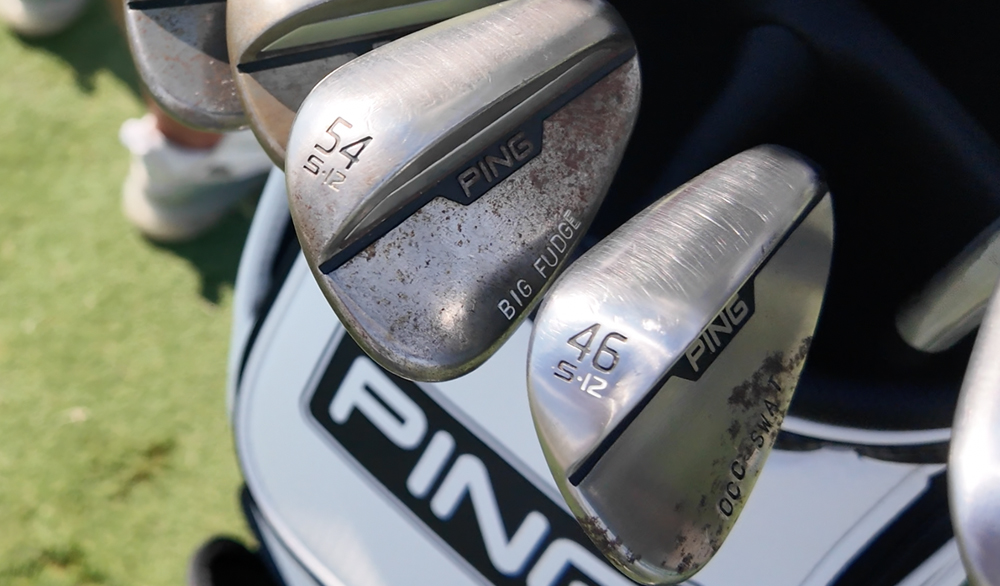
On the 54 (degree), we have ‘Big Fudge,'” Shipley told GolfWRX. “It was supposed to be ‘Big Fridge,’ so this happened a little while ago. ‘Big Fridge’ was a nickname between my college teammates and I, with ‘fridge’ meaning stomach, a big stomach.
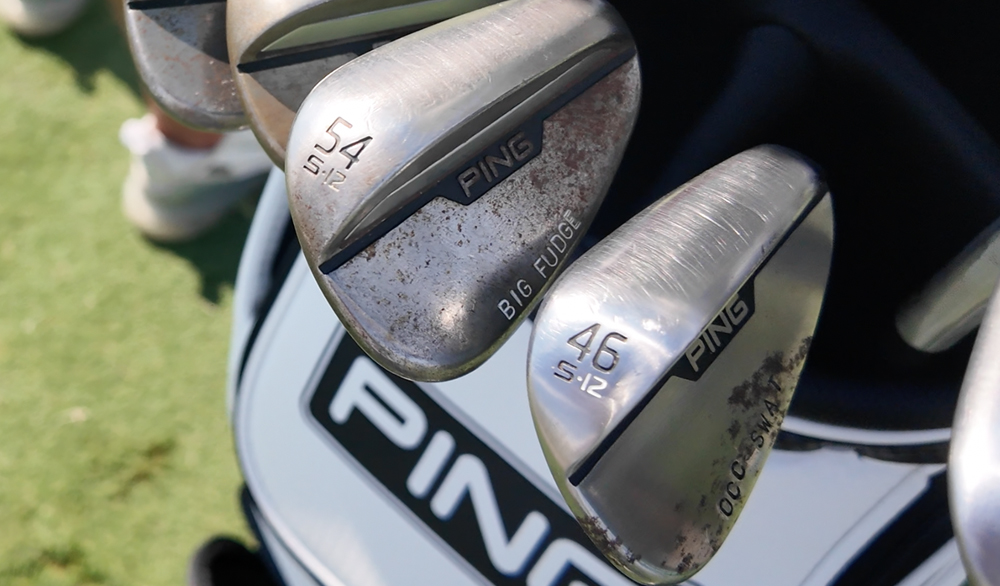
“We told the Ping guys to put … ‘Big Fridge’ on it, and I think maybe some bad cell service or something, and they thought I said ‘fudge,’ so they put fudge on it.”
On Shipley’s 50-degree he also continues the food theme, this time with his go-to order at the “Golden Arches,” and his stamping “DONS 7.”
“The number 7 meal, the two cheeseburger meal, that was my McDonald’s order, back when I would have McDonald’s frequently,” Shipley shared.

At GolfWRX, we are a community of like-minded individuals who all experience and express our enjoyment of the game in many ways.
It’s that sense of community that drives day-to-day interactions in the forums on topics that range from best driver to what marker you use to mark your ball. It even allows us to share another thing we all love – buying and selling equipment.
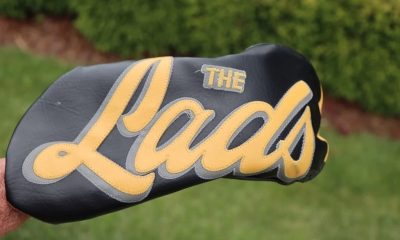
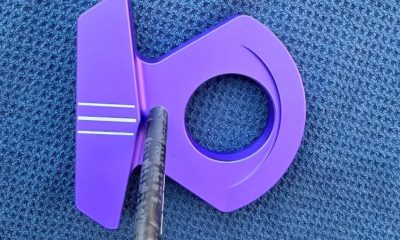
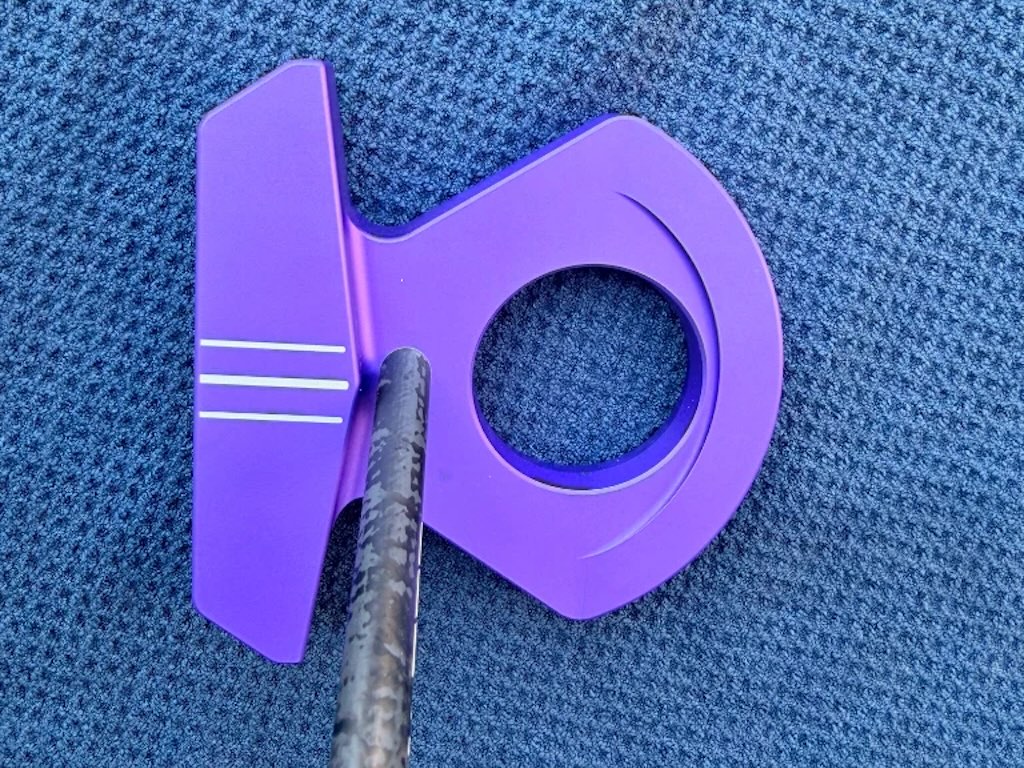
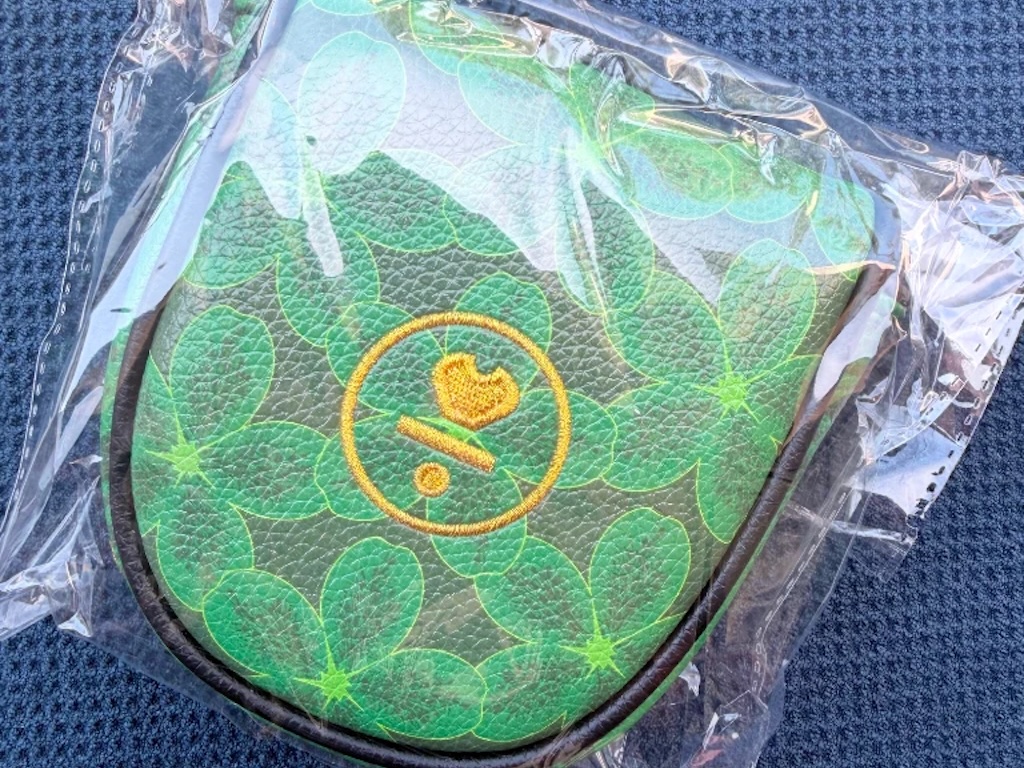
Currently, in our GolfWRX buy/sell/trade (BST) forum, @raw10628 has a L.A.B. DF3 putter and Masters putter cover up for grabs.
From the listing: “Some great items here today, time to thin out and make room for next set of gear. All prices include shipping.
LAB DF3 Purple 33.5” 68° lie with TPT – $725. LAB Masters release DF3 cover – $150.”
To check out the full listing in our BST forum, head through the link. If you are curious about the rules to participate in the BST Forum, you can learn more here: GolfWRX BST Rules

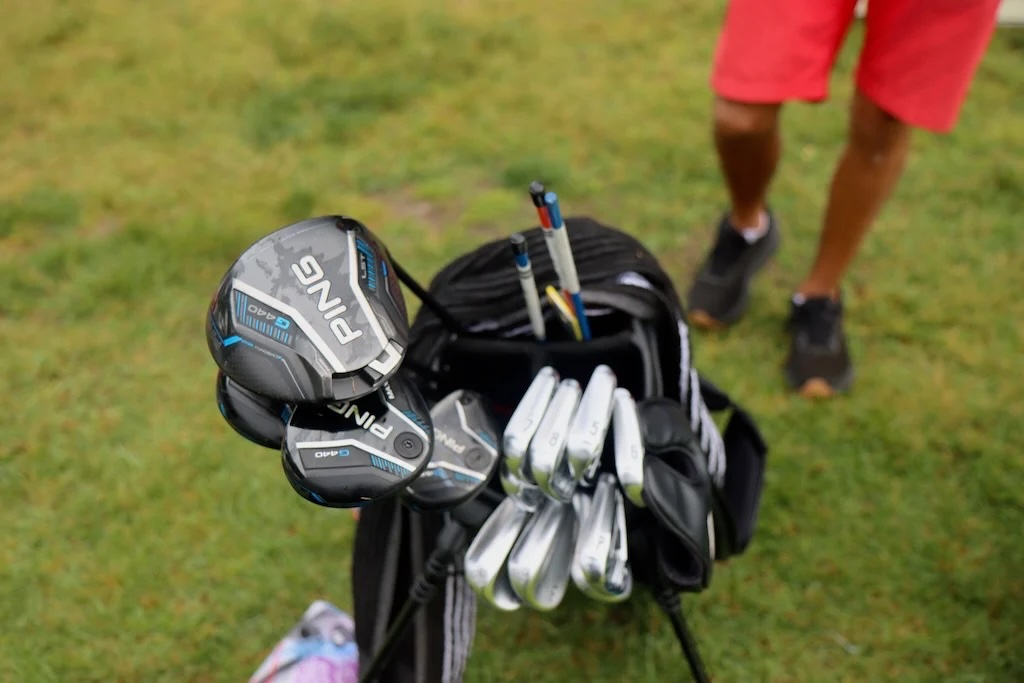
Driver: Ping G440 LST (9 degrees)
Shaft: Accra TourZ Green 5-M4
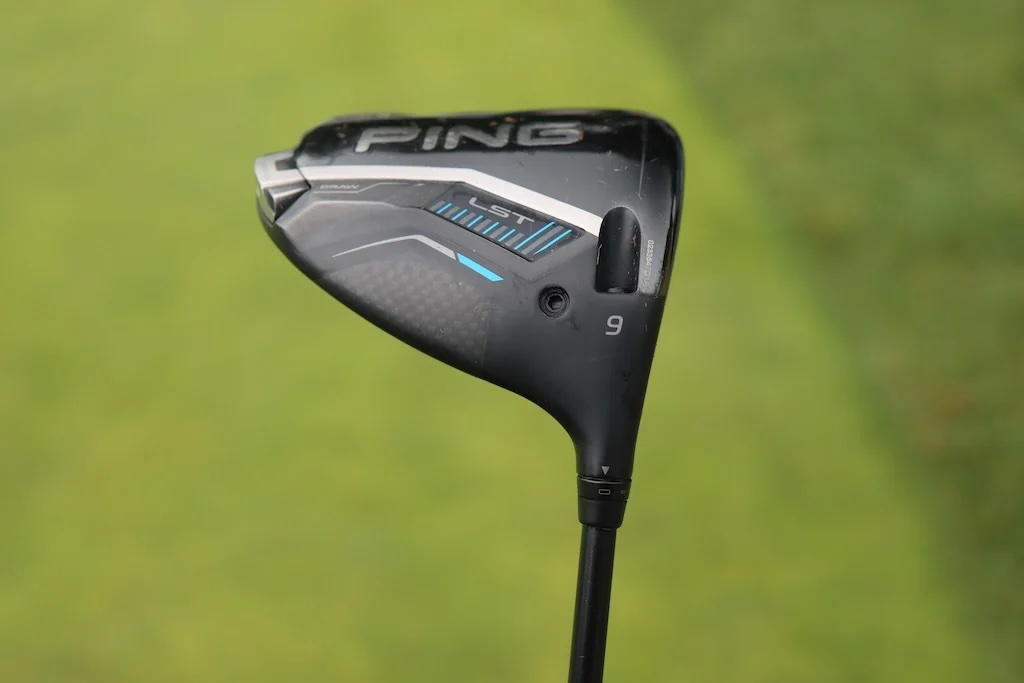
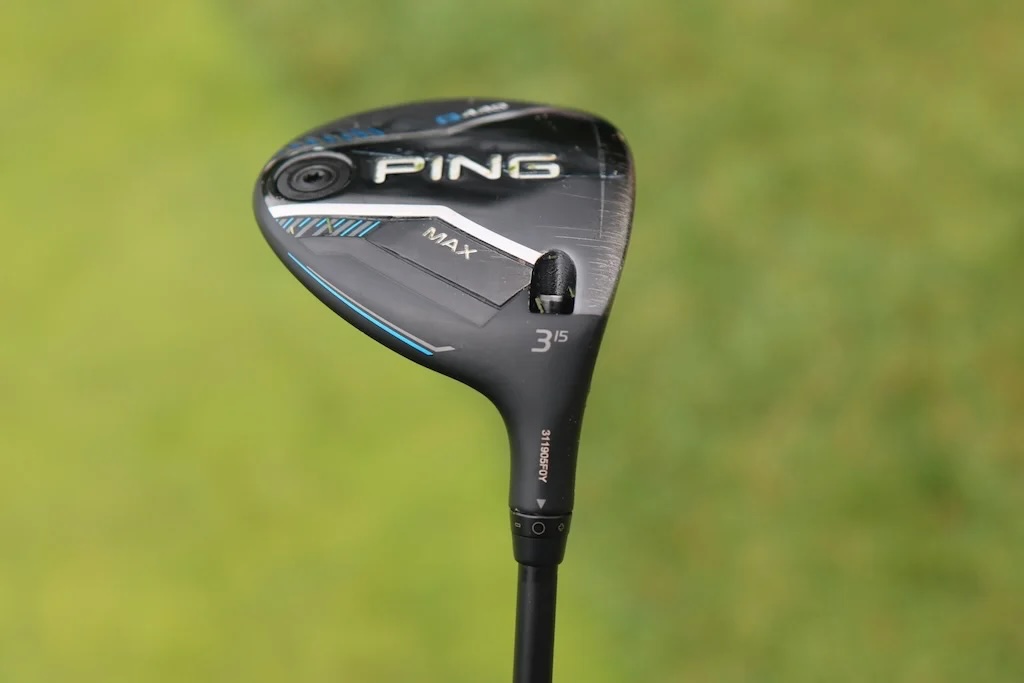
3-wood: Ping G440 Max (15 degrees)
Shaft: Accra TourZ Green 6-M4
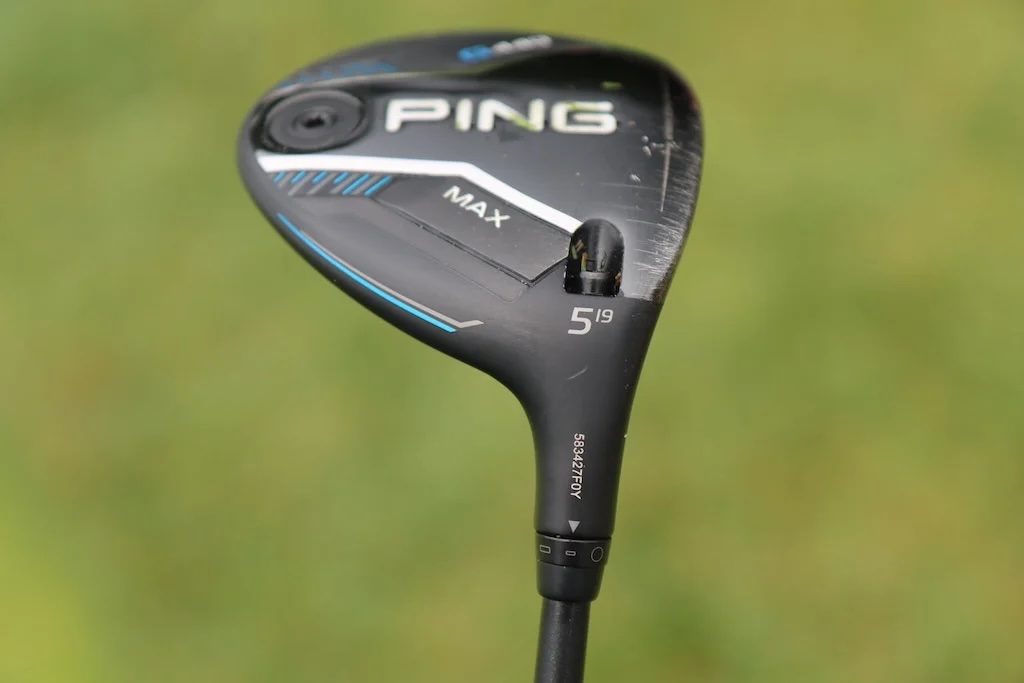
5-wood: Ping G440 Max (19 degrees @18)
Shaft: Accra TourZ Green 6-M4
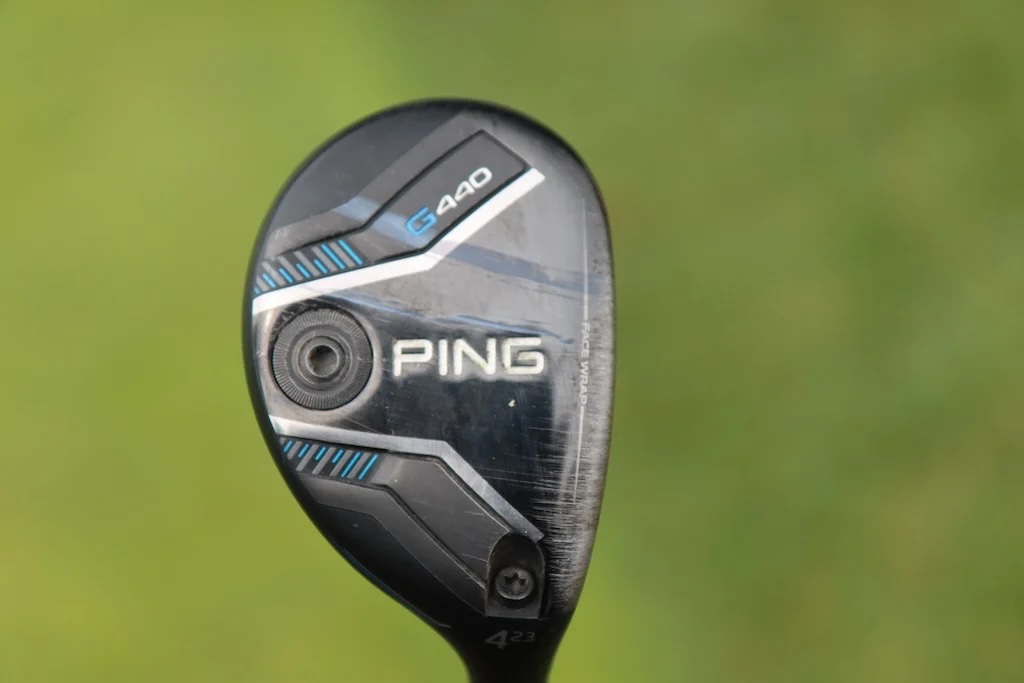
Hybrid: Ping G440 (23 degrees)
Shaft: Oban Isawa Red Hybrid Shaft 04 Flex 70 Gms
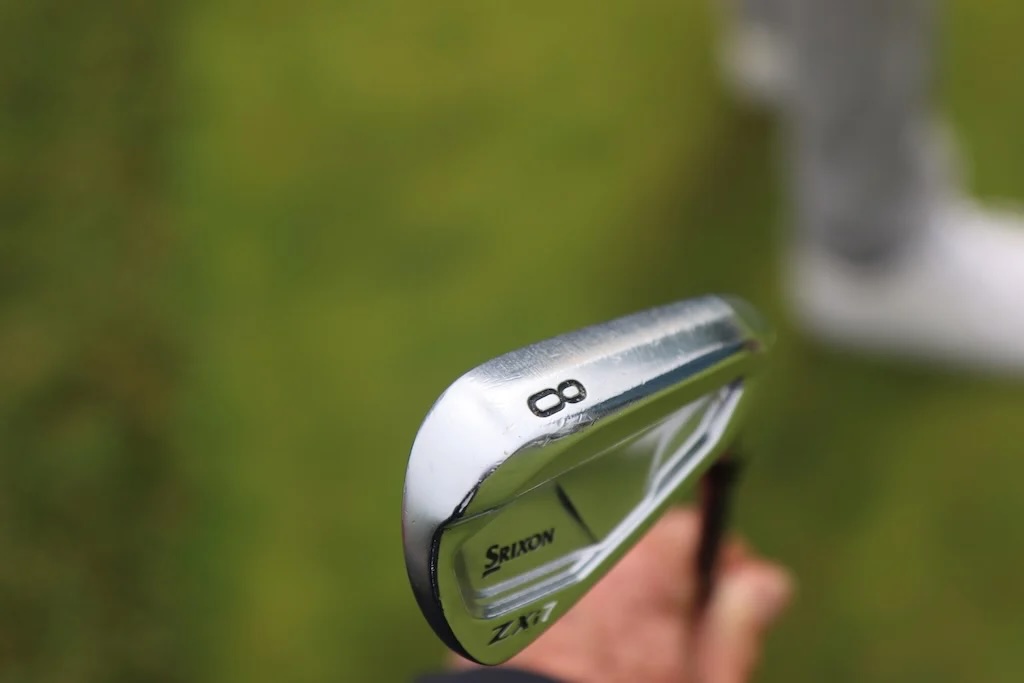
Irons: Srixon ZXi7 (5-P)
Shafts: Aerotech SteelFiber Private Reserve i80
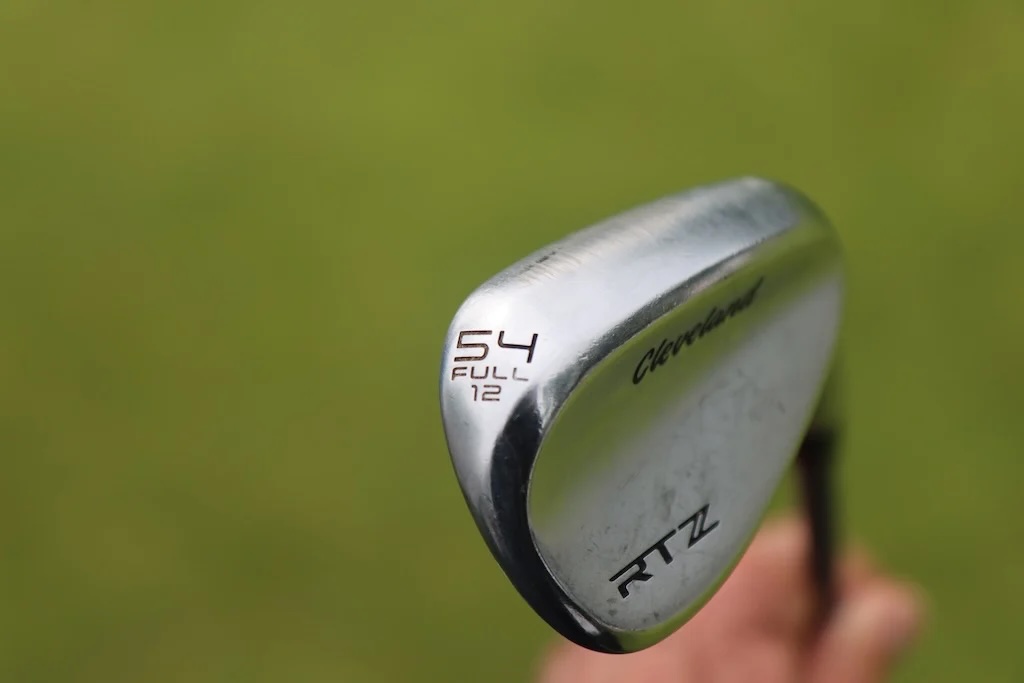
Wedges: Cleveland RTZ (50-MID, 54-FULL, 58-MID)
Shafts: Aerotech SteelFiber Private Reserve i105
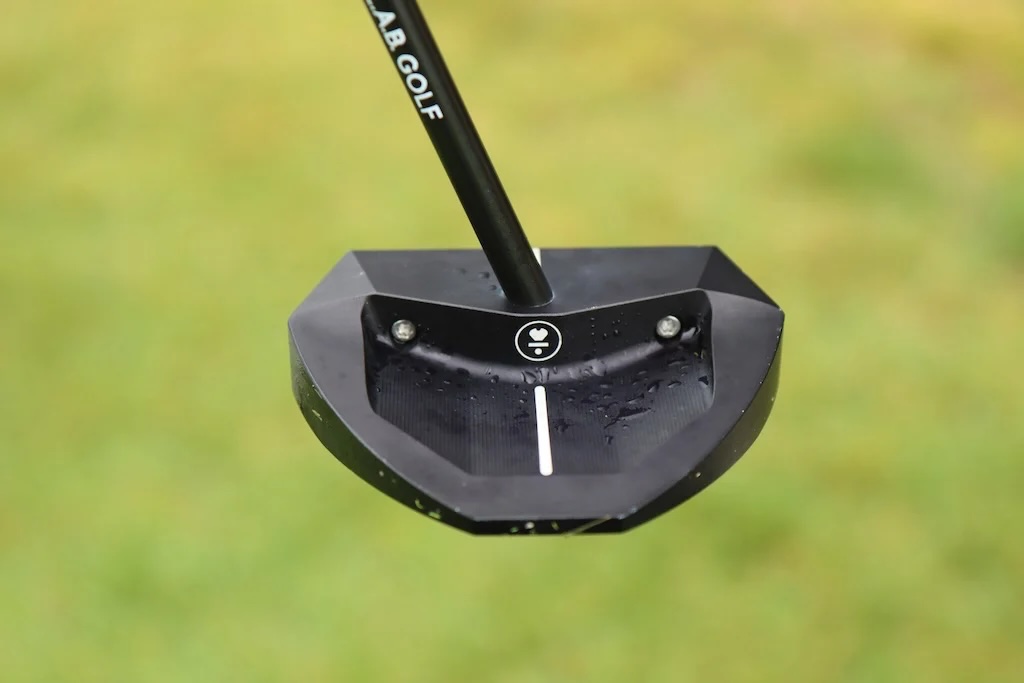
Putter: L.A.B. Golf OZ.1i
Shaft: ACCRA Putter Shaft
Grips: Golf Pride Tour Velvet

Aaron Rai’s winning WITB: 2026 PGA Championship

Russell Henley’s winning WITB: 2026 Charles Schwab Challenge

Photos from the 2026 CJ Cup Byron Nelson

CJ Cup Byron Nelson Tour Report: Koepka and Kim’s newest putters finally get hot

Charles Schwab Challenge Tour Report: MacIntyre, Åberg and Spaun all switch putters, TaylorMade launches new Spider

Details on J.J. Spaun’s surprise putter switch

GolfWRX Launch Report: 2026 Titleist GTS drivers

Photos from the 2026 Charles Schwab Challenge

PGA Championship Tour Report: Fitzpatrick, Koepka among big-name putter switches for Aronimink

Photos from the ShopRite LPGA


Maria Torres WITB 2026 (June)
Driver: Ping G440 LST (9 degrees) Shaft: Accra TourZ Green 5-M4 3-wood: Ping G440 Max (15 degrees) Shaft: Accra TourZ Green 6-M4 5-wood: Ping G440...


Eric Cole WITB 2026 (June)
Driver: PXG Lightning Tour Max (9 degrees) Shaft: Project X Titan Yellow 70 TX 3-wood: TaylorMade Qi4D (15 degrees) Shaft:...


Si Woo Kim WITB 2026 (May)
Driver: Callaway Quantum Triple Diamond (8.5 degrees) Shaft: Fujikura Ventus Black 6 X Mini driver: Callaway Paradym Ai Smoke Mini...


Wyndham Clark’s winning WITB: 2026 CJ Cup Byron Nelson
Driver: TaylorMade Qi4D (10.5 degrees) Shaft: Project X Titan Yellow 60 TX 3-wood: TaylorMade Qi4D Tour (15 degrees) Shaft: Project...


freowho
Dec 31, 2019 at 5:59 pm
Good article. I agree with a slighlty flatter lie angle for flop shots but it makes the club hard to use for full shots. So the lob wedge basically becomes a specialty shot only club. I think if you are someone who enjoys playing different courses you do need a a couple of different setups. If I was playing a firm course I would carry the specialty 60 which means I would need a good 56 for pitch shots. If I was playing a softer course I might carry a 58 with more bounce instead of the 56 and 60.
Dan
Dec 31, 2019 at 1:49 am
Good to know mate. Interested in your next article about wedge flex. As I play with Ap1 R300 shafts. I was fitted with a vokey wedge, 46F bounce 10. Half an inch long, 1 degree flat. Brought 3 more vokey wedges, same length and lie off a mate. Which have been upgraded to KBS hi rev 2.0 125/S. The feel and contact are amazing. Thinking about doing the same with my 46F. Your thoughts.
Jack
Jan 1, 2020 at 4:50 pm
Hi Dan,
Thanks for the comment. I will go into a little more depth in the article but I would base your 46* on shots you hit the most – Generally this will be fuller shots for most players, therefore I would install the shaft that matches the rest of your iron setup (if you have been fit for those and enjoy their performance etc.. too).
ht
Dec 30, 2019 at 3:04 pm
Yeah this is great info. Thank you. Looking forward to the wedge shaft post
Adam
Dec 30, 2019 at 1:40 am
Very informative. Thank you