
News
Is the BioMech putting sensor/app an essential for improvement? Here’s a deep dive interview

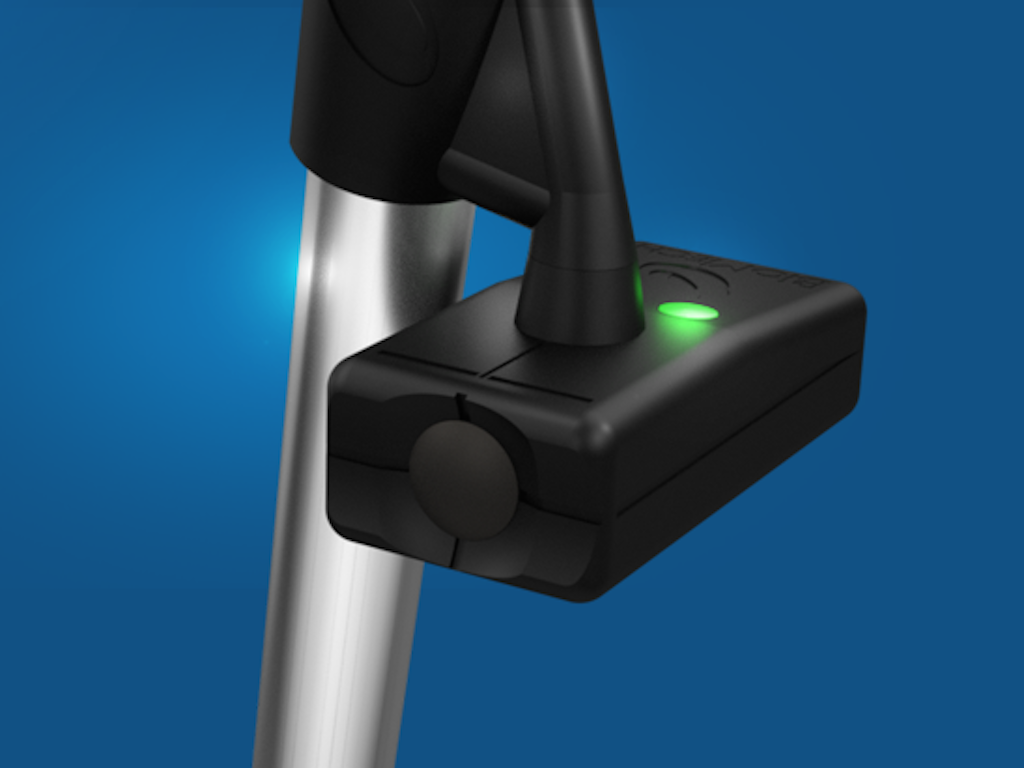
A couple of years ago, Dr. Frank Fornari and BioMech created a stir with the BioMech Acculock ACE putter, a radical new putter design that integrated the principles of biometrics, the science of motion. The putter was designed to be used with a specific type of putting stroke that would be proven by the BioMech team to be the ideal method for putting. The putter developed a cult following, but the BioMech team is back with a tool that just might break into the mainstream.
Fornari’s team has developed the BioMech putting sensor and app. The sensor attaches to any putter and transmits data about each putt to an app that can run on any iPhone or iPad. It provides key data on what the player is doing, when they are doing it and why they are doing it, making the BioMech sensor effective whether you are a player, an instructor or even a manufacturer. With the golf industry driven more than ever by technology, the BioMech sensor could become as essential to putting and the short game as Trackman is to the full swing. I had a chance to sit down with some of the key personnel at BioMech to talk about the sensor and app, and why they are confident that they have the product that will change the way people learn, teach, practice and play.
Joining the conversation were BioMech CEO John Douglas, Dave Edel of Edel Golf, Director of the Pebble Beach Golf Academy Laird Small, and PGA Tour Professional Heath Slocum.

GolfWRX: So, let’s talk a little bit about the beginning of BioMech because I know John that you have a serious and complex background when it comes to science and learning technology and that sort of thing. How did you connect with BioMech and how did BioMech actually get connected to the game of golf?
John Douglas: Well Dr. Frank Fornari, who’s our chairman and founder, started BioMech. We met each other through some private equity and healthcare investment opportunities and started working together on a variety of notions and ideas we thought that we could bring to market to help improve quality of life. BioMech is a motion science company. We are scientists, engineers, clinicians, doctors and we’re focused on improving quality of life through improving quality of motion whether that activity is rehabilitative or whether you’re recovering from surgery or whether that’s actually putting a golf ball, and so it’s part in parcel to what we do. Now, what we do that we believe is unique in terms of technology is we try and take the highest technology that we can put into a format that people will use and deliver the most scientifically accurate and quantitative results in a format that people can easily understand.
GolfWRX: Right.
John Douglas: I started my career early on at Apple and candidly the take away from that for me was that the best technology is the technology that evaporates. It disappears, okay? It’s transparent because people don’t actually care about technology, what they care about is that they want to phone their mom or they want to get in touch with somebody or they want to send a message to somebody.
GolfWRX: Totally agree, I always say nobody knows how a refrigerator works but…
John Douglas: We all rely on it, right?
GolfWRX: Yes.
John Douglas: So, long story short, the intention is to take the highest resolution, most valid information and deliver it in the easiest to understand form to help people understand whatever it is they need to do to make them better.
GolfWRX: Outstanding. So, from concept to product, how many integrations did you go through and what the ups and downs of getting that done? Do we have enough time?
John Douglas: No, we can talk briefly about this but there are literally thousands, if not tens or even hundreds of thousands of cases of iterations to get everything just right and it’s about a five-year arc for the tech platform that we’re talking about. We’ve got real time sensors that operate over Bluetooth and optionally over Wi-Fi for stadium applications or sports applications, but they deliver the information in real time and by that we mean is 120 milliseconds for immediate delivery, immediate feedback.
GolfWRX: Imperceptible, really.
John Douglas: That’s exactly right and we’re able to do that from multiple points and because of that and because of the real-time nature we’re able to provide a Pavlovian experience where we’re reinforcing good behavior and moving people away from bad behavior.
GolfWRX: I’m imaging all the readers Googling “Pavlovian.” Laird Small, you are a Hall of Fame instructor. When you look at technology like this, because you’ve used thousands of things, to teach golf. You’ve used a stick in the ground, you’ve used a safety pin, you don’t need a lot. So, when you look at this technology, what convinced you that this is essential to the learning experience.

Laird Small: I think the first thing is ease of use and it’s extremely easy for the golf professional to use or even for the player to use. Also, how dependable is it and how accurate is it from a feedback and information standpoint and the fact that the information that this gives is spot on and it allows the player and the coach to be able to dial in exactly what it is that they want to work on in their putting stroke. It gives that information instantaneously, and what we find is that in this platform that we use, the golfer is truly so engaged in using it that it’s almost addictive. They can see their numbers change over time and they can see it change immediately, so by doing that, they want to continue to work on it because they’re seeing real time progress. So, it makes practice fun and usually practice and putting is very boring.
GolfWRX: If there’s anything that can make the putting practice experience more fun, then you’ve achieved something.
Laird Small: Right and the sensor is so small, it weighs about three quarters of an ounce and you put it right on the putter itself.
GolfWRX: I know there is a particular BioMech putter that advocates a style of putting but the sensor can be used on any putter?
Laird Small: Yes, any putter. Any putter, any stroke, any grip that you chose to have on the putter or grip type, it goes right on the instrument, and it only weighs three quarters of an ounce, so you can’t feel it on the club itself. Now, what’s so cool about it is that you can travel with it all over the place because most putting teaching is done indoors on large machines or it’s cumbersome and there’s stuff on the putter that actually disrupts the weight of putter. With the BioMech sensor, you go out on the putting green or what’s really cool, is you can go out on the golf course. See, what people are really interesting in is transferring the skill. They’re interested in transferring the skill from the practice facility to the golf course, and the question they always have is, “How come I can do it on the practice facility but I can’t do it on the golf course?” So, what you’re able to do with BioMech is to test what you do on practice facility and now go over to the golf course and actually see what happens and compare the data to see how your habits are either the same or how they have changed which gives great insights to the learning process and what each individual does.
GolfWRX: And it’s saving data that you can retrieve as an instructor later and it can also be sent real time to an instructor, correct?
Laird Small: Correct, we are able to see that right away.
GolfWRX: That’s fantastic, especially with a person like you who’s working with students literally all over the country, if not all over the world.
Laird Small: Correct. That’s exactly right, because usually a player calls in, “I’m struggling with my putting.” And okay, the questions have to be; What are you doing? What’s the ball doing? Is it going left, is it going right? As a remote instructor, you don’t know what’s actually happening, but these metrics are accurate so you’re able to see it and say “Okay, do this”. So, the conversations are easy and what it also does is help the player to trust their technique and that’s what’s so important. Once you can trust your technique and you can let go of it, you can actually just focus on the target and execute, and that’s what’s so spectacular about it. Most players, as you know Michael, have a dozen putters in their closet.
GolfWRX: At least.
Laird Small: And so then how do you know which one works for you correctly? “Well, I’ll try this one or I’ll try this one and now the magic’s gone away from this one.” So, what this sensor allows us to do is confirm that each putter has different properties to it, different weights, design, different concepts. It allows us to tell exactly which putter preforms better for you, and then you can stay with that putter and work towards perfecting the motion with that putter. That’s why I was so excited to introduce Dave Edel to this product because it really helps the putter fitter and it helps the manufacturer as well.
GolfWRX: Very interesting stuff. Dave, let’s go to you. You’ve seen technology like this come and go, so the idea of having a putting analysis system that isn’t exactly ground breaking here. There are a number of data out there so, from your perspective, as a top level manufacturer, what makes this exceptional as a tool?
Dave Edel: Well, I think it comes down to the fact that, as a putter maker, to me it’s not about me making putters to sell a widget, for me it’s about a conceptual understanding of how people can get better and the tools needed to do that and for years, putting diagnostic applications in been in the industry and they’ve evolved but they’re still, like I said, very cumbersome, they’re-
GolfWRX: Expensive?
Dave Edel: Yes. And they’re basically, they’re there to show the flaws in what someone’s doing but what I look at from a manufacturing standpoint and not from a manufacturing standpoint but more from a conceptual standpoint is to build my company around the core fundamentals of how people get better. So I build the putting fitting that has 25 million variations in it. What does that mean? It means it gives me the tools to give to Lawrence and every other fitter and teacher out there the ability to quantify why that variable is better. Now, let’s say I change aim from someone who aims a foot left, right? Now they’re been married to their motion for five years or their whole life that was an inside out blocking motion to offset the left aim, they get my putter that aims better and now they miss right instead of maybe making the put and what it allows me and the people involved in Edel is the ability to take a diagnostic like this which is portable, which is taken all the best analytics in the industry can offer and they go on steroids and they take care of everything I need to have happen and how does it report, what can I study, what can I give to the person so they can take that putter and now work on their stroke in a way that is beneficial and my putter never gets thrown under the bus, right? For, “Wow, I’ve got this expensive putter and went through the fitting process, totally believe in it, can roll the speed, but I miss it right every time.” Well that’s because your stroke, you don’t understand your stroke pattern. You understood it for the other putter but you don’t-
GolfWRX: And like you say, when you have a system that gives you, what? 25 million variations, you said?
Dave Edel: Yeah.
GolfWRX: Right so now you are mechanically able to respond to the data of what looks good and what works well. You can respond to that. So, that’s what I like. The idea that you can respond technically to what you get statistically.
Dave Edel: Exactly. Right. I mean, people need ways to quantify it and if you go on the putting green, why if in the past you’d get a sensor that would say, “Oh, I missed the put two degrees open.” Yet the ball went left.
GolfWRX: Right.

Dave Edel: The person’s saying, “How do I understand that?” Well, it’s the three axes of how that putter works in space, time, and motion and any one thing could be sending the ball in a different direction than maybe another sensor would say. This BioMech sensor is so sensitive and the application is so fantastic that it’s actually tracking in space, time, and motion in the stroke, where that putter faces and what velocity that head is moving and capturing the face rotation rate that makes that ball move so I can make a great putter. And then I can have that person go away and get the BioMech sensor and go get even better.
GolfWRX: Actually, what it all comes down to.
Dave Edel: I’m a performance-based company. That’s all I care about. I don’t care about selling people putters, I care about them getting better. I should be able to sell a putter if I do that and if I have that consciousness.
GolfWRX: Sadly, you are not in the majority in that.
Dave Edel: And, by the way, I should say we have had the great benefit of working with these wonderful gentleman in the development of this product and part of the way we look at the world in terms of building products, is that this is always an interactive experience, that no product is ever done and the best ideas for how we can improve communication and deliver this kind of information always come from our clients and from our partners and these folks are great at that.
GolfWRX: Beautiful. So, we’ve talked to the butcher, the baker, and the candlestick maker; let’s talk to the guy who has to actually go use this and make a living on it. So, Heath Slocum, as a player, it is literally all about performance for you. All you care about is does this thing make the ball go in the hole and you being the engine that drives that. From a player’s prospective, you’re a talented person, obviously, and you know how to make adjustments much more than anybody, how did you come to find that this is an effective tool for you that doesn’t hinder your natural ability, rather it helps you and augments your natural ability.
Heath Slocum: Well, like you said, it’s all about performance when you’re playing on the PGA tour and you’re trying to make a living with anything, with your equipment.
GolfWRX: Even if it’s a stick in a coke can.
Heath Slocum: Absolutely. So, I’m looking for the best equipment and the best technology out there that helps me find a quarter of a shot a day. I mean, we’re talking nothing. A shot a tournament just completely adds up at the end of the year. I was fortunate enough to become a partner with BioMech and to see where this was going and to see how this could actually help my own golf game, right? So, I’m always looking. Fortunate enough for me, Dave Edel not too long ago, and he fits me in a putter that he tells me is good for me, compare it to what I putted with for 15 years and to get better results. I’m able to take what he’s doing and to marry that with a sensor and to actually be able to see it, use it, quantify it, and then actually put some of this data together to make not only my sessions better but to walk myself in right before I go out and play.
GolfWRX: Right.
Heath Slocum: It’s such an easy tool to use. I get some of my best strokes when I’m playing my best; now I’ve got them locked in and I know what I’m doing and so if I struggle I can always go back and look and find the stuff and I don’t have to keep searching. I have it there, it’s easy to use and I can use it every single day.
GolfWRX: You know, it’s very interesting what you just said because of the whole saying that goes, “Same blank, different day.” But it’s really “different stuff, different day.”
Heath Slocum: Absolutely.
GolfWRX: You go out there and think you’re doing the exact same thing but you’re not so this is a way to say, “Why am I missing this to the right?”
Heath Slocum: Well, right because our own field gets in our way a lot of the times. Our perception is not always completely accurate-
GolfWRX: For me, it’s completely inaccurate.
Heath Slocum: Correct, so that’s the thing. Now I have a tool that I can go out, every single day, whether I’m just practicing, actually doing some drills or whatever I’m doing trying to prepare for a tournament, and it’s right there with me all the time. I can always go back, and all the analytics and my best putting sessions are there; I call them my “fuel”. I can actually go back and look at these numbers and this will tell me right away, instantaneous, whether I am actually doing what I feel and if not, why and how I can actually get those parameters back to where they should be, back to where I actually putt my best.
Laird Small: What’s so cool about this is that what players do when they struggle, they tend to go away from their thought process and the methodology so then they go to something else. They’re searching and what happens is it becomes it becomes they’re going down these box canyons that they’re never going to get anywhere with and what the best players do is they stay on track and on task with what their goals are and with what their concepts and philosophies are about putting or swinging the club or whatever it is, and they repeat that. What the technology helps you to do is say you’re still doing the stroke right, you’re actually really good, but perhaps your mindset changed that day. So, you can actually really go back and say, “Hey, my physicality of the stroke is okay, but my mindset was off.” So, you can really go do the proper work. It’s so important for people getting better because what happens is as soon as something goes wrong, they’re off doing something different; they change a putter, they change a concept, the change their grip. Whatever, that’s really frustrating for the player and for the coach.
Laird Small: And what’s so important is, putting is the most precise part of the game.
Dave Edel: As a manufacturer and putter fitter, people come to me and whether it’s a tour player or it’s a good amateur, or just a non-proficient player, they come in and say, “Boy, when I putted my best…” They’re always telling me about what they used when they putted their best and tour players are notorious for coming back and going, “I won the tournament doing this.” And I’m like, “Yeah, I know.” But they’re looking for that guy again or that gal…they’re looking for who they were, what happened in that two-year stretch where “I was unbeatable, I played the best I ever played.”
GolfWRX: There you go.
Dave Edel: It’s not that it was perfect, it’s just what they did and for some reason it matched. They’ll be able to do this now if they have a BioMech because now they can archive what they’ve done or the sessions that worked the best and they can keep going back on a daily basis and find their Scooby snacks.
GolfWRX: Let’s talk about some of the practicalities of how to get one into players hand. The product is in fact available right now, John, yes?
John Douglas: It is indeed.
GolfWRX: Talk about what are we using? When you get the product, what comes in the box?
John Douglas: The app is a subscription-based app, it’s available on the Apple App Store and it’s currently available in the United States and right after the PGA show, it’ll be available in most of the rest of the world. What comes in the box is a sensor and an international charging cable and adapter that can be used anywhere in the world. It also comes with shaft clips that are designed to be married with different kinds of putters in terms of the width of the shaft. One of the reasons we took that approach it makes it very, very easy to roll the sensor off of one putter and try it on another putter, and it makes it very easy to compare on a given day with different putters and make dynamic decisions.
GolfWRX: How big is the sensor? What are we talking about attaching to the club?
John Douglas: The sensor itself is about say two inches by an inch.
GolfWRX: So unobtrusive; you won’t feel it.
John Douglas: Three quarters of an ounce, 21 grams and no, you should not feel it at all. The sensor itself is available on our website or if you purchase the subscription to the app through the app store, it’ll walk you through the process of getting a sensor at the end of getting your subscription automatically.
GolfWRX: Right, and it’s the sensor and app that work together. Buy the sensor, get the app and then subscribe.
John Douglas: Yes. What the subscription gets you in addition to being able to use the app in general, is you get to multiple devices. So, for instance, if I’m using my iPhone and I’m out there practicing and I’m having the app talk to me as I’m putting out on the green but I’m not interacting with the technology at all, I’m just putting and I can hear my face statistics, I can then go back to the club house afterwards and I can pull up my iPad and I can review things in greater detail; I can share reports, I can compare what I just did to what I did a year ago at the same time. The idea is to allow that information to be shared thoroughly. And if I’m working with an instructor, the instructor subscription provides additional reporting, additional metrics and the ability to link to any number of students so that as an instructor I can actually go in and look in real time at the putting session and the putting activity of any of the people I’m partnered with. So, instructors can link to other instructors or other professionals who might benefit from the data that’s being generated.
GolfWRX: So, you have sort of a crowd sharing situation, where this information is available and can benefit a multitude of people, however many you to choose to include.
John Douglas: That’s right, and to be very clear, only to those people that you choose… The other thing I wanted to mention is that there’s video that’s available with this also, so you’re syncing the video of the putts and you see an animation of how the putter head is moving in space alongside video of the putt and I think that’s interesting because earlier putting analysis systems where camera based. It was all about measuring off of these pictures and a lot of it, I found, was kind of nonsense. You had to be in a particular place and it cost $500 dollars an hour to use and that sort of thing. But now, we have this accurate science available in terms of measuring movement of the putter head and you’re marrying it to the visual of your actual stroke. A very useful feature.
Laird Small: And so many people learn visually. That’s one of the main modalities, so they can see the technology and then they watch their stroke and the metrics change, all of a sudden it creates this wonderful picture that says, “Aha! I see it now and I see exactly where I do it.”
GolfWRX: I mean, how many people swing into a mirror? It’s kind of that same concept.
Laird Small: But it creates that awareness in real time so what you want to do is catch people in the act, so they need to catch themselves in the act in the act of what they’re doing.
GolfWRX: You wanted to jump in, Dave?
Dave Edel: We don’t require in any way, shape or form that you aim the camera at the putter. So, for instance, for people who are suffering from some type of dyskinesia or the “yips” or what have you, you may want to monitor what your head is doing during the putt and be able to synchronize that and watch that with what the putter face is doing. You can watch different dimensions.
GolfWRX: Great point, really good point. So, how much does it cost to get this into our toolkit?
John Douglas: The sensor itself is $299. The app subscription is $20 a month/$200 a year for players, and the instructors subscription is $50 a month/$500 a year.
GolfWRX: Are they in the field right now? Are we seeing anyone using it on tour? Have you seen any other tour players who’ve had some response to this, without naming any names?
Heath Slocum: There have been numerous tour players that I’ve had on the sensor and the feedback is been nothing but positive. The funny thing is that I’ve been using it for so long from the very beginning that I’ve had a lot of time to analyze in my own putting, what I’ve learned is that with some of the guys put on this thing, I can actually help a little bit, just to say, “Look, everything’s with your stroke is absolutely amazing so let’s look at your alignment, let’s look at your read but your stroke is great.” Or I can tell that you’re not closing the face enough, and Dave Edel can tell you a lot about this, but maybe just try a putter that swings a little more. And you actually see the results right in front of them and you show them and they’re like, “Wow!” It’s that easy sometime and again, I think more and more guys, now that is it available, are going to start using it.
GolfWRX: Success breeds desire.
Heath Slocum: Absolutely.
Laird Small: And to his point, players can’t get better if they’re focusing on the technique. So, if they can let go of their technique and the technology helps to confirm that, and Dave Edel’s equipment helps to confirm that as well, they just have to focus on the target. When they focus on the target and they let go of that stuff, now they think about reading the green, the right speed. All of a sudden golf becomes what it should be, a game.
GolfWRX: They stop playing swing and start playing golf.
Laird Small: Right, people don’t know how to get to that point.
GolfWRX: There you go, that’s the lead. Dave, from that manufacturer standpoint, you’ve made some of the most desired putters out there right now. Have you designed anything that’s working backwards from your experiences now with BioMech? Have you taken this and incorporated this system and its ability to create and track data and store data into your design?
Dave Edel: I think that, first of all, I’m a PGA professional that built a golf company with intent to make people better at golf. So, what BioMech will help me to do, the more I use it, since it’s a cloud-based scenario, is take all that data from people that are involved in our network and that information can come back to us and say what’s actually happening, what’s actually providing measurable results and improvements in people. That’s phenomenal.
I see BioMech as the last spoke that we needed to integrate a process, a concept. That’s the way I’ve looked at this since day one. I looked at an information platform that allows people to enter and get what they want out of it in terms of what their stroke needs to do, what their putter needs to do. How does my putter need to be weighted? How does aim work? How do I think when I’m making these motions, when I think this way or whatever? Without a diagnostic to measure something that our mind lets go, we wonder. But if we can eliminate as much confusion as possible, it could be quite a transformative scenario. This is the beginning of the new era of golf, I believe, because BioMech is doing special things. I don’t usually get wound up over this sort of stuff. I’m wound up on what’s going on with BioMech.
GolfWRX: I’ll let you have the last word on that. Thank you very much to BioMech, to Heath Slocum, Lawrence Small, John Douglas and Dave Edel. Thanks so much guys.


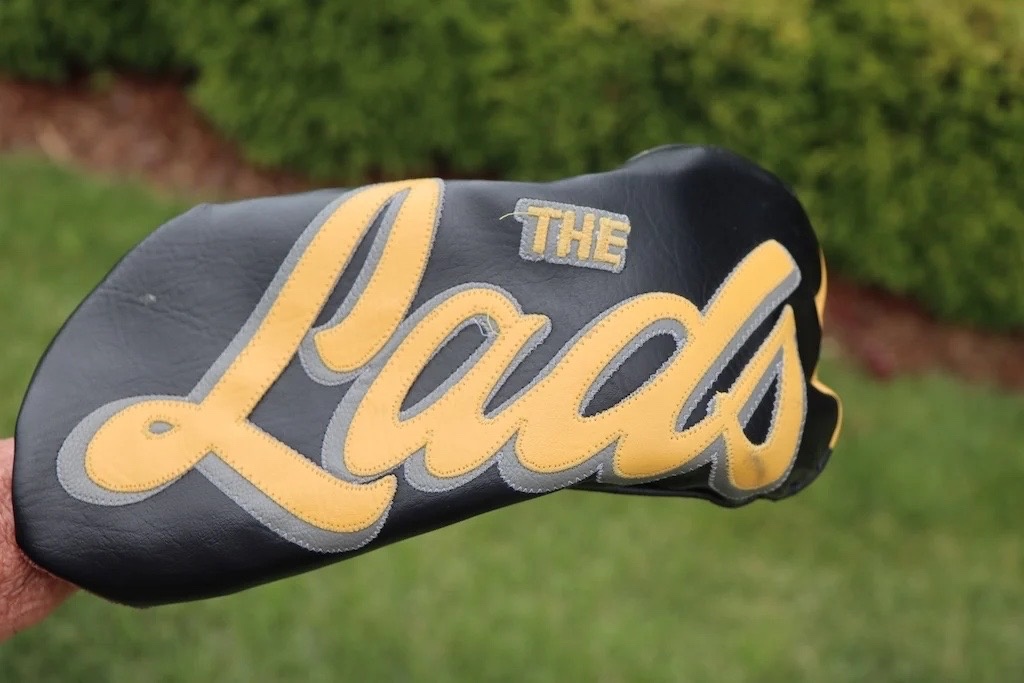
GolfWRX is on site this week at the Memorial Tournament, with both Alistair Cameron and Tour Photographer Greg Moore on the ground in Dublin, Ohio, where a strong field is assembled to pay homage to the Golden Bear.
In addition to WITB galleries, we’ve already been treated to an in-hand look at Tommy Fleetwood’s new TaylorMade Spider putters.
Check out links to all our photos below.
General Albums
WITB Albums
- Jason Day – WITB – 2026 The Memorial
- Chris Gotterup – WITB – 2026 The Memorial
- SungJae Im – WITB – 2026 The Memorial
Pullout Albums
- Jason Day’s 1off Payntr golf shoes – 2026 The Memorial
- JT Poston’s TaylorMade Spider – 2026 The Memorial
- Cameron putter – 2026 The Memorial
- Tommy Fleetwood’s TM Spider putters – 2026 The Memorial
- New Mitsubishi Chemical 1K Pro Orange shaft – 2026 The Memorial

Around the world, the golf wheel spun this final week in May of 2026. From New Jersey to Austria, with stops in Korea, Texas, and North Carolina (don’t let me route your next trip) the world’s finest put their golf games on display. There were three playoffs, some known commodities and some new talent. It was the sort of week that we hope to have at this point in the seasons. June and July afford double-digit major events, and perhaps, one of this week’s champions will use this success as a springboard to new heights. Time to run it all down, tech style, in this week’s Tour Tech Rundown.
Thanks to WITBHub, Today’s Golfer, GolfWRX, and Inside Tour Golf for initial research into equipment.
PGA Tour @ Charles Schwab Challenge: Heroic Henley denies Cole
Eric Cole did nearly everything that a fellow can do, to secure a first PGA Tour title. He stayed one shot clear of Ryder Cup player Ben Griffin. He kept US Open champion Gary Woodland and wunderkind Michael Brennan two shots distant. He posted 70 on day four to reach twelve under par. And then, Russell Henley revealed his Dr. Strange cloak. Henley made 47 feet of birdie putts on holes 16, 17, and 18, to jump from minus-nine to twelve-deep, and secured a spot in a playoff with Cole. The duo returned to the final tee, and put on a stripe show.
Both golfers found the fairway off the tee, and Henley improved on his regulation play with an approach to four feet. Cole did himself proud, tucking an iron to a dozen feet, but he was unable to convert the putt for three. Henley is one of the best putters on tour, and he proved it once more by draining a putt for a fourth consecutive birdie, and a sixth PGA Tour title. For Eric Cole, that first victory should come, and soon. He has done everything necessary to earn the chalice lift.
Henley’s Suitcase
- Driver: Titleist TSi3 at 10 degrees. Shaft: Project X HZRDUS Smoke Black 70g 6.5 TX
- Metal: Titleist TS3 at 16.5 degrees. Shaft: Project X HZRDUS Smoke Black 80 TX
- Hybrid: Titleist TSi2 at 21 degrees. Shaft: Mitsubishi MMT hybrid 100 TX
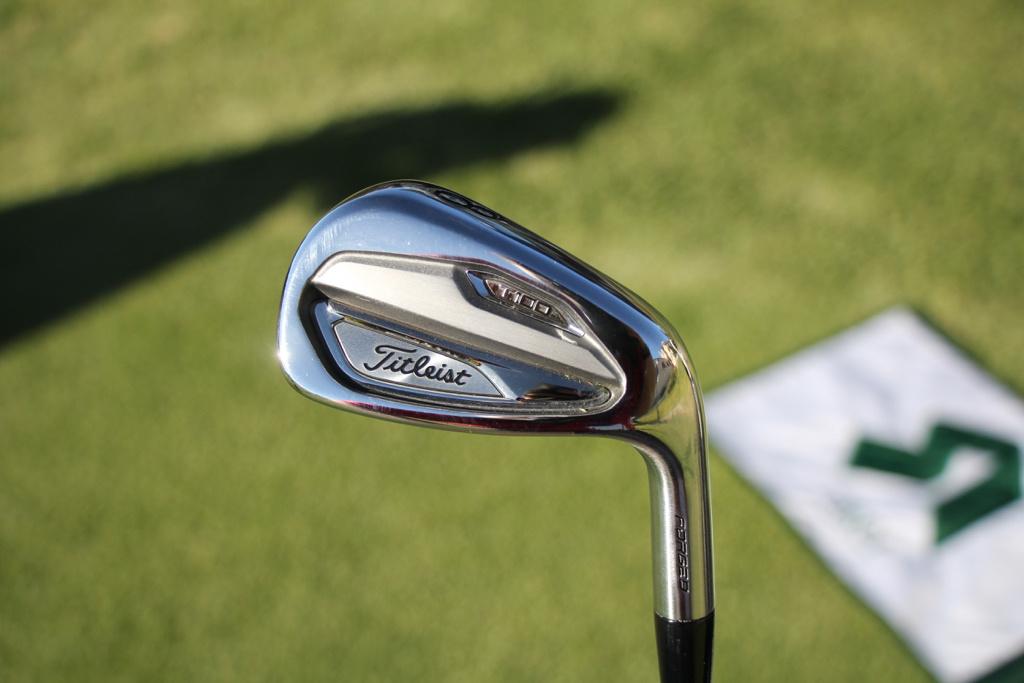
- Iron: Titleist T250 4-iron. Shaft: True Temper Dynamic Golf AMT Tour White X100
- Irons: Titleist T100 5-6 irons. Shaft: True Temper Dynamic Golf AMT Tour White X100
- Irons: Titleist T100 7-9 irons. Shaft: True Temper Dynamic Gold Tour Issue X100
- Wedges: Titleist Vokey Design SM11 at 48 and 50 degrees. Shaft: True Temper Dynamic Golf Tour Issue X100
- Wedges: Titleist Vokey Design SM11 at 54 and 60 degrees. Shaft: rue Temper Dynamic Golf Tour Issue S400
- Putter: Titleist Scotty Cameron T5 Tour Prototype
LPGA @ Shoprite LPGA: Welcome back, Celine!
Soo Bin Joo had her eyes on a maiden LPGA title. She held the lead after two rounds, then hit a red light at the intersection of can-I and how-To. Joo posted plus-two on day three in New Jersey, and dropped to a T4 finish, which was still a career-best for the young Korean golfer. Instead of a new face, a familiar face returned to the top of the podium.
Celine Boutier was the It Girl in 2023. She collected four victories, including a major title at Evian. Boutier reached world number one status, then simply faded into the background. No wins came her way over the next 30 months. On Sunday, she collected LPGA victory number seven, at the same trace as LPGA victory number two.
Day three saw Boutier manage the windswept Seaview Bay course with six birdies and a bogey. She was challenged in the end by Thailand’s Arpichaya Yubol, who signed for a 66 of her own. Yubol came up one shot shy of the top ladder rung. Finishing in third place at -7, two back of the winner, was Ireland’s Lauren Walsh.
Celine’s Suitcase
- Driver: PXG 0311 Black Ops Tour-1 at 9 degrees. Shaft: Graphite Design AD IZ-5
- Hybrid: PXG 0311 Black Ops at 19 and 22 degrees. Shaft: KBS Hybrid Prototype
- Hybrid: PXG 0311 Gen5.
- Iron: PXG 0311 P Gen 4 5-9 irons
- Wedge: PXG 0311 T Gen 4 PW
- Wedges: PXG 0311 Sugar Daddy II at 50, 54, 58 degrees
- Putter: Bettinardi Studio Stock 3 DASS
DP World Tour @ Austrian Alpine: KK? KK!
Kota Kaneko has a rhythmic name. It has strong vowels and a run of voiceless stops in its crunchy K sounds. On Sunday in Austria, Kaneko put a stop to a challenge from Portugal’s Ricardo Gouveia and everyone else, and claimed a first-ever title on the DP World Tour. Gouveia did well to reach 16-under par over four days, but Kaneko held firm, two shots in the clear.
Davis Bryant of the USA also forged a strong challenge for the win. He ended in a tie with Gouveia for second place. Kaneko began and finished his final round in a bit of a malaise, but he caught fire midway through. Birdies at 10, 12, and 13 provided the necessary cushion to cruise to the finish line without breaking a serious sweat.
Kaneko’s Suitcase
- Driver: Ping Max G440
- Metals: TaylorMade Qi4D at 15, 16.5, 21, and 24 degrees
- Irons: TaylorMade P760 5 and 6 irons
- Irons: TaylorMade P7TW 7-9 irons
- Wedges: Titleist Vokey Design at 46, 52, 56, and 60 degrees
- Putter: Odyssey Ai-One Cruiser Arm Lock #7
Korn Ferry Tour @ UNC Health Championship: Improbably Alvaro
Alvaro Ortiz may have had a bit of scare on the outward nine on Sunday, but he came through in clutch fashion in the end. Ortiz began the day bogey-double, and added another double bogey at the 11th hole. He was mired in a downward trend, spiraling away from the top of the leader’s board. Ortiz found hope at the 14th, where his first birdie of the day tumbled home. Inspired, he closed with birdies and 17 and 18 to catch Ross Steelman at 10-under par, and the duo returned to the 18th deck for overtime.
The extra session concluded in brief time. Ortiz, buoyed by his newly-retrieved confidence, hit the fairway with driver, then approached to six feet and drained the putt. Gobsmacked, Steelman could do little more than smile and applaud, as his run at the top came to a close. The victory was the first for Ortiz on the KFT, and will implant him squarely in the chase for a PGA Tour promotion.
Alvaro’s Suitcase
- Driver: Ping G430 MAX driver at 9 degrees loft
- Metal: Ping G430 MAX 3W
- Iron: Ping iDi Driving Iron
- Irons: Ping Blueprint S irons
- Wedges
- Putter: Scottsdale TR Piper C
A party on the green!
Alvaro’s time comes in Raleigh with his first win @UNCHealthChamp ? pic.twitter.com/2dmtZdbSzk
— Korn Ferry Tour (@KornFerryTour) May 31, 2026
LIV @ Korea: Me llamo Joaquin
Chile’s Joaquin Niemann had been away from the LIV winner’s circle throughout all of 2026. This week in Korea, he reminded us that he is still a force to consider. Niemann chased down Taylor Gooch over the closing holes at Asiad Country Club, then claimed victory with a hole-one birdie in extra time. Bryson DeChambeau claimed solo third, one shot in arrears at minus-eleven. Dustin Johnson finished on fourth, one putt farther back.
Niemann’s Suitcase
- Driver: Ping 440 LST
- Metal: Ping G440 Max at 15 degrees
- Metal: Ping G425 Max at 21 degrees
- Hybrid: Ping G430 at 25 degrees
- Irons: Ping Blueprint S 5 through PW
- Wedges: Ping S159 at 52, 56, and 60 degrees
- Putter: Ping PLD Anser

Driver: Titleist TSi3 (10 degrees)
Shaft: Project X HZRDUS Smoke Black 70 6.5 TX

3-wood: Titleist TS3 (16.5 degrees)
Shaft: Project X HZRDUS Smoke Black 80 TX

7-wood: Titleist GTS3 (21 degrees)
Shaft: Project X Denali Black 80 TX
Irons: Titleist T250 (4), Titleist T100 (5-9)
Shafts: True Temper Dynamic Gold AMT (4-6), True Temper Dynamic Gold Tour Issue S400 (7-9)


Wedges: Titleist Vokey Design SM11 (48-10F @47, 50-08F @51, 54-10S @55, 60-04T)
Shafts: True Temper Dynamic Gold Tour Issue X100 (48), S400 (47)

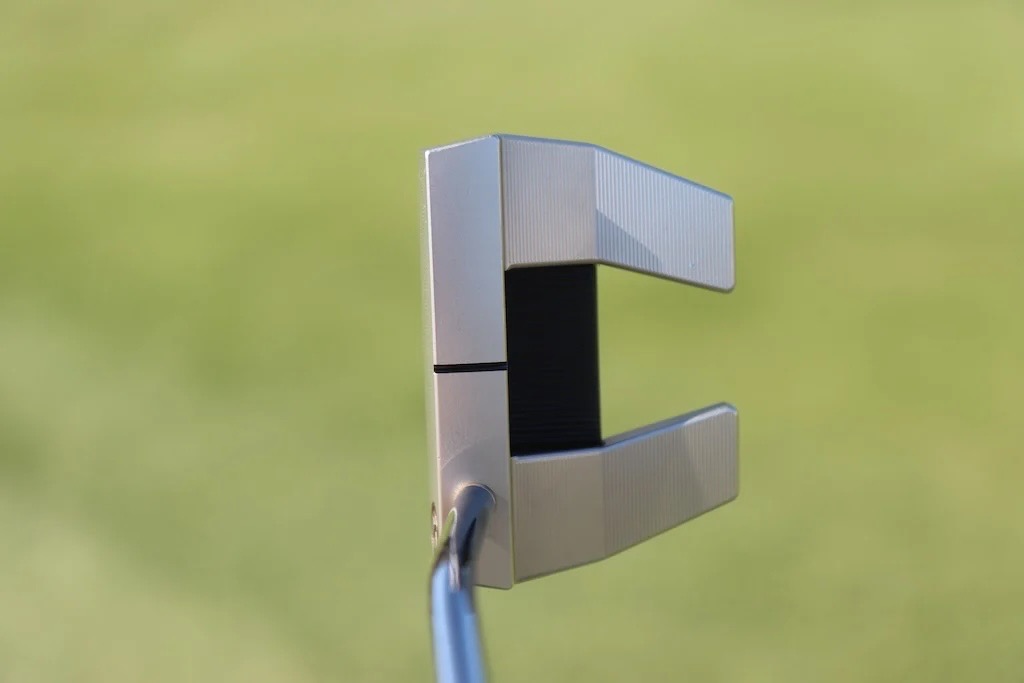
Putter: Scotty Cameron Phantom X5 Tour Prototype

Grips: Golf Pride Tour Velvet
Ball: Titleist Pro V1x

Aaron Rai’s winning WITB: 2026 PGA Championship

Russell Henley’s winning WITB: 2026 Charles Schwab Challenge

Photos from the 2026 CJ Cup Byron Nelson

CJ Cup Byron Nelson Tour Report: Koepka and Kim’s newest putters finally get hot

Charles Schwab Challenge Tour Report: MacIntyre, Åberg and Spaun all switch putters, TaylorMade launches new Spider

Details on J.J. Spaun’s surprise putter switch

GolfWRX Launch Report: 2026 Titleist GTS drivers

Photos from the 2026 Charles Schwab Challenge

PGA Championship Tour Report: Fitzpatrick, Koepka among big-name putter switches for Aronimink

Photos from the ShopRite LPGA


Maria Torres WITB 2026 (June)
Driver: Ping G440 LST (9 degrees) Shaft: Accra TourZ Green 5-M4 3-wood: Ping G440 Max (15 degrees) Shaft: Accra TourZ Green 6-M4 5-wood: Ping G440...


Eric Cole WITB 2026 (June)
Driver: PXG Lightning Tour Max (9 degrees) Shaft: Project X Titan Yellow 70 TX 3-wood: TaylorMade Qi4D (15 degrees) Shaft:...


Si Woo Kim WITB 2026 (May)
Driver: Callaway Quantum Triple Diamond (8.5 degrees) Shaft: Fujikura Ventus Black 6 X Mini driver: Callaway Paradym Ai Smoke Mini...


Wyndham Clark’s winning WITB: 2026 CJ Cup Byron Nelson
Driver: TaylorMade Qi4D (10.5 degrees) Shaft: Project X Titan Yellow 60 TX 3-wood: TaylorMade Qi4D Tour (15 degrees) Shaft: Project...


iye
Jul 18, 2018 at 10:06 pm
FBI/CIA/NSA…. planning elimination of POTUS…. believe it!
JMM
Jul 18, 2018 at 9:40 pm
Agree with Bad Putter, this sounds fantastic but the monthly subscription will box out most recreational golfers.
Bad Putter
Jul 18, 2018 at 8:08 am
Excellent interview and cool product. The fees do seem high and definitely a barrier to entry for a recreational golfer, but I hope have an instructor in my area that has one.
Neil Murphy
Jul 17, 2018 at 10:20 pm
Looks similar to the Ping putting app, for which, you had to put the iPhone in a cradle and attach it to the putter shaft. Data appears similar. I remember that the app was free and the cradle cost about $30.
James T
Jul 18, 2018 at 9:25 am
I remember that the app was free. And the duct tape was almost free, too. (Had to, there wasn’t a phone cradle to fit my phone at the time)
Ian Baker Finch
Jul 17, 2018 at 7:52 pm
Looks similar to data from a SAM device. Does it give recommendations on length/ lie angle?
robert
Jul 17, 2018 at 4:54 pm
Lol…… looks like a testacle for your petter.
James T
Jul 17, 2018 at 3:49 pm
So John used to work for Apple. All well and good. But when will this device and app be released on the more popular platform, Android?
alan
Jul 17, 2018 at 3:42 pm
Hallelujah!!! My putting woes are solved…. a Biomech Acculuck ACE putter and a sensor to tell me why I’m sooo baaaad on the greens. 😮